Animal Park / Botanical Garden in Haute-Corse
Discover Animal Park / Botanical Garden locations in Haute-Corse!
Animal Park & Botanical Garden in Haute-Corse
Haute-Corse is home to nature of rare richness, between fragrant maquis, laricio pine forests and protected wetlands. Animal parks and botanical gardens offer a different way to discover this island biodiversity, at a more peaceful pace than hiking or water sports. Whether you are looking for a family outing, an educational activity for children, or simply a moment of coolness during the intense summer heat, these places are suitable for a visit at any time during your stay. Here is our complete guide, area by area, to help you plan your discovery of the fauna and flora of Haute-Corse.
Our selection of Animal Parks / Botanical Gardens for Northern Corsica
Unfortunately no activity was found. Find more activities below!
The Different Parks
Other activities
Animal park / Botanical garden in Corsica
A unique natural heritage between Mediterranean fauna and flora
A mountainous island set in the heart of the Mediterranean, Corsica combines within a limited territory highly varied levels of vegetation: coastline, maquis, mid-altitude forests and peaks exceeding 2,000 metres. This diversity of environments explains the richness of its flora, which includes nearly 3,000 plant species, some of which are strictly endemic to the island. As for wildlife, certain species have become true emblems: the Corsican mouflon, the Hermann's tortoise, or domestic breeds shaped by centuries of island pastoralism, such as the Corsican horse, the Corsican donkey or the nustrale pig.
Some of these protected environments can be visited in the wild, such as the wetlands of the Agriates desert, where Hermann's tortoises and migratory birds nest. The animal parks and botanical gardens of Haute-Corse allow visitors to observe part of this fauna and flora in a landscaped setting, with educational panels and trails designed for all ages.
The botanical gardens of Haute-Corse: a journey into the heart of the maquis and Mediterranean flora
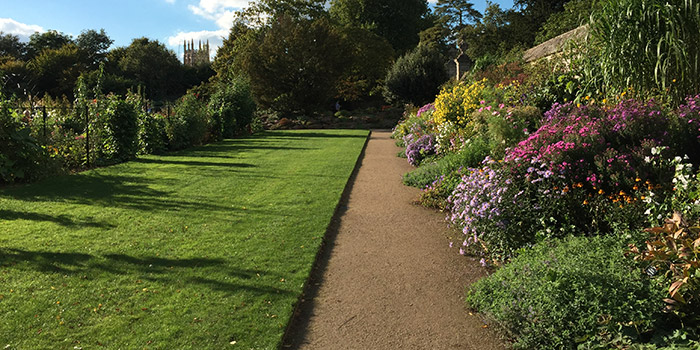
The botanical gardens found in Haute-Corse take very different forms depending on the site. Some are designed as conservation orchards, dedicated to preserving old fruit varieties specific to the island. Others combine botanical discovery with other forms of expression: craft workshops, exhibitions or simple play areas that allow children to enjoy the place while parents stroll among the Mediterranean species. There are also botanical trails in the open air, lined with explanatory panels on how plants adapt to the Mediterranean climate and their traditional uses.
Whatever the format, these gardens showcase the species that make up the Corsican landscape on a daily basis: holm oaks, olive trees sometimes centuries old, myrtle, rockrose and strawberry tree. A good complement to discovering Corsican cosmetics and essential oils, which use these same maquis plants.
Protected flora, between endemic species and maquis plants
With nearly 5% strictly endemic species, Corsican flora is considered a botanical heritage of global value. The best known is undoubtedly the immortelle (or murza), recognizable by its golden-yellow flowers, whose harvesting is now heavily regulated. The Restonica valley is among the most emblematic sites for observing this protected vegetation in its natural environment, as a complement to a visit to a landscaped botanical garden.
The animal parks of Haute-Corse: between local breeds and species from elsewhere
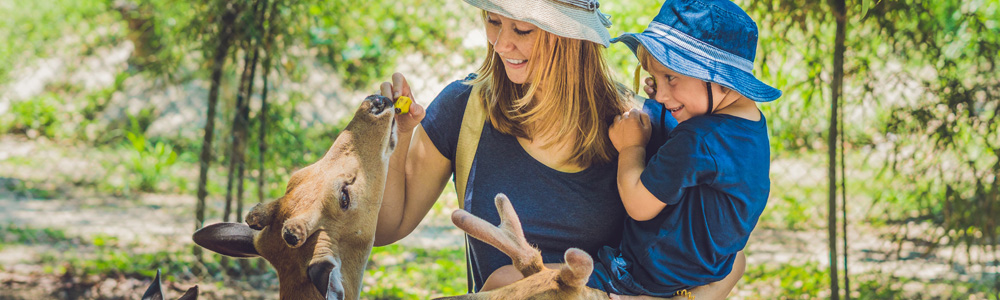
The animal parks on the island broadly fall into two main categories. The first highlights Corsican domestic breeds, shaped by centuries of extensive farming: donkeys, horses, nustrale pigs or goats, often presented in the spirit of an educational farm close to the island's traditional pastoral practices. The second category includes larger zoological parks, which host species from elsewhere (primates, exotic birds, marsupials…) alongside a mini-farm area, and sometimes develop a component dedicated to the protection of local wildlife.
For horse lovers, this theme naturally extends to horse riding in Haute-Corse, an activity that allows you to approach the Corsican horse other than by simple observation. Hikers who make it up to Lake Nino, at altitude, also have a good chance of encountering semi-wild Corsican horses by the water.
A family and educational outing, between discovery and relaxation
Animal parks and botanical gardens are among the easiest activities to organize with young children: generally marked trails, shaded paths appreciated during the hot hours, and a self-paced visit that adapts to everyone's stamina. Many offer educational activities or occasional workshops, particularly suited to raising the youngest visitors' awareness of island biodiversity in a fun way.
It is also a good option for varying the pleasures mid-stay, alternating with more physical activities such as treetop adventure courses, or for filling an uncertain-weather day without giving up on discovering the island.
When to visit an animal park or botanical garden in Haute-Corse?
Spring (from March to June) remains the most favorable period for botanical gardens: it is when the maquis is in its most spectacular bloom, with still-mild temperatures that make the visit pleasant even in the middle of the day. Animal parks, on the other hand, can be enjoyed over a wider period, but their opening hours vary significantly depending on the season: reduced time slots and sometimes weekend-only opening in low season (winter), full hours generally from spring through autumn.
In the height of summer, it is better to opt for morning visits, both for comfort (heat, crowds) and because some animals are naturally more active before the hottest hours of the day.
Our practical tips before setting off to explore
A few simple habits to make the most of your visit: bring comfortable shoes, water and sun protection (hat, cap), as most of the route is outdoors. Allow on average 1h30 to 2h30 for the visit depending on the size of the site. As opening hours vary greatly depending on the season, it is always advisable to check opening days and times before setting off, especially outside the peak tourist season.
Explore wildlife parks and botanical gardens by area of Haute-Corse
Each area of Haute-Corse has its own character when it comes to the fauna and flora to discover. Find our detailed selection for each of the four regions below:
- Bastia / Cap Corse: between the town and the tip of the Cap, this area combines ornamental gardens near the coast with the dense maquis typical of the peninsula.
- Balagne: a rolling hinterland where traditional orchards and fruit gardens sit alongside olive-growing hills, just a few kilometres from the beaches.
- Central Corsica: the mountainous heart of the island, ideal for parks that focus on preserved nature and more unusual species, in connection with the surrounding forest and waterways.
- East Coast: the island's great agricultural plain, dotted with ponds and wetlands, which offers the space needed for the largest sites.
Combine with other activities in Haute-Corse
Discovering Corsican fauna and flora can easily be combined with other activities during your stay: hikes in Haute-Corse allow you to observe these same species in their natural environment, while a stop in one of the typical villages of the island rounds off a day focused on nature and heritage. For a broader overview of family activities available on the island, the article by Corsica Camping on the must-dos for children in Corsica offers other ideas to combine with your stay. Near Bastia, the Biguglia pond, a nature reserve rich in fauna and flora, is also a great complementary nature outing.
Find all the activities available on our Haute-Corse activities page.