Scenic Flight / Microlight on the East Coast
Discover Scenic Flights / Microlight flights on the East Coast!
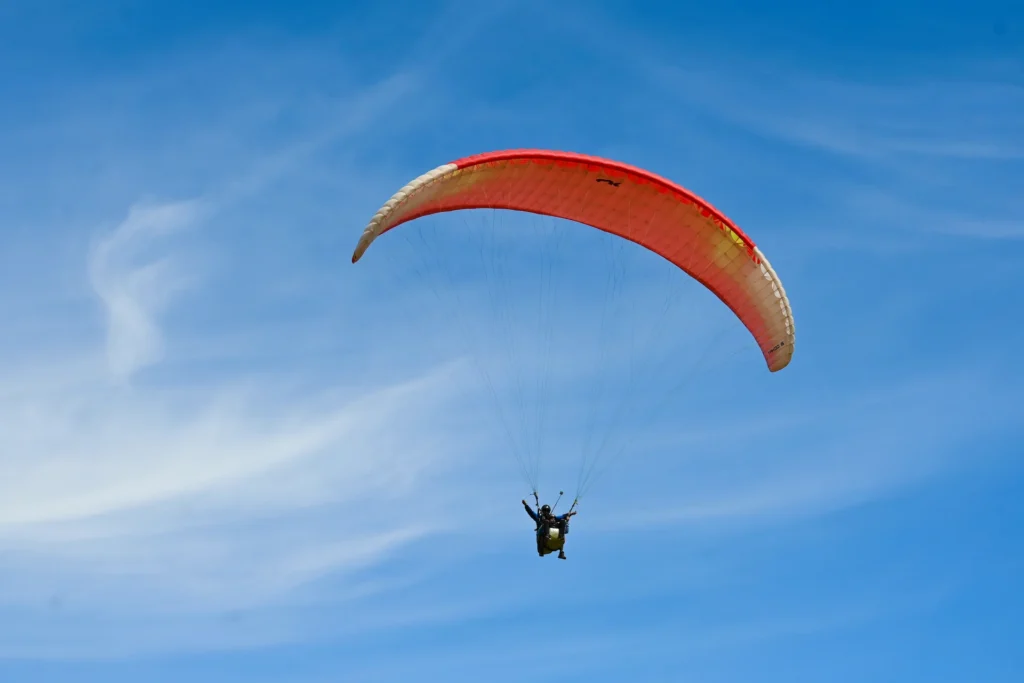
Microlight over the East Coast: lagoons, long beaches and Castagniccia seen from the sky
Between Bastia and Aléria, Corsica unfolds a long, flat, golden and luminous strip of land facing the Tyrrhenian Sea and Italy. This is the East Coast, a gentler and more open landscape than that of Cap Corse or Balagne, with its fine sandy beaches stretching for kilometres, its shimmering lagoons and, far in the background, the green line of the Castagniccia mountains. Seen from a microlight, this geography of parallel bands (sea, beach, plain, hills, ridges) is almost textbook-clear, and quietly beautiful.
Our selection of Scenic Flights / Microlight flights for the East Coast
Unfortunately no activities were found. Find more activities further down!
Scenic flight and microlight in Corsica
Other activities
Scenic flight and microlight professionals in Haute-Corse

The best campsites near the East Coast


A landscape in bands, readable at a single glance
What makes flying over the east coast so distinctive is its layered structure. From the sky, you first see the sea, a deeper blue than on the west coast, then a ribbon of sand, then the cultivated plain lined with orchards, vineyards and citrus groves, then the wooded foothills rising towards the interior. These layers read flat and unobstructed, which makes flights particularly peaceful.
Another advantage: this coast is sheltered from the libecciu, the prevailing westerly wind, which often gives it more stable flying conditions when the other side of the island is windy.
What you fly over: lagoons, beaches and villages
Depending on the option you choose, a flight over the East Coast may reveal:
- the lagoons, in particular the Biguglia lagoon, the largest in Corsica, south of Bastia, then the Diane and Urbino lagoons further south, with their calm waters and highly graphic shapes;
- the long beaches of the Costa Verde, around Moriani-Plage, which also feature in our list of the most beautiful beaches in Haute-Corse;
- the hilltop villages of the Castagniccia, such as Cervione and Penta-di-Casinca, nestled in their chestnut forests;
- the rivers flowing down from the mountains and tracing pale deltas into the sea;
- the islands of the Tuscan archipelago, which can be made out on the horizon on clear days.
From the sky, the ponds surprise with their shifting colours: green, silvery, sometimes milky depending on the depth, the light and the presence of sediment.
The ponds, the plain's discreet jewels
The ponds of the east coast are lagoons cut off from the sea by thin strips of sand. They serve as a refuge for many waterbirds, and some are home to fishing and shellfish farming. Seen from above, their network of canals, channels and reed beds forms a remarkably delicate pattern, very different from the open sea.
Pilots respect the sensitive areas for wildlife, especially during nesting and migration periods, and may adjust their altitude or route. That is also why no two flights are ever quite the same.
Ideal terrain for beginners
The east coast is probably the most welcoming area for a first experience in an ultralight. The terrain is gentle, the plain offers little turbulence and flights are often smoother than on exposed coasts. Landmarks are also easier to follow: the sea on one side, the mountains on the other, and in between, beaches you can identify without any effort.
This profile suits slightly nervous passengers particularly well, who prefer to take things gradually. For a first flight, a short 15- to 20-minute session is often enough to enjoy the scenery and get a feel for the experience.
Wind on the east coast: levante and sirocco
If the east coast is sheltered from the westerly wind, it has its own weather patterns. The levante, an easterly wind, comes in from the sea and can make the air humid and choppier. The sirocco, hot and laden with moisture, often blurs visibility and brings a haze that can feel heavy in summer.
The most favourable days are those with dry air and clear skies, with a light breeze, typically early in the morning. At that hour, the sea is smooth, the ponds turn to mirrors, and the light on the water is exceptional.
When to fly on the east coast?
Late summer and early autumn are often ideal: warm sea, stable skies, golden light at the end of the day. Spring is also a lovely season, with a very green plain and mountains still streaked with snow in the distance. In the height of summer, mornings are the most pleasant, before the heat and haze settle over the plain.
Another asset of the east coast: sunrise over the sea. For photography lovers, an early-morning flight offers low-angled light over the plain and the villages, hard to find elsewhere on the island.
Making a flight part of a family holiday
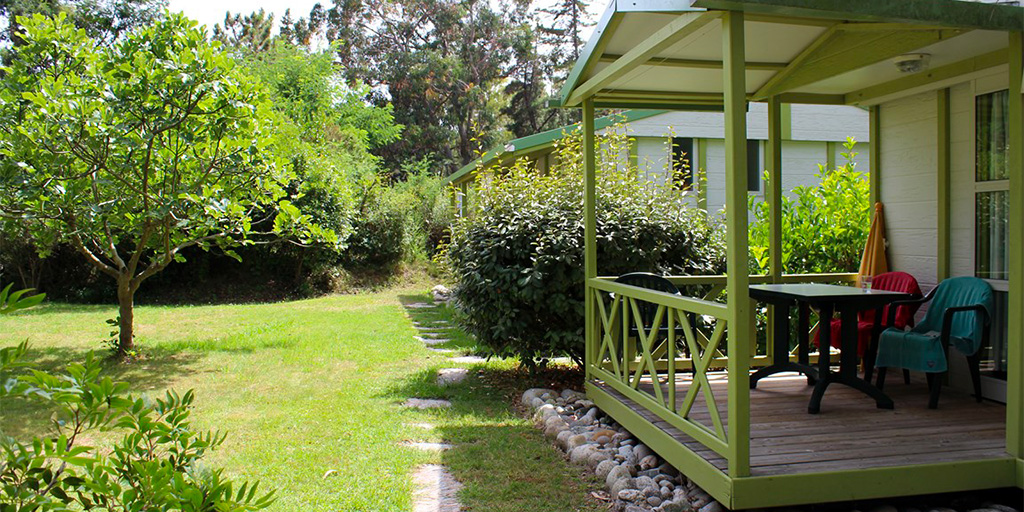
The eastern plain is a family destination par excellence, with long, safe beaches and very well-organised campsites. An ultralight flight fits in easily: one parent takes off while the rest of the family enjoys the beach, then you swap. To plan your stay, you can compare the campsites in Moriani and Bravone or the campsites in Ghisonaccia, which make practical bases for exploring the whole coast.
Other activities to combine with a flight
After the sky, dive into the water: diving on the East Coast introduces you to the underwater world of this coastline, with its shipwrecks and sandy seabeds. For thrill-seekers, flyboarding on the East Coast extends the sensation of flight across the water's surface. Quieter, horse riding lets you explore the plain at a relaxed pace, while quad biking offers a more energetic way to discover the hinterland. Finally, to continue exploring the Castagniccia, the article on the village of Campile is a great idea for an outing.