Climbing in Haute-Corse
Discover the places to go Climbing in Haute-Corse!
The Climbing activity in Haute-Corse
Haute-Corse offers a vertical playground worthy of its reputation as a mountain in the sea: Niolu granite, Cap Corse schist, the foothills of Balagne and Castagniccia form a mosaic of rock where climbing can be practised both on multi-pitch routes and as an introduction on equipped sites. From a base camp by the sea, it often takes less than an hour’s drive to reach a cliff or a practice crag, making the island a particularly accessible destination for combining relaxation and days of climbing.
The terrain of Haute-Corse is organised into four main areas, each with its own rocky atmosphere and climbing conditions. The choice of area depends above all on the type of experience you are looking for: multi-pitch routes in mid-mountain terrain, family-friendly introduction, or climbing just a stone’s throw from the beaches.
Our selection of Climbing activities for Northern Corsica

AS Niolu
AS Niolu Mountain Activities in Corsica: Canyoning, Hiking, Skiing, Climbing and Mountaineering 📍 Albertacce, Central…
Discover the activityClimbing
Other activities

Climbing areas by region
Climbing Bastia / Cap Corse: the Cap Corse peninsula features rugged terrain of schist and green rocks, between coastal cliffs and the ridges of Monte Stello. The sites are accessible from the coastal road, with short approaches and simultaneous panoramas over the two seas that border the tip of the island.
Climbing Balagne: at the gates of Calvi, the Bonifatu forest and the Monte Cinto massif, the highest point in Corsica, offer quality granite at the foot of hilltop villages such as Sant'Antonino or Pigna. An area that combines a mountain atmosphere with immediate proximity to the coast.
Climbing Central Corsica: the Niolu and the Scala di Santa Regina gorge, between Corte and Calacuccia, are home to one of the island's most renowned climbing areas, on highly prized granite, with the Restonica and Asco valleys nearby to cool off after the effort.
Climbing East Coast: between the agricultural plain of the Costa Verde and the first foothills of the Castagniccia and Fiumorbu, climbing here is designed primarily for beginners and families, with progressive routes accessible from a very young age.
A varied terrain, from the school site to multi-pitch routes
The island's geological diversity is directly reflected in the variety of climbing styles available. Granite, dominant in the interior and in Balagne, offers compact and grippy rock, particularly appreciated for cracks and slabs. The schist of Cap Corse, more crumbly in places, lends itself more to short routes at school sites or supervised discovery sessions. On the East Coast, the absence of major natural relief along the coastline has given rise to a different offering, more structured and progressive, ideal for a first contact with the discipline. This diversity makes it possible to find a suitable site whatever your level, from your first contact with the wall to multi-pitch routes of several lengths.
How climbing is practised in Haute-Corse
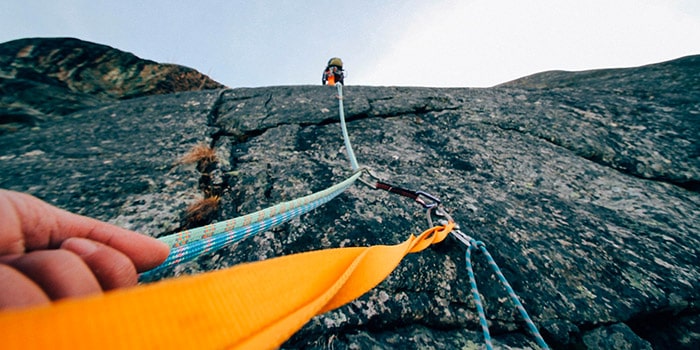
Climbing independently requires good knowledge of the terrain and equipment: many visitors prefer to go through professional supervision, particularly for a first experience or to discover an area they don't know. The certified instructors on the island offer outings suitable for all levels, from family climbing introductions to opening more committing routes, with technical equipment (harness, helmet, climbing shoes, ropes) generally provided for supervised outings.
For independent climbing, it's better to arrive with your own equipment and check locally on the condition of the routes, as some more isolated areas are less regularly maintained than the most frequented sites. A good supply of water, effective sun protection and particular attention to mountain weather, which can change rapidly during the day, complete the basic precautions to take before setting off.
Choosing the right area for your profile
For a family looking for a first introduction without much logistics, the East Coast and Cap Corse offer short approaches and supervised packages calibrated for beginners. Climbers looking for committing multi-pitch routes on renowned granite will turn instead to Central Corsica and the Niolu area, or to Balagne and the Monte Cinto massif. For a stay that combines mountain and seaside in the same day, Cap Corse and Balagne remain the most practical areas, with climbing sites just minutes from the coast.
When to climb in Haute-Corse
The season generally runs from spring to autumn. Spring (April to June) and autumn (September-October) offer ideal temperatures for exertion, particularly on south-facing areas. In the height of summer, the heat tends to favour shaded faces or morning slots, as well as the higher-altitude sites of Central Corsica, which are cooler. Winter remains practicable on the coast on fine days, particularly on the East Coast and the sheltered side of Cap Corse, but conditions there are more unpredictable, and snow can temporarily close the highest areas of Central Corsica and Balagne.
Combining climbing with other activities
L'escalade se marie naturellement avec les autres activités de pleine nature du réseau : la randonnée, le canyoning et la via ferrata partagent souvent les mêmes massifs et les mêmes points de départ. De quoi construire un séjour actif complet, en alternant les disciplines selon la météo et l'envie du jour, tout en profitant des campings du réseau Corsica Camping comme camp de base.