Corsica is a land of spectacular terrain where mountains, cliffs, and steep valleys create the perfect setting for outdoor activities. Among these, via ferrata is becoming increasingly popular with thrill-seekers looking to experience the mountains in a new way. Combining high-altitude hiking, rocky sections, suspension bridges, and breathtaking panoramic views, this activity offers an immersive experience in the heart of Corsica’s landscapes.
Via ferrata is a sport that combines elements of hiking and rock climbing, making it an ideal way to explore the activity in a safe and gradual manner. Accessible to beginners, it appeals to both experienced climbers and those looking to try via ferrata for the first time under the guidance of an instructor.
Available at various difficulty levels, via ferrata appeals to both beginners and adventure enthusiasts. However, before setting out on a via ferrata along the rock faces of the Bavella Massif or the trails of Southern Corsica, it’s important to ask yourself some key questions to ensure you can enjoy the activity under the best conditions and practice via ferrata safely.
What exactly is a via ferrata?
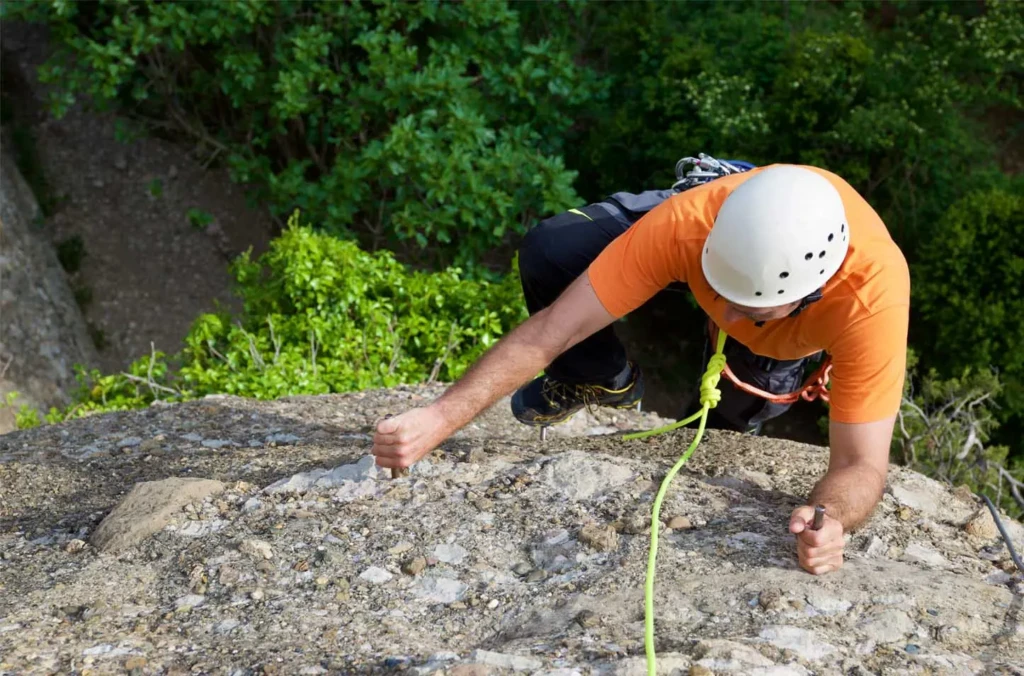
An activity that’s a cross between hiking and rock climbing
A via ferrata is a route set up on a rock face using cables, ladders, footbridges, and anchor points to allow climbers to proceed safely along the via ferrata. Carabiners and a safety line ensure that you remain secured at all times to minimize the impact of a fall.
Unlike traditional rock climbing, you don’t need to master advanced techniques to get started on a via ferrata. This activity combines physical exertion, dealing with heights, and mountain climbing. It’s ideal for your first via ferrata or for beginners who want to experience the thrill of climbing vertical surfaces.
An accessible, supervised sports activity
Via ferrata is a sport that involves guided, step-by-step progression. Modern via ferratas are often equipped to protect against falling rocks and ensure maximum safety thanks to carabiners that are permanently connected to the lifeline.
Some routes are very popular in France, particularly in Savoie and around Lake Bourget, but Corsica also offers spectacular and more rugged routes, often in the heart of nature.
Why are via ferratas so popular in Corsica?
Spectacular routes between the sea and the mountains
In Corsica, the natural terrain offers a particularly spectacular setting for this sport. The routes wind through granite cliffs, rocky ridges, and panoramic vistas overlooking the sea or mountain valleys.
The island’s untamed beauty enhances the immersive experience. Between the Bavella Massif, Corsican forests, and breathtaking landscapes, every trail becomes a true adventure, offering stunning views of the Corsican mountains and a sense of total freedom.
A comprehensive and progressive outdoor experience
Via ferrata in Corsica allows you to gradually get the hang of it, without feeling too nervous, as long as you choose a suitable route. This activity is attracting more and more participants who want to experience the thrill of climbing in an exceptional natural setting.
While there are some urban or semi-urban via ferratas elsewhere in France, in Corsica the experience is completely immersive and much more rugged.
Do you have to be athletic to try via ferrata?
An activity accessible to motivated beginners
Contrary to popular belief, you don’t have to be a seasoned athlete to try a via ferrata. Some of the introductory routes are designed to be easy to tackle and are ideal for a gradual introduction to the sport.
However, being in good physical condition is still recommended, as the activity involves walking, climbing, and dealing with heights for several hours. The main goal is to avoid difficult sections at the beginning so you can fully enjoy the experience. If you’re looking for activities to do with children in Upper Corsica, consider a different sport that’s safer and easier.
Adjusting Your Level and Progress
Before setting out, it’s essential to assess the route’s difficulty level, your comfort with heights, and your stamina. Professional guides accompany participants to help them avoid mistakes and ensure they progress at an appropriate pace on the via ferrata.
This allows you to explore the via ferrata gradually, without putting yourself in unnecessary danger, while enjoying a safe and rewarding experience.
What gear should you bring for a via ferrata in Corsica?
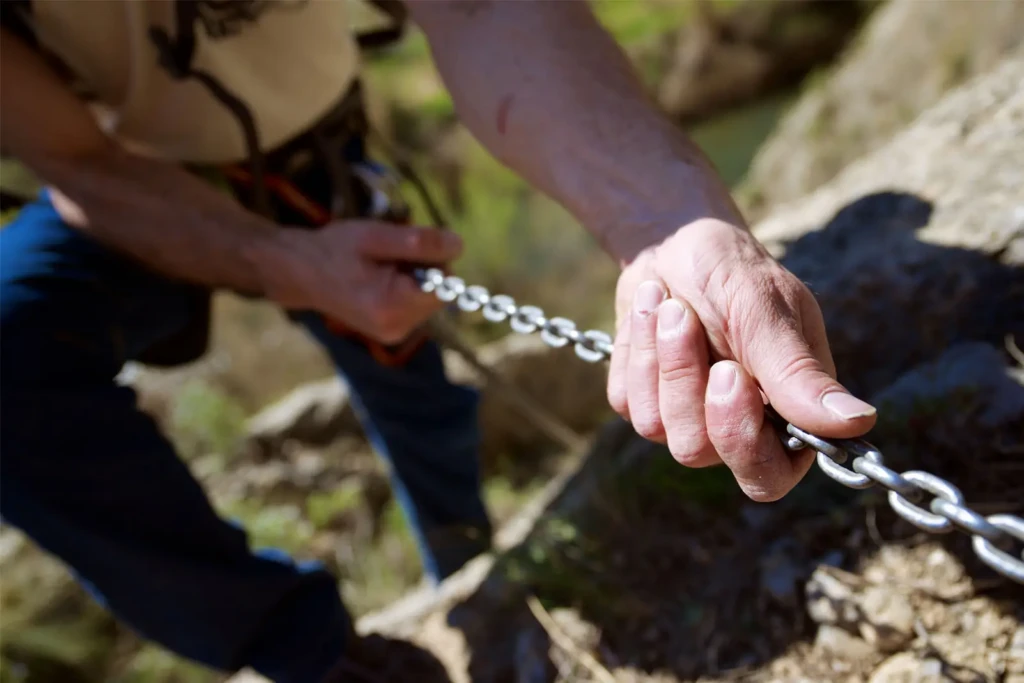
Essential safety gear
Climbing a via ferrata requires specific equipment to ensure safety. The equipment includes:
- a helmet to protect against falling rocks;
- a harness;
- lanyards with energy absorbers;
- safety carabiners.
These components ensure that you remain connected to the lifeline at all times and help reduce the impact of a fall in the event of a mistake.
Fit and Comfort During Exercise
To make good progress on a via ferrata, it’s essential to wear appropriate clothing and shoes with good traction. This helps prevent slipping on rock faces and improves overall comfort.
In the summer, it’s recommended to bring water, sunscreen, and breathable clothing to cope with Corsican temperatures.
What are the best places to go via ferrata in Corsica?
The Bavella Massif: an iconic site
The Bavella Massif is one of the most renowned spots for via ferrata in Corsica. Its impressive terrain offers an ideal setting for a first via ferrata experience or for more challenging routes.
The routes alternate between suspension bridges, high-altitude sections, and rocky crossings, all set against an exceptional natural backdrop that attracts many climbers every year.
A variety of trails throughout the island
There are other areas in Upper Corsica where you can also experience via ferrata in a variety of settings. Some routes are very popular, while others are less well-known and more technical.
This diversity allows you to get started on via ferrata routes under suitable conditions, while exploring different landscapes ranging from the sea to the mountains.
Can you do a via ferrata with a guide?
The perfect way to go for a first-time experience
For beginners on a via ferrata, going with a guide is highly recommended. The guide will explain how to use carabiners, manage your progress, and move safely along the lifeline.
This type of guided tour is ideal for a first via ferrata experience, especially for those who want to explore the route without stress.
An educational and immersive experience
Guides also help you better understand the rock faces, the local geology, and the unique features of the terrain. This greatly enriches the experience and makes each outing more immersive.
When is the best time to go via ferrata in Corsica?
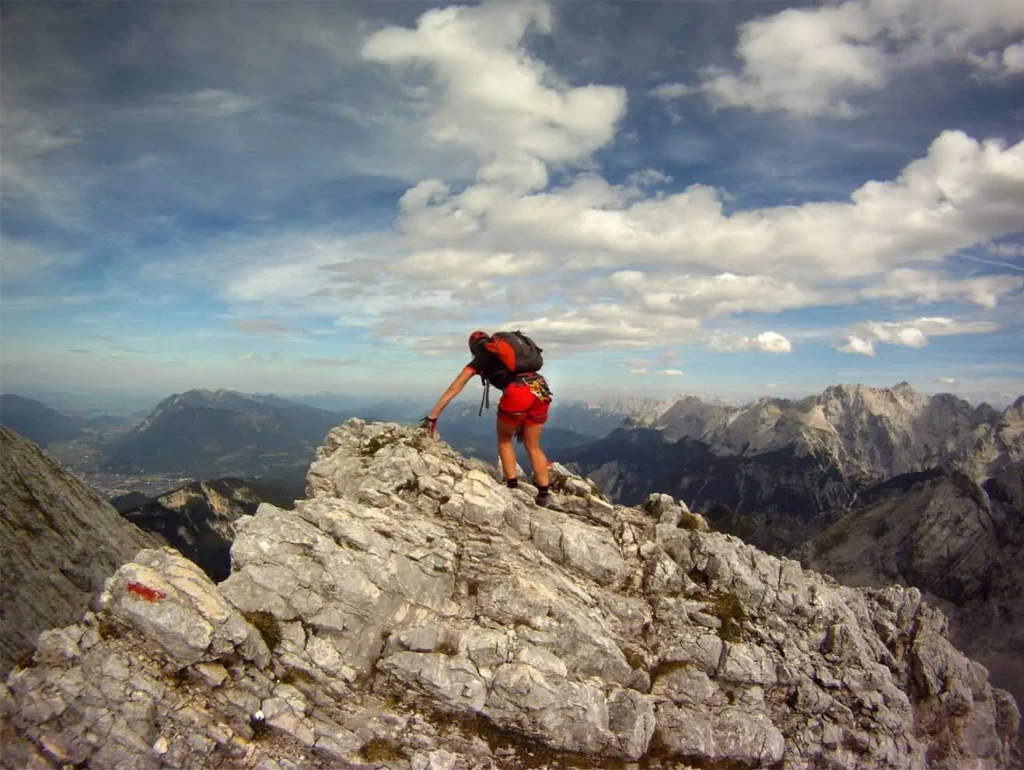
The Best Seasons to Get Started
Spring and fall are the best times to start via ferrata in Corsica. Conditions are more stable, and the weather is more pleasant for your first outings.
These seasons also allow you to avoid the intense heat, which can make certain via ferratas more challenging.
Summer and High-Altitude Routes
In summer, it’s best to choose high-altitude or shaded routes. Some trails offer welcome coolness despite the high temperatures, especially in northern Corsica.
This allows you to explore Upper Corsica in good conditions while enjoying the Corsican landscapes.
A Spectacular Adventure to Discover the Via Ferrata
Getting started with via ferrata in Corsica offers a unique experience that combines high-altitude hiking, via ferrata climbing, and exploration of rock faces. It’s an ideal activity for both beginners and experienced climbers.
With the right gear, reliable carabiners, proper preparation, and professional guidance, you can safely explore via ferrata and fully enjoy this sport.
From the Bavella Massif to the cliffs of Corsica and breathtaking panoramic views, every route becomes a memorable experience.
FAQ
Is via ferrata suitable for beginners?
Yes, via ferrata is an activity suitable for beginners, provided you choose an appropriate difficulty level. Some routes are specifically designed for first-time participants.
Do you need a guide to do a via ferrata?
A guide isn’t required but is strongly recommended for your first via ferrata so you can learn the basics of safety and how to use carabiners correctly.
What’s the difference between rock climbing and via ferrata?
Via ferrata uses a safety line and fixed equipment, while rock climbing requires more technical skill and self-reliance on rock faces.
At what age can you start doing via ferrata?
Depending on the route, via ferrata can be done as young as 10 to 12 years old, provided the child is in good physical condition and has appropriate supervision.
Is via ferrata dangerous?
It remains a sport that carries risks, but when properly supervised and with the right equipment, it significantly reduces those risks and allows you to participate safely.