Paragliding on the East Coast
Discover paragliding activities on the East Coast!
Paragliding on the East Coast: Cervione thermals and the Costa Verde plain
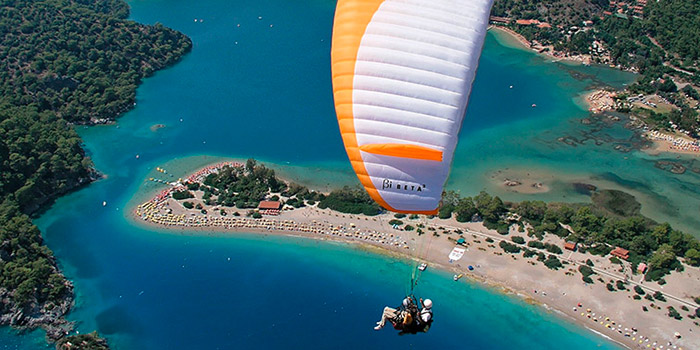
When the libecciu blows over the west of the island, the East Coast often remains a pilot’s best plan B. Sheltered by the mountains, it unfolds an agricultural plain of vineyards, citrus groves and beaches, bordered to the west by the first foothills of the Castagniccia. Seen from the sky, the Costa Verde looks like a relief map: wooded hills tumbling down to a calm sea and a long stretch of sand.
Our selection of paragliding activities for the East Coast
Unfortunately no activities were found. Find more activities below!
Paragliding in Corsica
Other activities
Paragliding professionals in Haute-Corse
The best campsites near the East Coast


When the west is closed, the east flies
This is one of the major advantages of this area. The libecciu, a south-westerly wind, is the main reason flights are cancelled at many sites on the island. But the slopes of the Castagniccia, facing east, are sheltered from westerly winds: a site like Cervione keeps flying when western take-off sites are closed, even with a westerly wind forecast up to around 50 km/h.
This shelter has a downside: when the north wind blows, the sites in this area are closed. For visitors, this gives a simple rule: the day's weather decides which side of the island you fly on, and having two or three days of margin in your stay greatly increases the chances of taking off.
Cervione and Castagniccia: a mountain take-off facing the sea
The village of Cervione, about 50 km south of Bastia, is the anchor point of the area. It rises to about 350 m above sea level and descends to Prunete beach. Above, the mountain offers high-altitude take-offs:
- A take-off at about 750 m altitude, facing east, northeast and southeast, with about 600 m of vertical drop to the landing site.
- A second take-off at about 800 m, facing southeast to southwest, with about 650 m of vertical drop.
- Generous thermals from late morning, allowing cross-country flights for confirmed autonomous pilots.
These take-offs are technical sites: flying starts from 10-11 am, when thermals are established, and they are reserved for experienced autonomous pilots. For a passenger, this changes nothing: they don't handle the wing or the weather, everything is managed by the professional pilot. To extend on the ground, the village of Cervione is worth a detour for its 16th-century Franciscan convent and its Saint-Erasmus cathedral, one of the first baroque churches on the island.
The Costa Verde from the sky: plain, vineyards and citrus groves
As soon as you gain altitude, the eastern plain reveals itself: a checkerboard of vineyards and citrus groves, bordered by long stretches of sand. The sea here is often calmer than on the west, with long, wide beaches between Moriani and Ghisonaccia.
This plain is also the heart of local production: citrus fruits, wines from the eastern coast and regional products. The page of producers of Haute-Corse helps you spot those along the Costa Verde route, and the most beautiful beaches of Haute-Corse, including Moriani-Plage, offer a swimming break after the flight.
Castagniccia, behind the ridges
West of Cervione, Castagniccia spreads its chestnut forests, stone villages and waterfalls. It is a land of hiking and small roads, contrasting with the nearby coastline. From the sky, its valleys form a green labyrinth, carved by torrents.
The most beautiful waterfalls in the area, including the Ucelluline, Struccia and Bughja waterfalls, can be reached on hikes from the coast, and the hiking on the Eastern Coast allows you to connect villages via ridge trails.
Why do flights tend to start from 10 or 11 a.m.?
On east-facing slopes, the morning sun gradually warms the hillsides, and it is only after a few hours that thermals really establish themselves. This is why the Cervione sites are mainly used in the late morning and afternoon by independent pilots, while discovery flights tend to favour the early hours of the day, when the air is calmer. This logic applies along the entire coast: the further into the day you go, the more active the air becomes.
For a stay on the Costa Verde, this makes it easy to plan: an early morning flight, then a day at the beach, hiking or sightseeing without stress. Cervione is about 50 km from Bastia, and the coastal villages are within about half an hour's drive, which leaves room to fit in a flexible time slot.
First flight: what to know before booking
A tandem discovery flight is a flight in a two-seater with a state-certified pilot. Here are the essentials to plan for:
- A flight generally lasts between 10 and 30 minutes, plus equipment, briefing and transport to the take-off site.
- The minimum age is about 5 years, and the maximum weight is between 25 and 110 kg depending on the equipment.
- Bring closed shoes, long trousers, a windproof jacket and sunglasses.
- Mornings, between 8 and 11 a.m., are calmer and better suited to first flights. In the afternoon, thermals are more active.
As everywhere on the island, flying depends on the wind: it may be brought forward, postponed or cancelled. It is best to book a few days in advance, keeping some flexibility on the time.
When to go flying on the East Coast
The season runs from April to October. May-June and September-October offer the most pleasant conditions: moderate thermals, fewer people, and the sea already warm. July-August brings strong afternoon thermals: mornings are then preferable. Outside the season, some sites remain flyable, but the weather is much more variable.
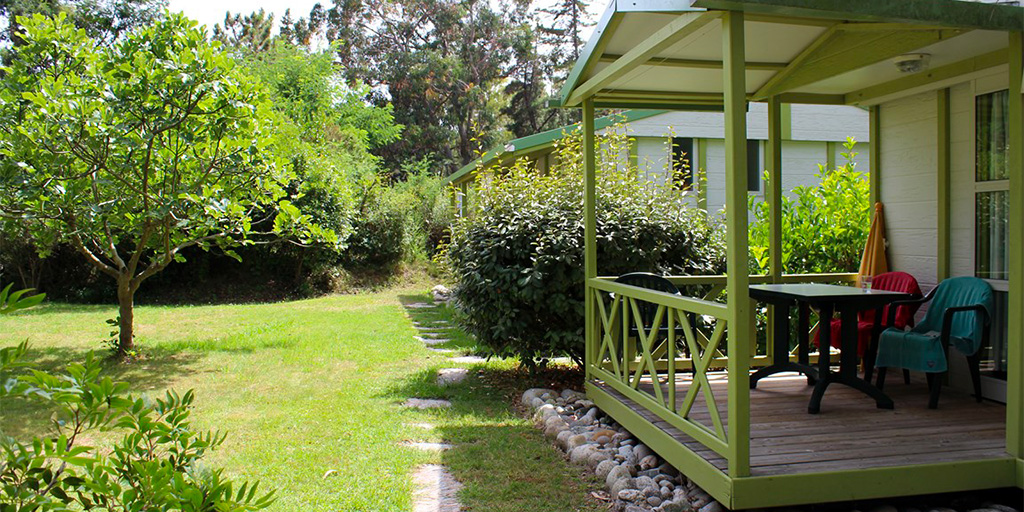
To stay in the area, the campsites in Moriani and Bravone are at the heart of the Costa Verde, while the campsites in Ghisonaccia are well suited for exploring the south of the area.
Other activities to combine with paragliding
The East Coast lends itself to varied days combining air, sea and nature. Climbing on the East Coast offers an introduction between plain and hill, and diving on the East Coast lets you explore the seabed off Moriani-Plage.