The Centuri Village
The village of Centuri: a maritime jewel and pearl of Cap Corse
Located at the northwestern tip of the Cap Corse peninsula, Centuri presents itself as a characterful stopover, where time seems to have stopped in rhythm with the tides. This village, famous for its picturesque marina and colorful facades, offers visitors an authentic immersion between sea and mountain. In this article, I will guide you to discover this haven of peace, addressing its geographical specifics, its economic importance related to fishing, and the best practices for a respectful visit to this fragile territory.
What is the port of Centuri?
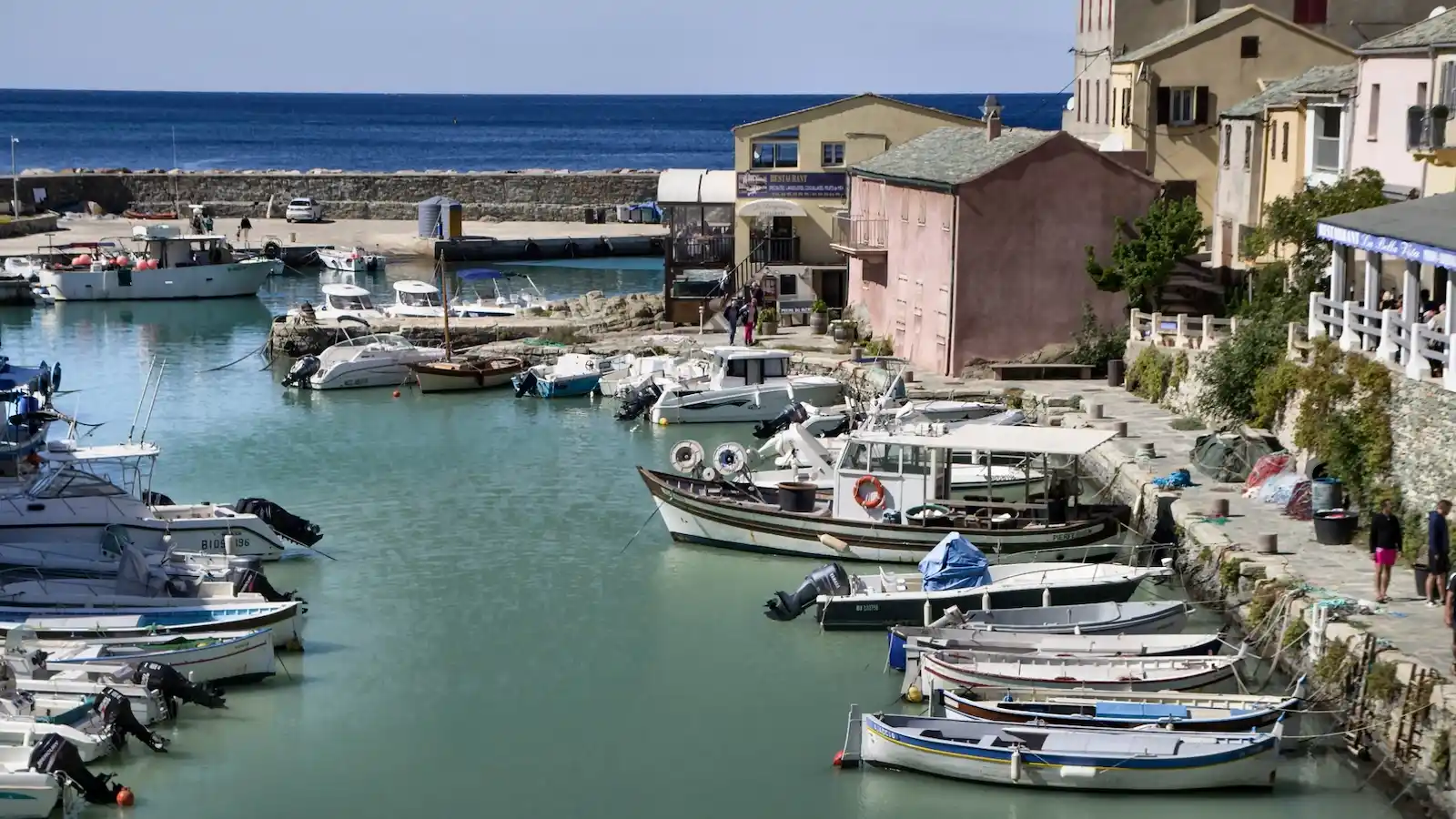
Centuri is primarily a municipality made up of several hamlets, but its fame rests on its ” Marine “. It is the first lobster fishing port in France, a distinction that highlights the importance of local artisanal activity. The port is characterized by its stone breakwaters protecting a fleet of colorful boats, the pointus, and by its houses with green or gray slate roofs, typical of Cap Corse architecture.
Why is Centuri an unmissable stop?
The interest of Centuri lies in its perfect balance between historical heritage and gastronomic dynamism. Besides its title as the capital of lobster, the village reflects a past linked to Mediterranean maritime trade. It is a place where Corsican identity is expressed strongly, far from the hustle and bustle of large seaside resorts, offering a quality of light and a serenity particularly appreciated by photographers and lovers of wild nature.
Where is Centuri located and how to access it?
The village is located on the western coast of Cap Corse, about 50 kilometers north of Bastia. To access it, you should take the departmental road D80, which winds along the coast. Note that the road is winding and requires careful driving, especially when descending to the marina from the col de Sainte-Lucie. Remember to descend via the West coast of Corsica to pass through Patrimonio (a small wine stop is a must!) but also to Saint-Florent.
| Means of transport | Estimated time from Bastia | Observation |
|---|---|---|
| Car / Motorcycle | 1h15 to 1h30 | Winding road, exceptional views. |
| Bicycle (Cyclotourism) | 3h30 to 5h00 | Reserved for trained practitioners (elevation gain). |
| On foot | About 10h | Just for the joke (brave ones, if you’re reading this!) |
When to plan your visit to the marina?
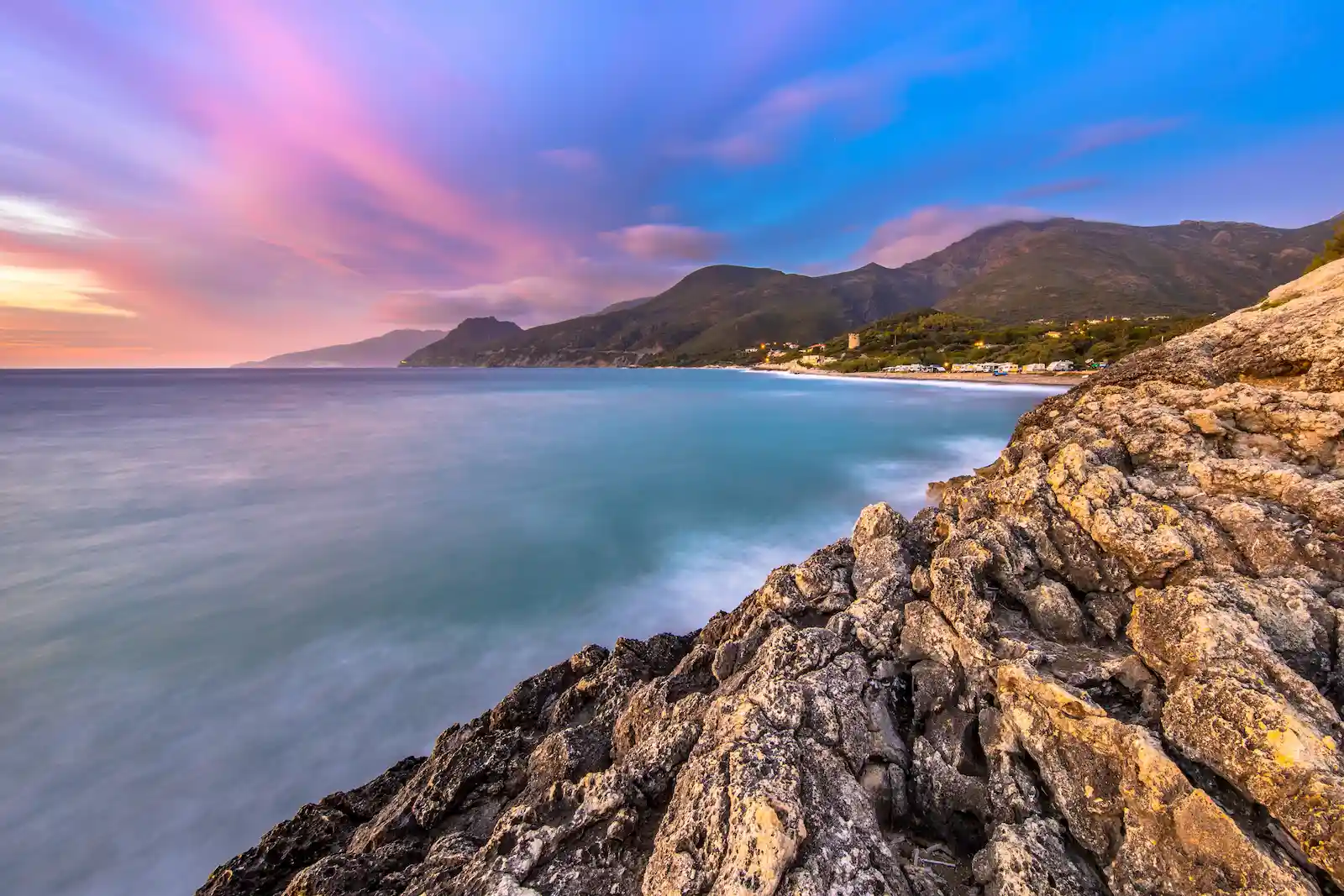
It is worth noting that the village of Centuri changes its face with the seasons. Spring (May-June) and the late season (September-October) are the ideal times to enjoy the mild climate and a moderate influx of visitors. Summer allows you to experience the bustling port and taste local seafood on the terrace, although the accommodation capacity is then at its maximum.
How to discover Centuri responsibly?
To fully appreciate the places, know that it is preferable to stroll on foot through the alleys of the higher hamlets before descending to the port.
- Favor short circuits: buy your products directly from local fishermen or artisans.
- Hiking: take a section of the Customs Path that connects Centuri to Macinaggio to observe coastal biodiversity.
- Respect the calm: the village is a permanent living place; it is advisable to limit noise disturbances, especially in the evening.
What should you pay attention to during your visit?
The preservation of this exceptional environment is everyone’s responsibility. Imagine that the coastline of Cap Corse is a protected area. It is imperative to leave no waste behind and to respect the regulations regarding parking, which is often limited in high season. Moreover, swimming in the immediate vicinity of the port is not recommended for safety reasons related to fishing vessel movements.
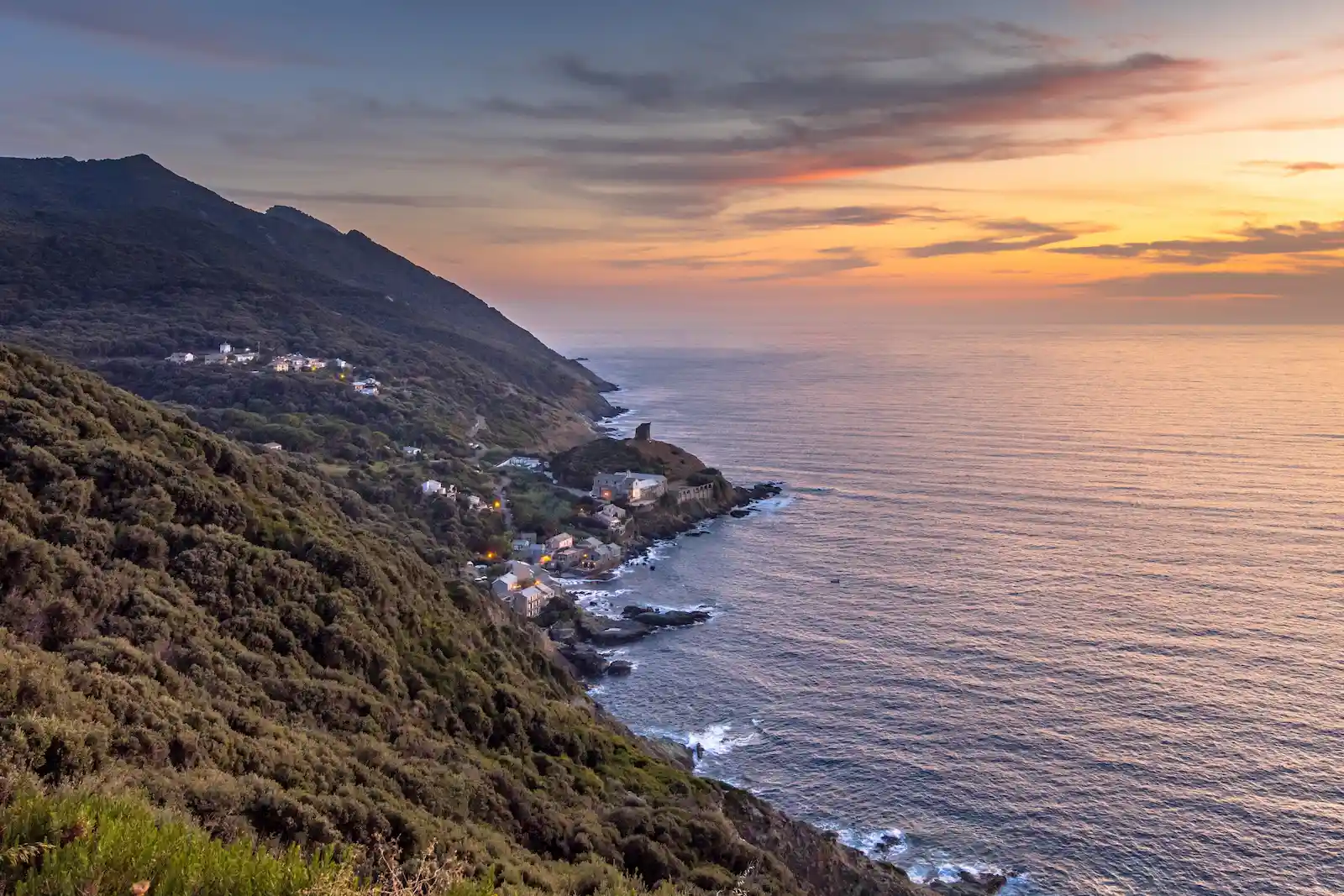
“Corsica is a mountain in the sea.” — This famous quote by Guy de Maupassant makes perfect sense in the village of Centuri, where the steep reliefs plunge directly into the turquoise waters of the port.
What to do and see around the village of Centuri and Cap Corse?
To extend your stay in the Cap Corse, it is worth mentioning the major sites located near Centuri:
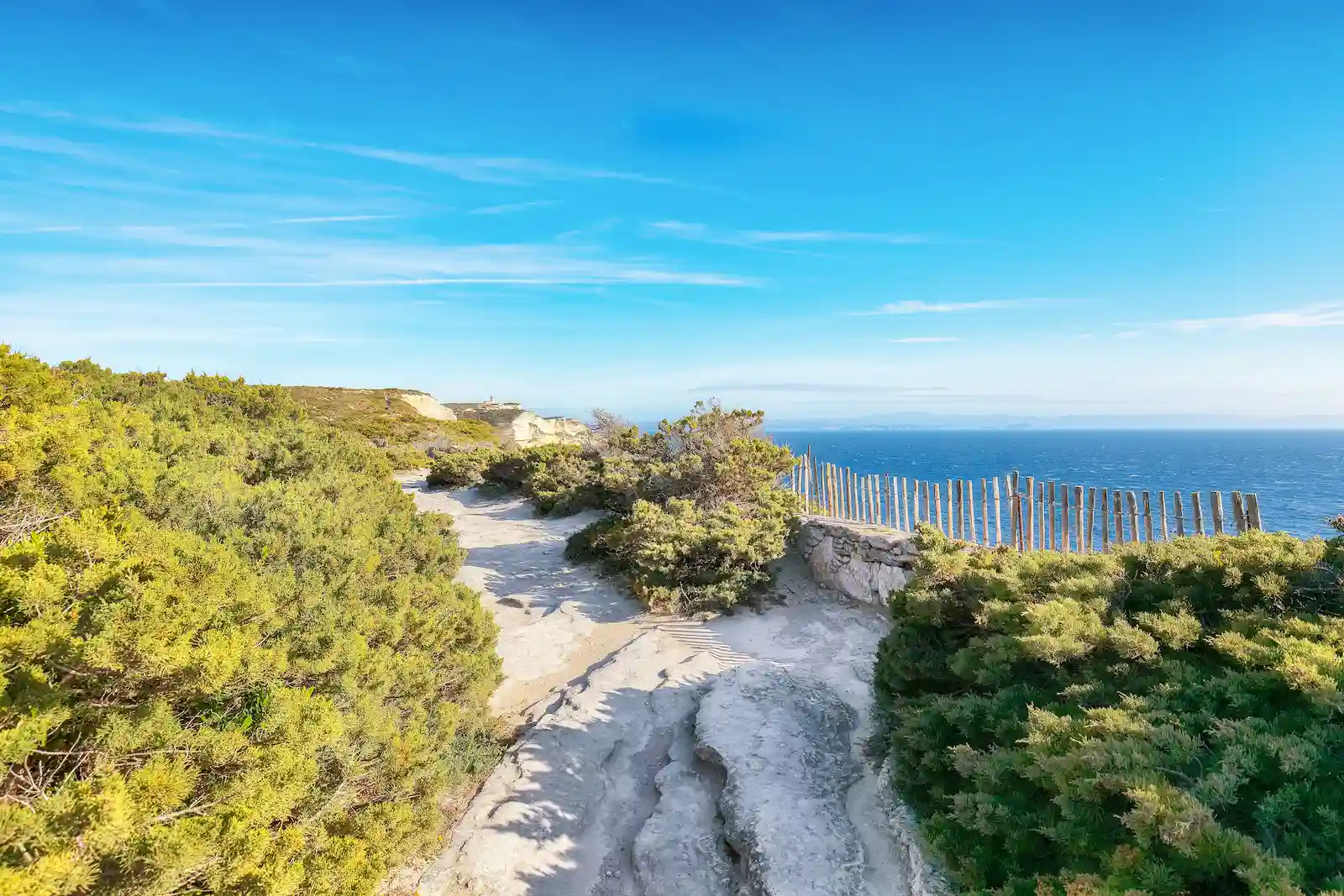
- The Customs Path (North): A must-see that connects Centuri to Macinaggio. The section leading to the Sainte-Marie chapel and the Genoese towers offers wild panoramas of the Capense islet.
- The Mattei Mill: Located at the top of the Sainte-Lucie pass, this restored mill is the most famous viewpoint in Cap Corse, offering a 360° view of both sides of the peninsula.
- The village of Cannelle: A hamlet suspended above the marina, famous for its spring and its narrow alleys that seem frozen in time.
- Morsiglia and its American houses: Just a few minutes south, this village bears witness to the history of Corsicans who went to seek fortune in the Americas in the 19th century.
- Albo Beach and its black tower: A little further south on the west coast, a gray pebble beach dominated by an impressive Genoese tower.
In the end!
Ultimately, Centuri is much more than just a tourist destination; it is a living testament to the Corsican maritime culture. By choosing to visit this place with curiosity and respect, you contribute to the sustainability of its craft economy and the preservation of its unique natural heritage. To extend this immersion in Upper Corsica, the member establishments of Corsicacamping.com offer you outdoor accommodation solutions that combine comfort and proximity to these exceptional landscapes.
It’s time to discover Corsica!
For that, nothing could be simpler, choose a Corsican campsite from the independent group Corsica Camping to enjoy an authentic, friendly, and deeply rooted accommodation mode, where every stay supports a vibrant and preserved Corsica.
Campings Corse Corsica Camping
https://www.youtube.com/watch?v=yiB409PGokg