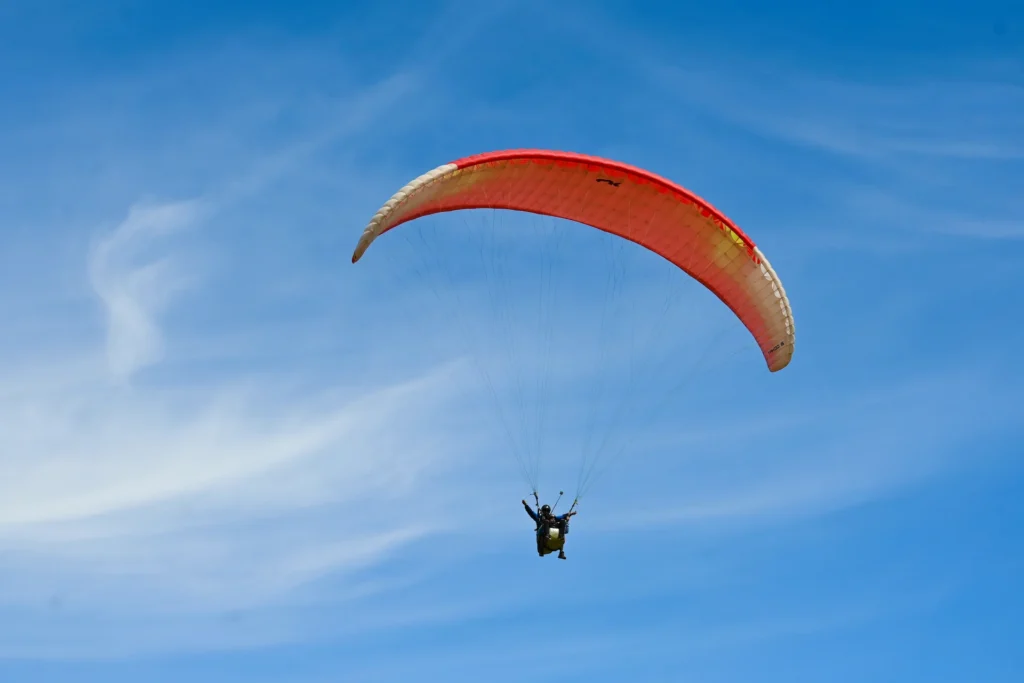
Flying Boat in Balagne
Discover the Flying Boat activities available in the Balagne region!
Balagne Flying Boat Activities: Calvi bay, L’Île-Rousse and the mountains as a backdrop
The Balagne has a rare gift: its coastline, its villages and its peaks all fit into a single frame. Between the citadel of Calvi, the sandy beaches around L’Île-Rousse and the Monte Cinto range rising behind, the landscape looks like a postcard. Flying in a flying boat — that seaplane that takes off from the water — means discovering this scenery from the only vantage point that makes it readable as a whole. Here is what you’ll see, how to prepare and when to go.
Our pick of Flying Boat activities in the Balagne
Unfortunately no activities were found. Find more activities further down!
Flying boat in Corsica
Other activities
Flying boat professionals in Haute-Corse
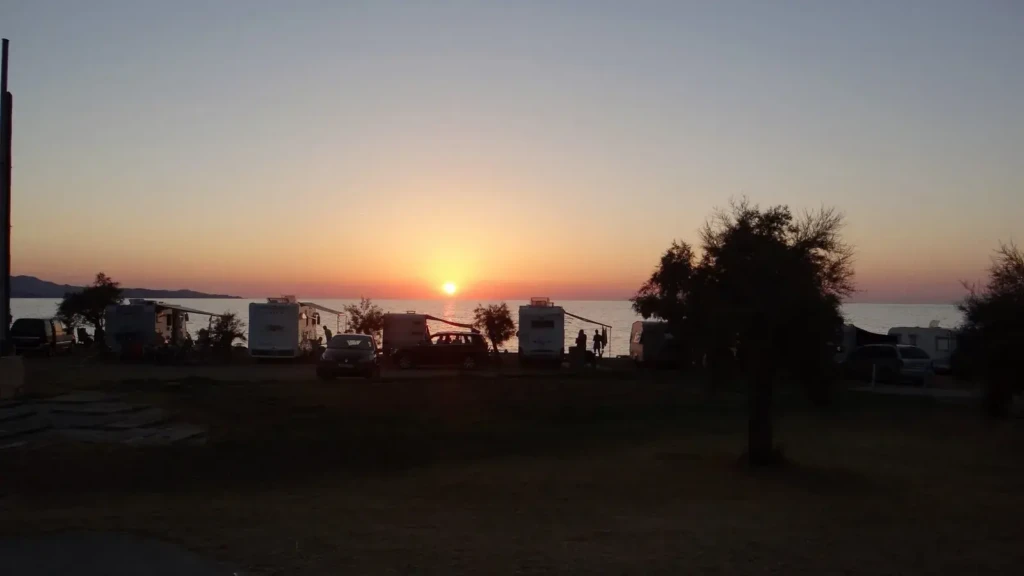
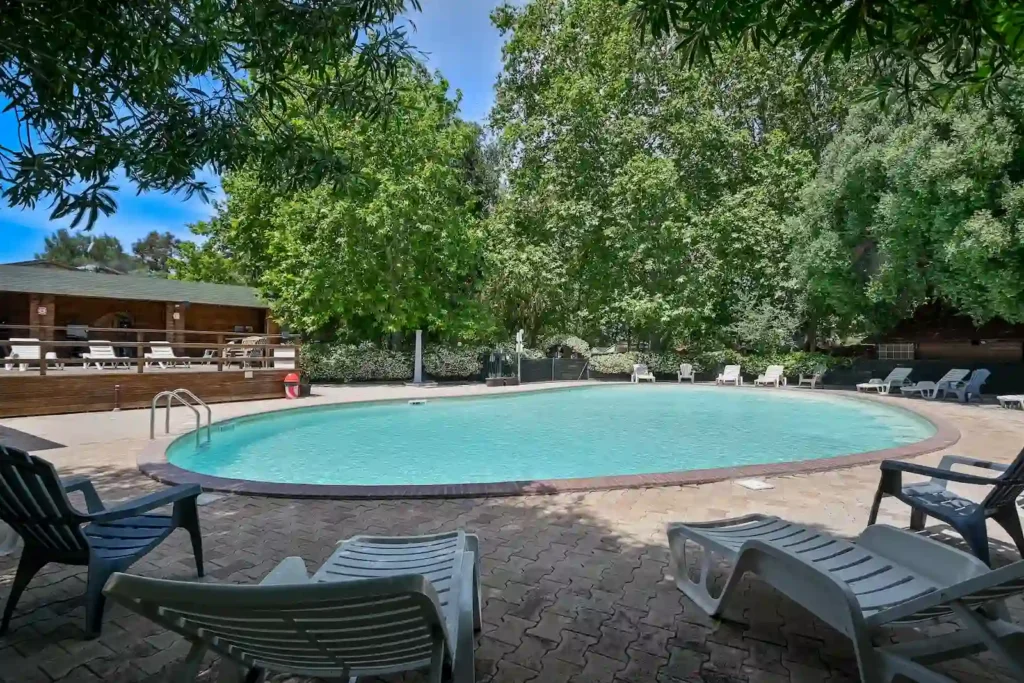
The best campsites nearby in Balagne

A coastline made to be admired
Sometimes nicknamed the "garden of Corsica", the Balagne combines a coastline open to the sea, hills covered in maquis, olive trees and vines, and a hinterland of hilltop villages. From the sky it all reads at a glance: the sea on one side, terraced hills on the other, then the high mountains closing off the horizon.
Monte Cinto, the island's highest peak at 2,706 metres, towers over it all. In spring, its still snow-capped ridges contrast with the blue of the water and the green of the maquis: one of the finest times to fly.
Calvi, from the citadel to the Revellata point
At the far end of a wide bay, Calvi is recognisable from afar by its Genoese citadel perched on a promontory. Seen from the sky, it forms a strikingly graphic ensemble with the marina and the beachfront.
In and around Calvi, several landmarks catch the eye:
- the citadel and its ramparts, overlooking the bay;
- the long Pinède beach, around 5 kilometres of sand lined with pine trees;
- the Revellata point to the north-west, where the coast breaks up into rocky coves;
- the Gulf of Calvi as a whole, whose clear waters reveal the seagrass beds and the contrasts in depth.
Beyond that, the coast stretches on towards the Scandola reserve, which can only be approached by sea: a fine reminder that the Balagne is the gateway to an exceptional coastline.
From L'Île-Rousse to Lozari: a coastline of sand and light
Further east, the coastline takes on a different look. L'Île-Rousse, a town founded in the 18th century, owes its name to the reddish rocks of its Pietra islet, linked to the mainland by a jetty and topped by a lighthouse. From the air, this little rocky outcrop is one of the most recognisable landmarks in Balagne.
Around it, beaches follow one after another:
- Bodri beach in Corbara, around 400 metres of sand and crystal-clear water;
- Lozari beach, to the east, at the gateway to the Agriates desert;
- several small coves tucked between the rocks, visible only from the sea or the sky.
This area is ideal for lovers of colour: pale sand, turquoise water, red rocks and greenery make up a palette that photographs beautifully.
Hilltop villages and valleys: the other half of the landscape
From the sky, you also get a sense of how Balagne is laid out: a string of hilltop villages overlooks the coast, linked by winding roads. Corbara, about 5 kilometres from L'Île-Rousse, is a perfect example, with its convent and narrow streets. Pigna, further inland, charms visitors with its sea views and local crafts.
Higher still, the Bonifatu forest, 3000 hectares of laricio pines, rivers and rock pools, is a reminder that the mountains are never far away. You can explore it on foot after your flight.
Flight conditions: wind, breezes and time slots
The Balagne coast is exposed to the libecciu (south-westerly wind) and at times to the westerly wind, which can make the sea choppy in no time. Mornings are usually calmer, with a light breeze picking up in the early afternoon. Late afternoons tend to be more stable.
A few practical tips:
- keep a spare day in your itinerary;
- bring a windproof jacket, even in summer: the air is cooler at altitude;
- bear in mind that the late-afternoon sun lights up the citadel and the Cinto ridges beautifully.
Photographing Balagne from the sky
Flying at low altitude changes the way you take photos. A few simple habits:
- frame wide: the magic of Balagne lies in the way sea, beach, village and mountain all follow one another, and that gets lost if you zoom in too much;
- aim for the morning or late afternoon: low-angled light brings out the relief of the hills and the texture of the water;
- secure your camera and get it ready before take-off, as there's little time to adjust anything once in flight;
- keep an eye on the horizon: over the bay of Calvi, the best shot isn't always the one you expected.
Once back on the ground, take time to look through your shots: you'll often be surprised by how vivid the colours are, from the deep blue of the open sea to the ochres of the maquis in summer.
For beginners and families
The flying boat is open to passengers with no experience: the pilot handles the flying, and all you have to do is sit back and enjoy the ride. Age and weight limits depend on the aircraft, so check before booking.
With children, opt for a short ride and plan a swim straight afterwards: the calm, shallow waters around L'Île-Rousse are ideal for relaxing on your return.
When to go
From May to June, the light is clear, the peaks are still snow-capped and the crowds are moderate. July and August are the hottest and busiest months. September often offers the best balance: pleasant sea temperatures, more stable air and golden colours. In the depths of winter, flights are generally not available.
Combine it with other activities
La Balagne is packed with activities to make the most of your day. Jet ski hire lets you cruise along the coast at your own pace, paddleboarding invites you to slow down and take it all in, and diving reveals the seabed you could only guess at from above. Inland, hiking and canyoning open up the back country.