Corsican Olive Oil
The Corsican Olive Oil AOP: A Plant Heritage
Corsica is universally admired for its landscapes. Nevertheless, it should be noted that its heritage extends well beyond geographical wonders. The inland areas, in particular, are home to fundamental agricultural jewels, among which is Corsican Olive Oil, designated under the name Oliu di Corsic. This exceptional product is a treasure that requires an educational and responsible approach so that tourism supports its preservation.
3000 years of History and a Revival Hailed by the PDO
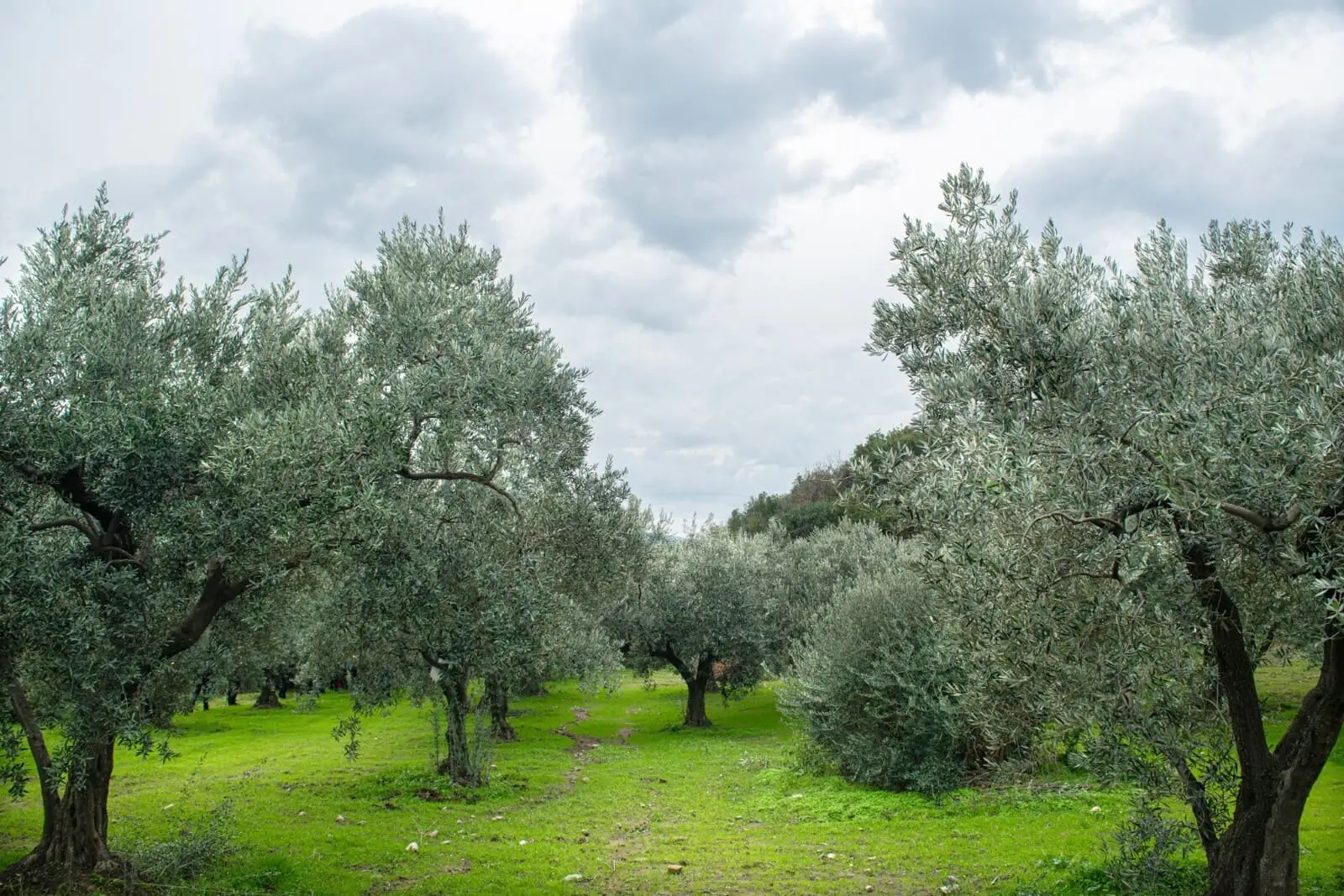
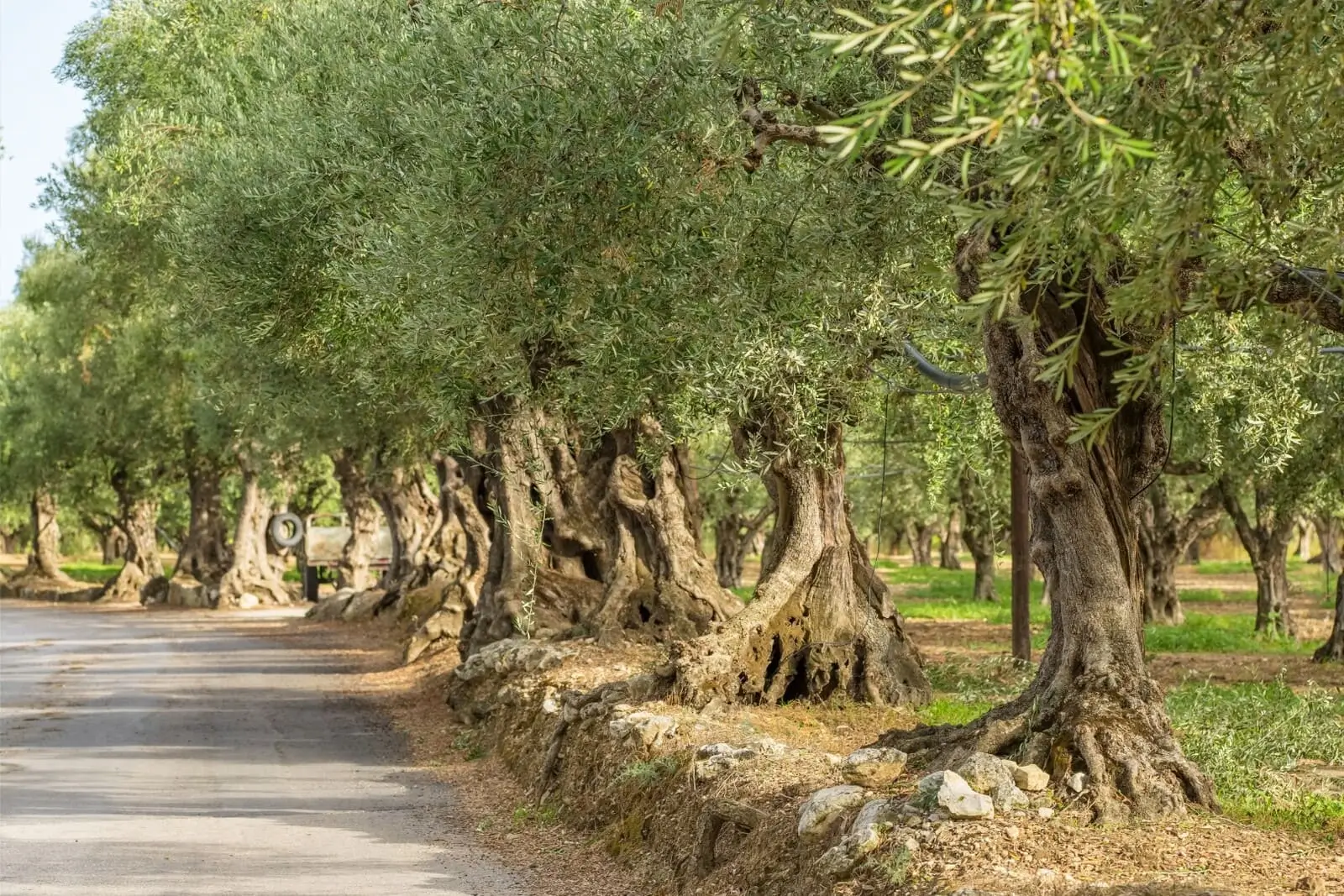
Know that Corsican Olive Growing represents more than 3000 years of history. It has always been a source of wealth for the Island of Beauty, despite historical periods, particularly wars, which severely damaged the terroirs. Furthermore, it is worth noting that this tradition regained its splendor in the 1980s. Passionate individuals worked to renovate the old olive groves, an assiduous effort that was rewarded with the obtaining of the Protected Designation of Origin (PDO).
Corsican Olive Growing
Picture this: the commitment of producers is quantifiable: the island has approximately 640 hectares of olive groves classified as PDO. These are scattered across nearly 300 communes in Haute-Corse and Corse-du-Sud, ensuring an annual production of around 140,000 liters. The official label “PDO” (a new acronym established by INAO, replacing the term AOC, “P” for protected, “C” for controlled) offers an indispensable guarantee. It certifies that the Olive Oil is produced, processed, and elaborated in Corsica using local varieties and according to an ancestral know-how. Moreover, it should be noted that current cultivation methods respect the environment.
The Different Varieties of Corsican Olive Trees
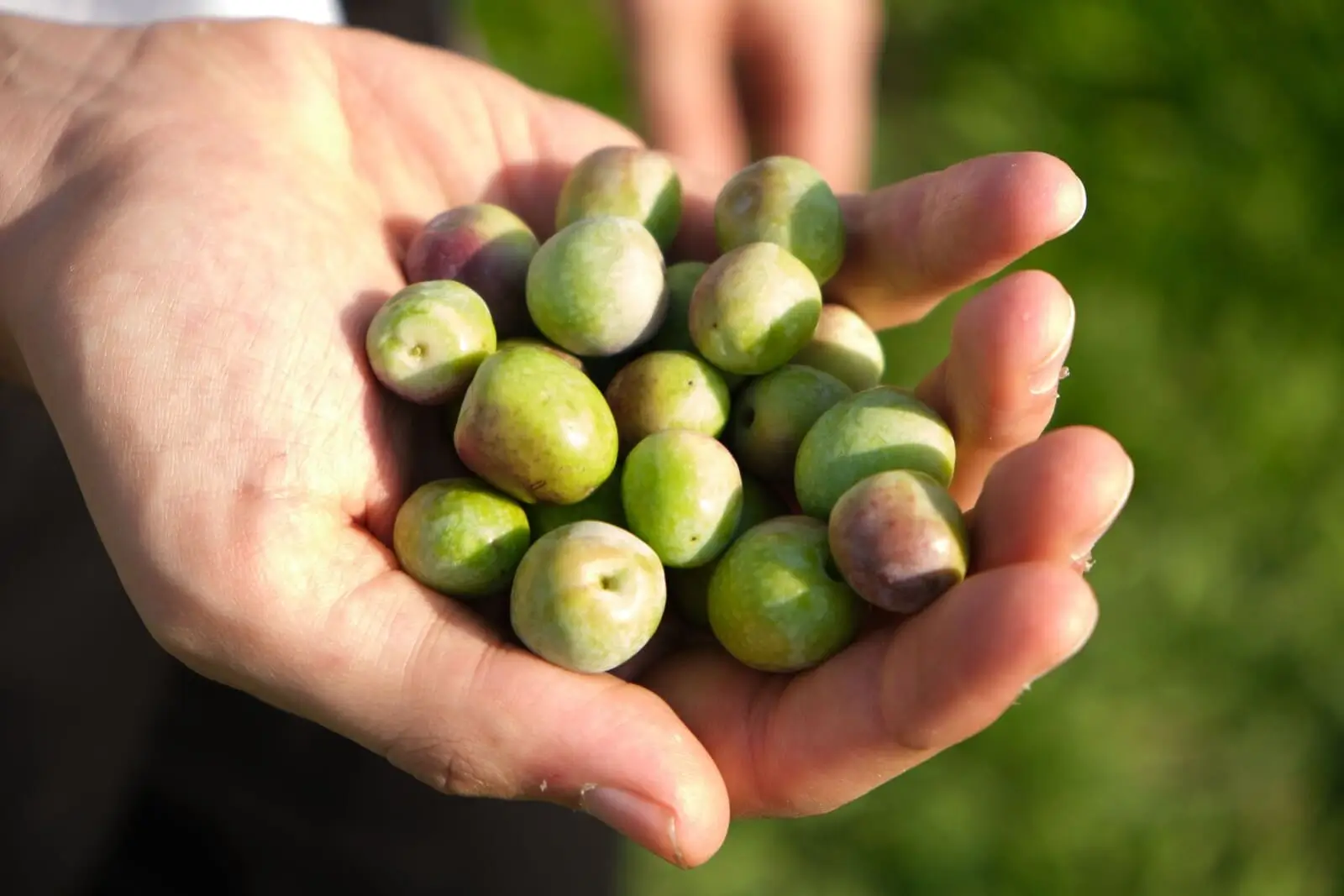
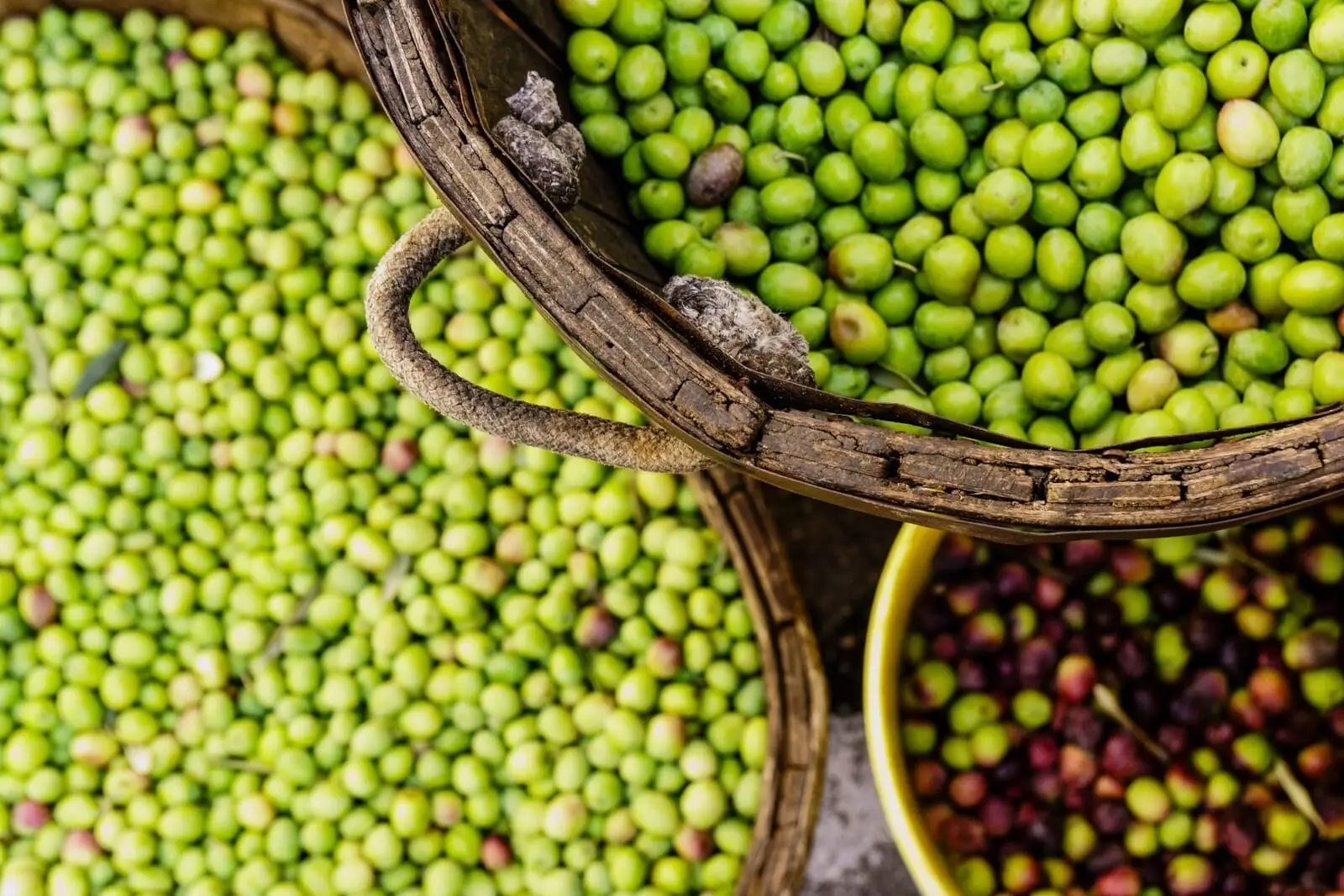
Due to its particular relief, Corsica benefits from a variety of soil types and olives, although olive groves cover up to 2000 hectares of territory. Six varieties of olive oil are found there, several of which are endemic to the island2. These include the Sabina, the Curtinese, the Zinzala, as well as the Ghjermana and the Alva Nera.
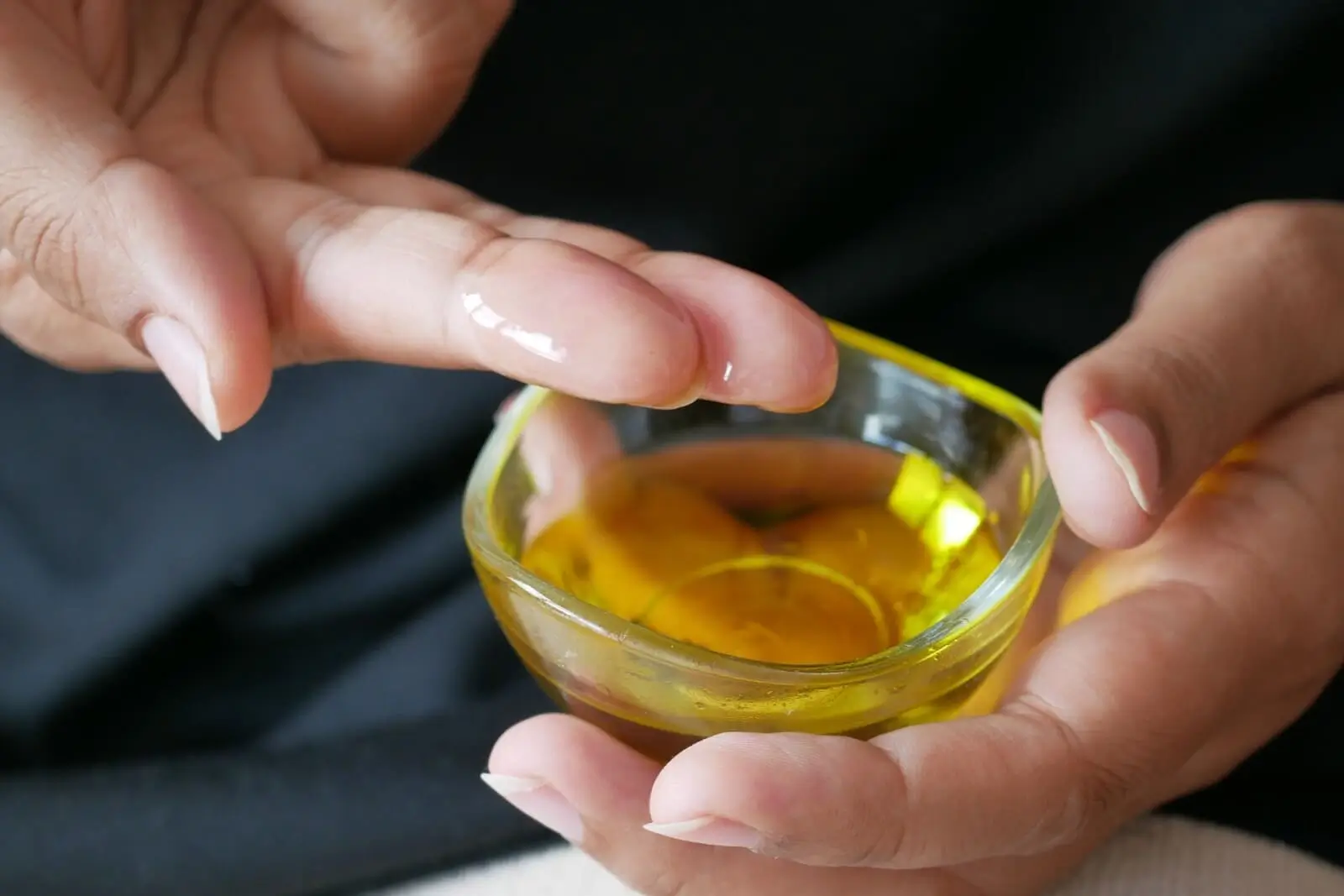
To recognize it, note that Corsican Olive Oil has a velvety sheen, combined with a moderate degree of pungency and bitterness. It offers a complex and rounded aroma, characteristic of a late harvest of ripe olives. The fruit remaining longer on the tree indeed has time to absorb, through its ripening phase, the scents of its environment, particularly the fragrance of the Corsican maquis, flowers, and rosemary.
The Taste Experience: Championing Producers
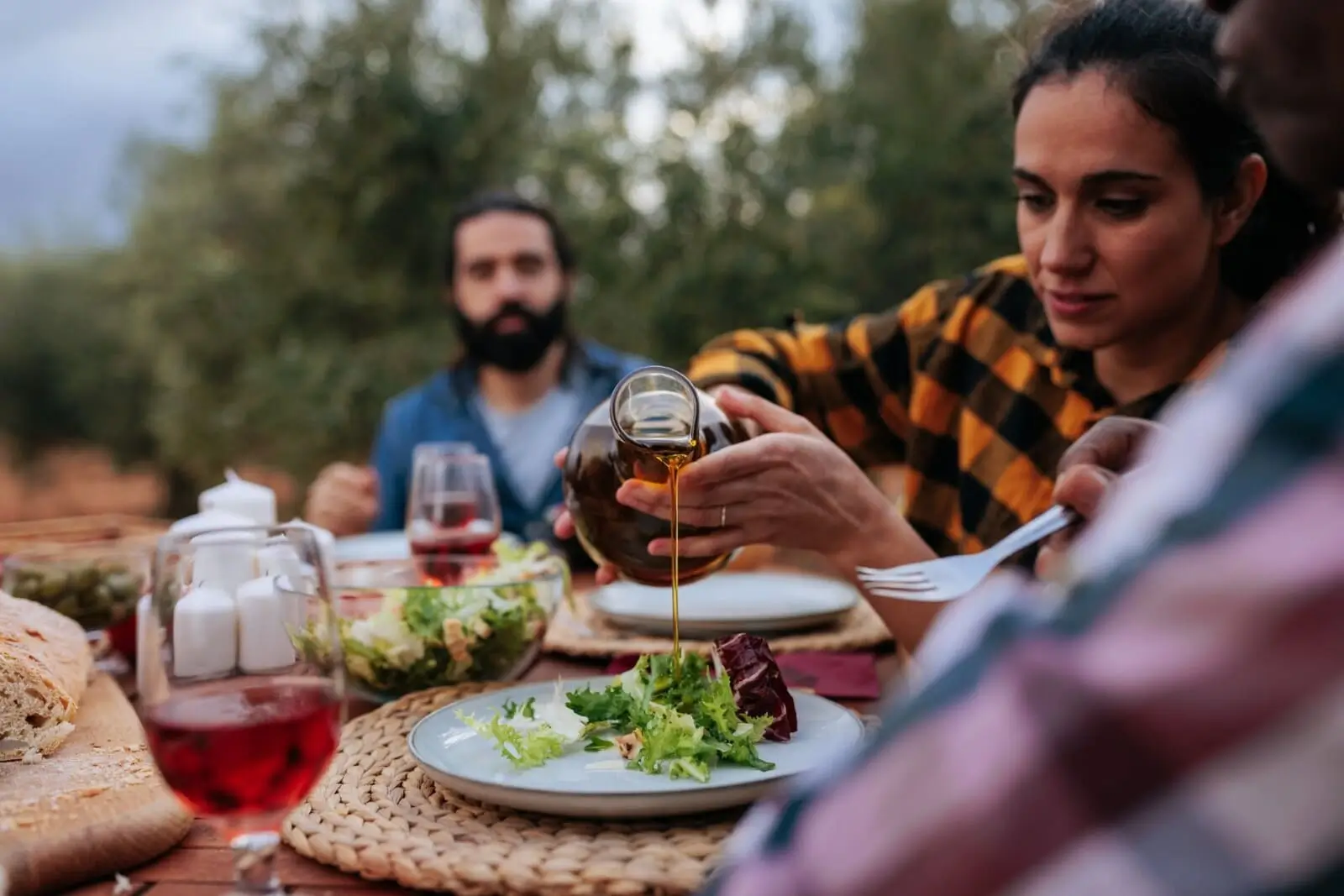
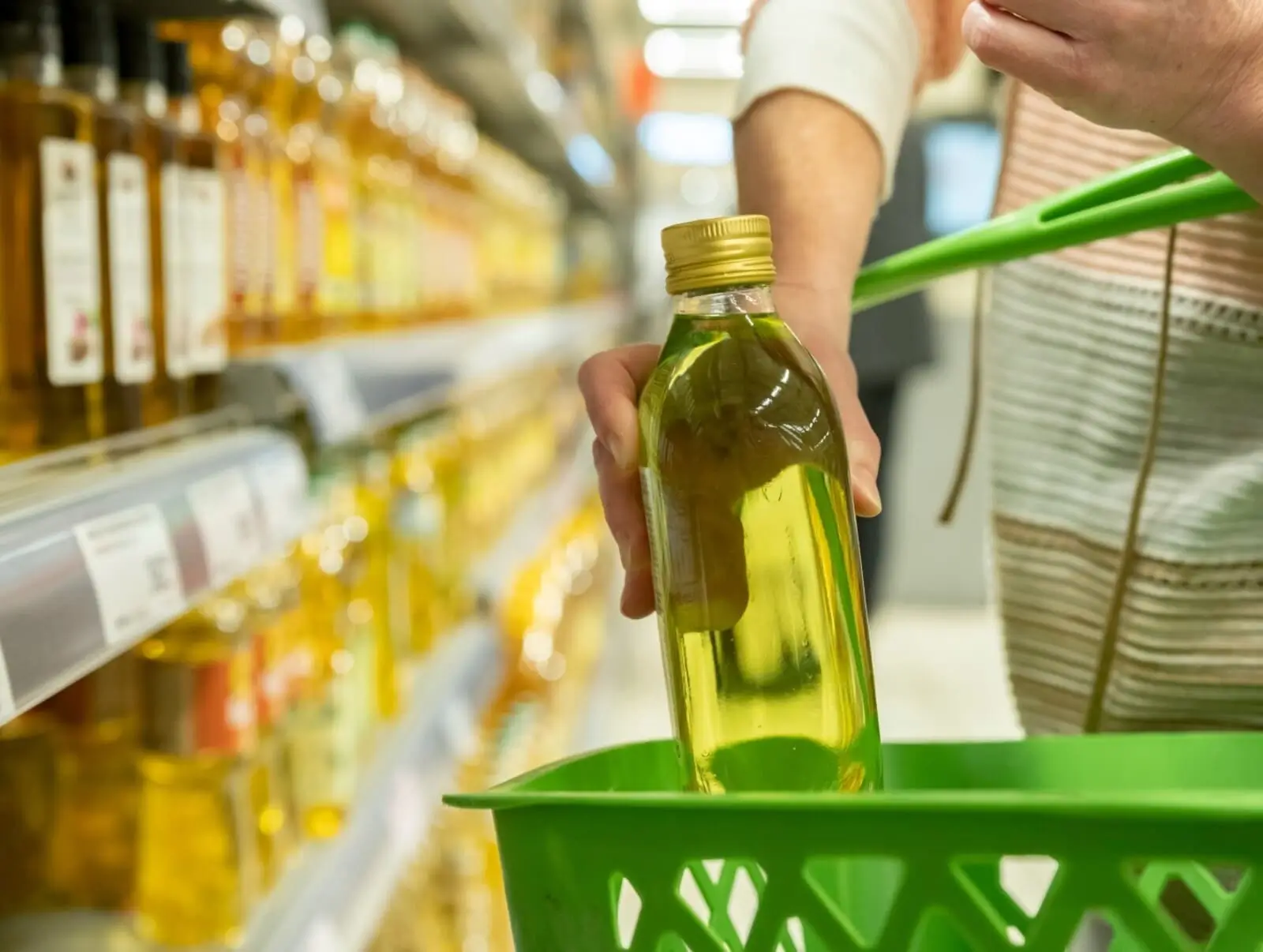
When you embark on a tour of producers in search of an authentic Corsica, the culinary experience cannot be separated from the eco-responsible approach. It is therefore important to prioritise buying directly from producers. These direct interactions not only allow you to acquire an exceptional oil, but also to concretely support the preservation of these terroirs and traditions that are so precious to us. Ultimately, these moments of exchange are part of the spirit of mediation between tourism and preservation that we wish to encourage.
Our Practical Tips
For travellers seeking total immersion and wishing to adopt a sober, environmentally respectful attitude, choosing Camping accommodation, particularly with Corsica Camping, an independent Corsican group, is relevant. A stay in authentic camping generally promotes more efficient management of local resources, which is essential for responsible tourism. It should be noted that opting for this type of accommodation, especially those that champion short supply chains, is a simple but significant step that contributes to the sustainability of a preserved Corsica.
Conclusion: Responsibility and Pleasure in Discovering Green Gold
Corsica PDO Olive Oil is the embodiment of a rich history and a demand for quality. It is the showcase of flavours that enhances every dish. We explain and guide you through this discovery, emphasising that respecting regulations, plant heritage and producers is the essential condition for successful tourism.
It’s time to discover Corsica!
It couldn’t be simpler: choose a Corsican campsite from the independent Corsica Camping group to enjoy a type of accommodation that is authentic, friendly and deeply rooted in the local area, where every stay supports a living, preserved Corsica.

FAQ about Corsican Olive Oil