Museums / Prehistoric Sites in Central Corsica
Discover Museums / Prehistoric Sites in the Central Corsica region!
Far from the beaches and watchtowers of the coastline, the Central Corsica region is organized around a mountain range that occupies the entire interior of the island. It is here, around Corte, that the most political history of Corsica is concentrated: that of a nation that once governed itself, before coming to terms with the powers surrounding it. The heritage of this area is reflected in a citadel perched over 400 meters high, but also in the glacial valleys, high-altitude lakes, and transhumance trails that shaped the life of mountain villages for centuries.
Our selection of Museums / Prehistoric Sites for Central Corsica
Unfortunately, no activity was found. Find more activities below!
Museum
Other activities
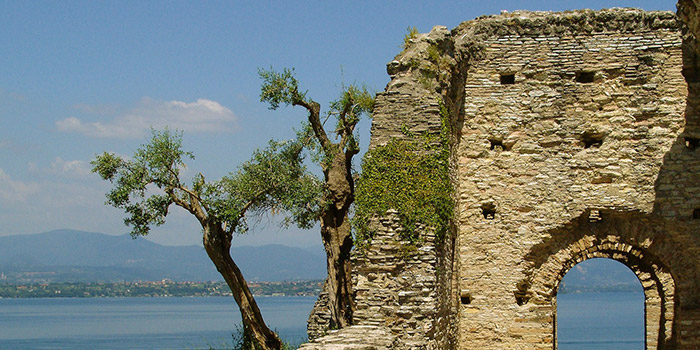


Corte, capital of independent Corsica
Between 1755 and 1769, Corte was the capital of independent Corsica, under the authority of Pascal Paoli, who established there the institutions of a Corsican government with its own constitution, one of the first in Europe based on representative principles. The town still overlooks the valley from its citadel, built on a rocky peak in the 15th century and remodeled several times. A statue of Paoli still occupies the town's main square, recalling the time when Corte concentrated most of Corsica's political power for a few years. The town has preserved from this period a compact urban fabric, cobbled lanes climbing toward the citadel, and a strong academic identity, with the University of Corsica bearing Pascal Paoli's name. This dual identity, both historical and student-oriented, gives Corte a different atmosphere from other towns in Haute-Corse: the café terraces around Place Paoli remain lively for a good part of the year, supported by a younger population than on the coast, while the heights of the citadel offer a viewpoint over the town's rooftops and the first foothills of the surrounding mountain range.
The Restonica Valley, a natural setting at the foot of the citadel
Just a few kilometers from the citadel begins one of Corsica's most famous natural sites:
- the gorges carved by the Restonica torrent over nearly 15 kilometers, flanked by granite cliffs;
- the glacial lakes of Melo and Capitello, reachable via hiking trails from the valley floor;
- ancient shepherds' shelters, witnesses to a pastoral activity still practiced in summer;
- natural pools carved into the granite, where the icy water invites swimming in the peak season.
The Restonica Valley can be driven up to a high-altitude parking lot (often closed to private vehicles in high season, replaced by a shuttle), before continuing on foot toward the lakes of Melo and Capitello. The contrast between the whiteness of the granite, the dark green of the Corsican pines, and the deep blue of the lakes makes it one of the most photographed landscapes in the island's interior, both for its natural interest and for the way it has shaped the region's pastoral economy for generations. During peak crowding, access by personal vehicle is generally restricted beyond a certain point in the valley, with a paid shuttle taking over up to the trailheads: it's better to plan for this constraint rather than counting on driving all the way to the end, especially in July and August.
High-altitude lakes and waterfalls, between hiking and coolness
Central Corsica is not limited to the Restonica: the massif surrounding Corte concentrates several other lakes and waterfalls accessible in a day. The Lake of Nino, Corsica's second-largest lake, stands out for its pozzines, those high-altitude peat meadows dotted with pools where horses and cows graze freely in summer. More accessible, the Méli waterfall, between the villages of Vivario and Tattone, is reached in an hour's shaded walk along the Manganello torrent, with several natural pools to cool off in. The overall set of lakes in Haute-Corse and the most beautiful waterfalls on the island provides a good overview for organizing several outings from a single base camp.
A territory shaped by mountains and transhumance
The history of Central Corsica is not limited to the Paoli era: it is also a land of shepherds, where transhumance between high-altitude summer pastures and more sheltered valleys in winter has long shaped local life. The dry-stone shepherds' shelters scattered along the trails, the cheese dairies still used by a few breeders, and the mule paths that connected villages to each other bear witness to this mountain economy, more discreet than the great urban monuments but just as fundamental for understanding the region. This pastoral culture also explains certain local specialties still present at Corte's markets, such as ewe's milk cheeses aged at altitude, inherited directly from the transhumance cycles still observed by some of the massif's breeders.
A discovery to adapt according to age and physical condition
The citadel of Corte and its alleyways can be visited without particular difficulty, even with young children, provided you accept some paved slopes. The Restonica Valley requires more caution: the hike to the lakes of Melo and Capitello represents several hours round trip with elevation gain, not always suitable for the youngest or those unaccustomed to mountain walking. For a family outing with young children, it's better to stick to the first pools accessible from the Restonica parking lot, without pushing on to the lakes themselves.
When to go exploring Central Corsica?
Summer remains the easiest time to reach the high-altitude lakes, once the snow has melted on the trails, generally from June onward. Spring and early autumn offer a good alternative for visiting Corte itself, with more bearable heat in town than in the height of summer. In winter, the citadel remains accessible, but the heights of the Restonica Valley can become snow-covered and require appropriate equipment, or even become inaccessible depending on conditions.
Other activities to combine on site
Central Corsica is particularly well suited to outdoor activities as a complement to a visit to Corte. Hikes in Central Corsica allow you to reach lakes and shepherds' huts via marked trails, while canyoning in Central Corsica takes advantage of the gorges carved out by mountain torrents. Kayaking in Central Corsica is more suited to the calmer waterways of the region, and via ferrata in Central Corsica offers another way to gain height on this granite landscape.
To extend your discovery of the citadel and the town's history, the things to do in Corte guide from Corsica Camping details the must-sees of this university town.