Scuba diving in Bastia and Cap Corse
Discover the diving sites in the Bastia / Cap Corse area!
Diving in Bastia and Cap Corse: wrecks, drop-offs and marine reserve
Between the port city of Bastia and the long Cap Corse peninsula stretching north for nearly 40 kilometres, the coastline alternates between schist cliffs plunging straight into the water, sheltered coves and some of the richest seabeds in Haute-Corse. It is a contrasting playground for scuba diving: on one side the deep drop-offs and World War II wrecks off Bastia, on the other the clear, protected waters bordering the tip of the Cap, just a stone’s throw from the Finocchiarola islands.
Our selection of diving activities for Bastia / Cap Corse
Bastia diving club
The Bastia Diving Club is a friendly and experienced scuba diving structure located on the…
Discover the activityDiving
Other activities
An underwater landscape shaped by rock and by history
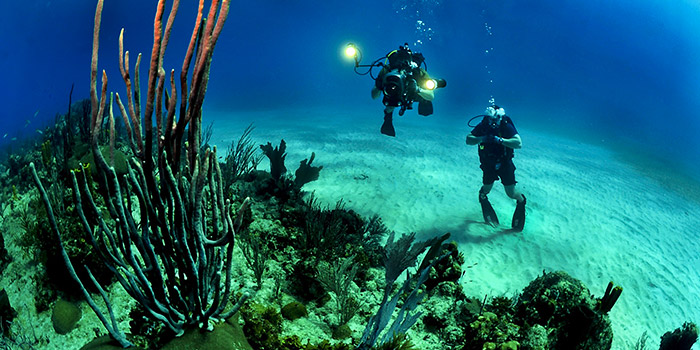
Cap Corse is often described as a finger of granite and schist reaching out toward the Ligurian Sea, and this rugged geology extends naturally beneath the surface. There, divers find faults, rocky spurs and drop-offs that sometimes plunge beyond 40 metres, with visibility that ranks among the best in the Mediterranean in calm weather. The proximity of deep waters off the tip also explains the regular presence of passing pelagic species, which are rarer along more sheltered coasts.
The region also preserves several remnants of the Second World War, sunk off the coast of Bastia and Cap Corse in the 1940s and now covered in dense marine life. These sites, reserved for the most experienced divers due to their depth, sit alongside more accessible reefs where beginners and families can also get started.
Iconic spots, from Bastia to the tip of the Cape
- A rocky peak off Bastia, colonised by sponges and frequented by groupers
- A Second World War submarine chaser wreck, resting at over 40 metres deep
- An American aircraft fuselage resting at shallow depth near Miomo
- The coves and rocky crevices along Erbalunga
- The sheltered seabeds around Nonza and its black pebble beach
- The protected waters at the very tip of the cape, near Centuri
Off Bastia, a submerged rocky peak between 22 and 44 metres concentrates particularly dense life: groupers, saddled bream, combers and damselfish move among colourful sponges and nudibranchs, while spider crabs hide in the crevices. A little further north, near Miomo, an American fighter wreck rests at a depth of only about twenty metres: settled on a sandy bottom, well preserved and shallow, it remains accessible to intermediate-level divers and attracts salema, combers and schools of cardinal fish. Further offshore, an old British ship converted during the war rests at over 40 metres: reserved for experienced divers, this site sometimes attracts tuna, mobula rays and even, in certain seasons, ocean sunfish passing off the cape.
The tip of the Cape and its nature reserve
At the far north of the peninsula, the waters bathing the islands of Finocchiarola, Giraglia and Capense are part of the Cap Corse Islands nature reserve. Access to the islets themselves is prohibited year-round to protect seabird colonies, starting with Audouin's gull, an endemic Mediterranean species particularly sensitive to disturbance. This strict protection indirectly contributes to the good health of the surrounding seabeds, with preserved posidonia meadows and fish populations denser than elsewhere. The area remains one of the wildest in the entire Cap Corse, to be explored both on the surface and underwater.
Further south, towards Saint-Florent, the sea becomes more sheltered at the entrance to the gulf and already heralds the landscapes of the Agriates desert, with its turquoise waters and sandy seabeds ideal for a more tranquil dive.
A Mediterranean biodiversity to preserve
Beyond the most iconic species, the richness of Cap Corse also lies in the good health of its posidonia meadows, those underwater grasslands that carpet part of the sandy seabeds between the surface and about twenty metres. They serve as a nursery for many fish species and contribute directly to the clarity of the water that the area is known for. Local clubs regularly raise divers' awareness, especially the youngest during introductory dives, about respecting these meadows and the fauna fixed on the drop-offs, avoiding any contact with gorgonians or sponges that take years to regenerate.
Initiation or family diving in Bastia and Cap Corse
The diversity of the seabeds allows everyone to find a site suited to their level. The sheltered coves near the shore, particularly around Erbalunga and on the eastern side of the cape, offer moderate depths, generally calm water and good visibility, ideal for a first dive or for getting back into diving as a family. The deepest wrecks and offshore drop-offs are reserved for divers who are already autonomous or supervised by an instructor, due to the depth and sometimes the current that can set in at the tip of the cape.
For children and the youngest swimmers, snorkelling along the most beautiful beaches of Haute-Corse remains an excellent way to discover coastal wildlife without the constraints of equipment or a dive group, before later taking the plunge into a real scuba dive.
When to dive around Cap Corse
The most favourable season runs from May to October, when the water temperature gradually rises to exceed 24 to 25 °C in midsummer and visibility is at its maximum. Spring and early autumn often offer calmer conditions and equally clear water, with the advantage of less frequented sites. Wind remains the main parameter to monitor on this exposed coast: the tramontane, which sometimes blows hard at the tip of the cape, can stir up the sea and occasionally reduce visibility, particularly on the most offshore sites. Checking with a local club before heading out to sea allows you to adjust the day's site to the actual conditions.
Extending your stay: other activities in Cap Corse
Between two sea outings, Cap Corse lends itself to many other discoveries. Lovers of coastal paths will appreciate the hikes that follow the old customs trails, while those who prefer to stay on the water can opt for a boat trip along the coves inaccessible on foot, or for a paddle session in the calm waters of sheltered bays. For accommodation, several campsites in Cap Corse make it easy to explore between the different spots.