Towed Buoy in Bastia and Cap Corse
Discover towed buoy in the Bastia / Cap Corse region!
Towed buoy in Bastia and Cap Corse: a sea always within reach, on one side or the other
The Cap Corse stretches about forty kilometres north like a mountain finger planted in the Mediterranean. This shape has a very concrete consequence for towed buoy: whatever the wind, there is almost always a slope in shelter. Between Bastia, its urban beaches to the south, the marinas clinging to the east coast and the Gulf of Saint-Florent to the west, you will find varied bodies of water, contrasting atmospheres and a light that changes from one to the other. This page helps you choose the place and time for your session.
Our selection of towed buoy activities for Bastia / Cap Corse
Unfortunately no activities were found. Find more activities below!
Towed buoy in Corsica
Other activities
Towed buoy professionals in Haute-Corse


The best campsites near Bastia and Cap Corse


One peninsula, two seas: the advantage of Cap Corse
Corsica is exposed to the libecciu, the west and south-west wind, which can stir up choppy water on the western coast. In Cap Corse, the central ridge acts as a screen: when the libecciu blows, the eastern coast generally remains much calmer, and vice versa when the wind turns to the east. This is what makes this area a reliable ground for towed buoy, since a centre can decide on the morning itself to go out on the best-protected stretch of coastline.
For passengers, this means fewer weather-related cancellations and the possibility of choosing the character of the session: a gentle glide on smooth water, or more energetic sensations when the water is a little choppy. At the end, the difference is most noticeable on the return to the beach, where you decide whether to go for a second round.
Bodies of water worth the detour
- Bastia and the coast south of the city: long beaches open to the Tyrrhenian Sea, very convenient for a quick session before getting back on the road.
- The east coast of Cap Corse, between Miomo and Erbalunga: fishing marinas and dark cliffs, an ideal setting, with the pretty village of Erbalunga as a landmark.
- The west coast towards Nonza: deep, intensely blue waters, more exposed, best reserved for calm-wind days (the village and beach of Nonza make a lovely stop).
- The Gulf of Saint-Florent: a large sheltered body of water, with the marina of the village of Saint-Florent and the beach of La Roya nearby.
Whichever spot you choose, the buoy is towed more than 300 metres from the shore, in accordance with regulations. Boarding therefore takes place from a port, a marina or a marked channel, which adds the pleasure of heading out to open water by boat.
The Gulf of Saint-Florent and the Agriates as a backdrop
This is undoubtedly the most spectacular setting for a session. From the boat, you can see the clear outline of the Agriates desert, those some 15,000 hectares of roadless maquis descending to the sea, and you can make out wild beaches such as Lotu, which can only be reached on foot or by boat. The contrast with the nearby town, its terraces and marina, is striking.
The season makes it easy to combine a session with the beach and village shopping: book a morning session, have lunch at the port, and swim in the early afternoon. The water remains very clear, and the sandy or seagrass bottom can be glimpsed from the surface when the boat is slow.
Bastia as a base camp
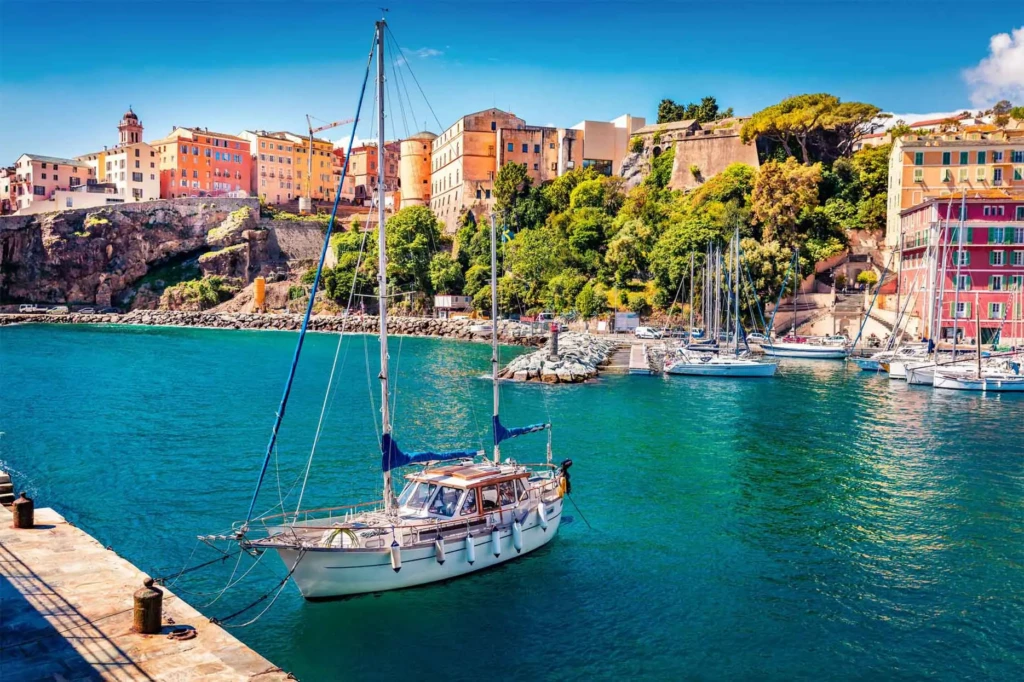
Bastia has the advantage of being a real town: shops, restaurants, a lively port and easy connections to the rest of the island. To stay as close to the sea as possible and explore both coasts of Cap Corse, take a look at the campsites in Bastia. Travellers who prefer to sleep closer to the marinas and villages of the north will prefer the campsites of Cap Corse, which are quieter.
Beginners and families: where to start
For a first time, the east coast of Cap Corse and the inner Gulf of Saint-Florent are the most comfortable: smoother sea, easy departures, short trips between the port and the riding area. A round buoy and a moderate speed are more than enough for a fun family outing.
With young children, opt for the morning and a departure from a port or a gently sloping beach, which avoids walking in uneven depths. Bring a change of clothes, a towel and something to drink: the offshore wind on the buoy, even in summer, can quickly give you a chill after the session.
When to go to Cap Corse
The water sports season starts in May for the more sensitive to cold, with a calm sea but still cool water. June and September are excellent compromises: fewer people, water already pleasant for swimming, clearer waters. July and August offer the warmest water and the most activity on the beaches, but also stronger afternoon breezes: the morning remains the best time.
Cap Corse is known for its gusts of wind, which can pick up quite quickly. Be flexible with your schedule: if your time slot is moved, it means the professional has seen something you can't yet see from the beach.
Other activities to combine around Cap Corse
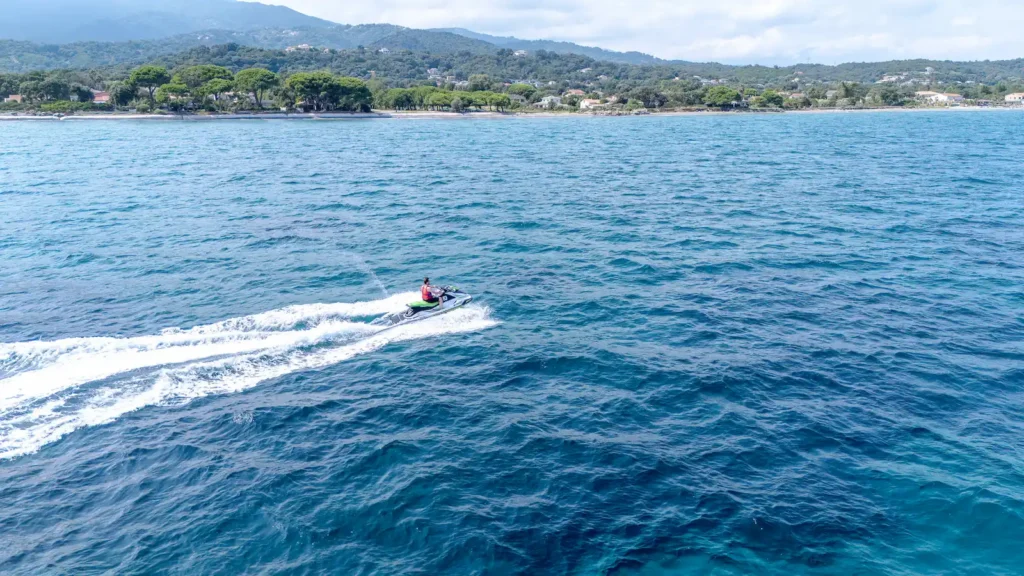
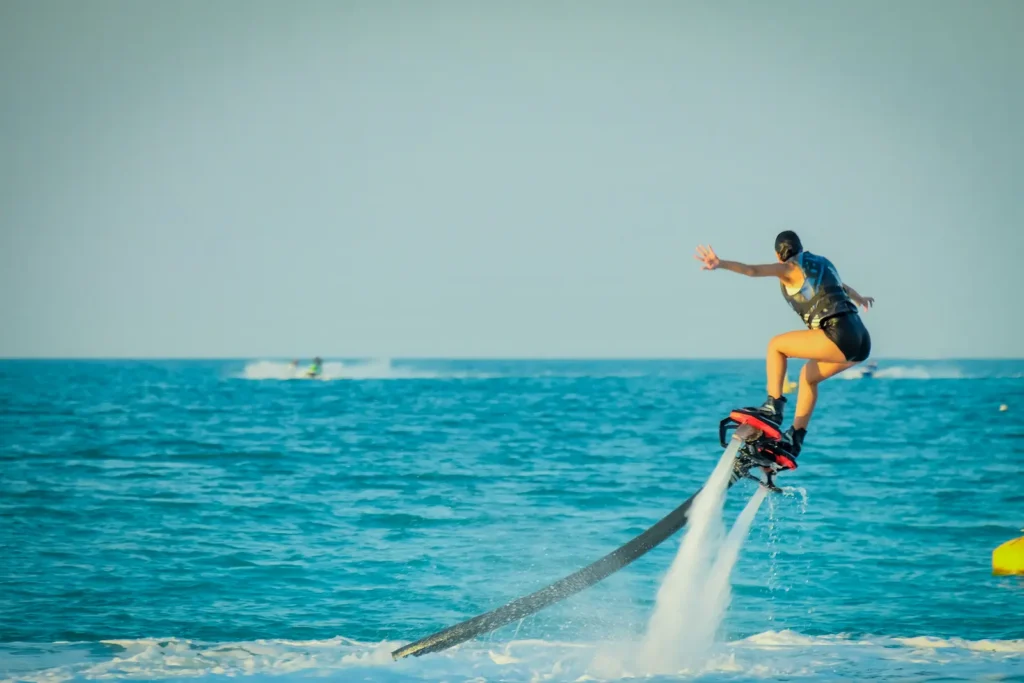
A day on the peninsula can easily combine towed buoy and other board sports: jet ski rental for more individual sensations, wakeboarding for those who want to progress, or scuba diving to discover the rocky seabeds near Bastia and Cap Corse. To stay between the coast and the mountains of Cap Corse, our network's article on where to stay in Cap Corse gives a good overview of the villages and atmospheres.
For beaches, also find the most beautiful coves on the page of the most beautiful beaches in Haute-Corse, where Cap Corse is well represented, from Nonza to Barcaggio.