Tree climbing in Bastia and Cap Corse
Discover tree climbing in the Bastia / Cap Corse region!
Tree climbing in Bastia and Cap Corse
Between the town of Bastia and the tip of Cap Corse, the landscape changes at almost every turn: the maquis climbs from the shoreline up to the schist ridges, pines and holm oaks cling to the slopes overlooking the Tyrrhenian Sea, and small wooded valleys slip between the perched villages. It is in this contrasting setting, where the forest literally brushes against the coastline, that the region’s tree climbing courses have been set up: structures suspended between the trees, at varying heights, making the most of both the shade of the maquis and the open views over the Gulf of Saint-Florent or the eastern coast of the cape.
Our selection of tree climbing activities for Bastia / Cap Corse
Unfortunately no activities were found. Find more activities below!
Tree climbing
Other activities
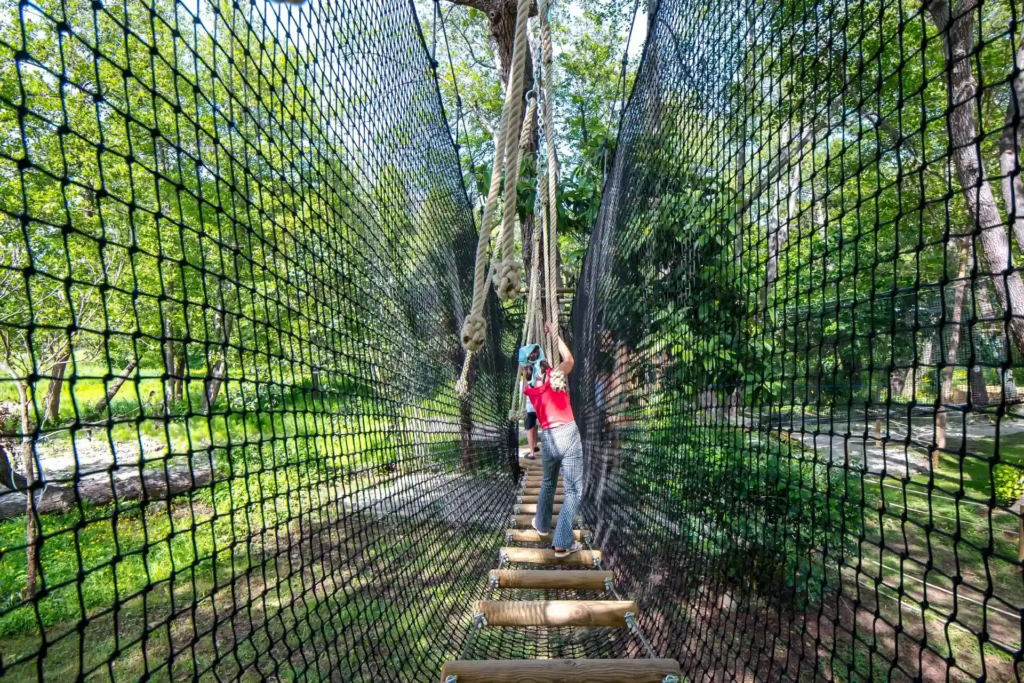
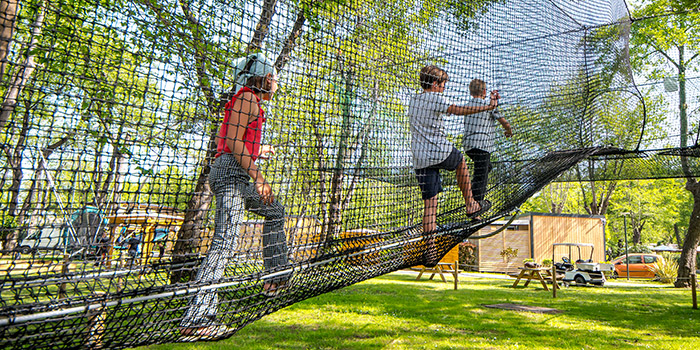
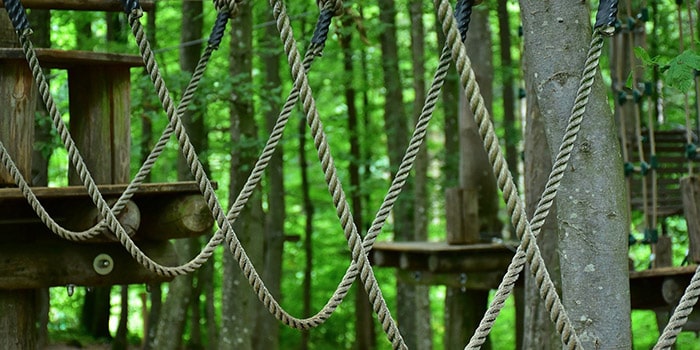

A vertical playground between sea and mountains
The distinctive feature of the Cap Corse lies in its narrow geography: a thin mountain ridge that plunges down to the sea on both sides, with very little flatland. The treetop adventure courses built on this rugged terrain make the most of local species - holm oaks, maritime pines, sometimes century-old olive trees at the edge of a valley - to construct footbridges, nets and zip lines that follow the natural slope of the land rather than an artificial platform. Some of the obstacles offer an unobstructed view of the sea, a real bonus at the end of the day, when the low-angled light illuminates the Genoese towers that dot the coastline.
Around Bastia, at the entrance to the Cap, the terrain softens slightly and gives way to more wooded areas, ideal for family-friendly courses with low, progressive obstacles before the more challenging zip lines further out on the peninsula. This diversity of terrain, between the sea-facing slope and the more sheltered side, makes the area a good option for varying the experience across several outings without ever encountering the same atmosphere twice.
The immediate proximity of the sea also changes the texture of the air at height: on the courses closest to the coast, you often find a slight salty breeze mingled with the scents of the maquis, a blend unique to this part of the island where the mountains are never far from the shore.
<0>Family-friendly, between forest and seafront<1>
The East Coast is one of the areas most frequented by families in Haute-Corse, particularly around Moriani-Plage. The treetop adventure courses in the area take this into account, with circuits graded by age and low-level activities for the youngest. The less pronounced terrain than in Central Corsica or Cap Corse makes it an accessible area even for families not used to heights.
The immediate proximity of the coastline also makes it easy to organise a morning in the forest followed by an afternoon at the beach, a format particularly appreciated in high season when children need to vary their activities.
Some courses in the region also offer late-afternoon slots, once the heat has subsided, a practical option for families who prefer to reserve the coolest hours of the morning for the beach and treetop adventure for a more temperate time of day.
<0>Inland villages and waterfalls to combine<1>
The hinterland of the East Coast, between the plain and the Castagniccia, hides several characterful villages and waterfalls that are well worth a detour as a complement to a treetop adventure outing:
- The village of <0><1>Cervione<2><3>, a former episcopal seat perched above the eastern plain.
- The village of <0><1>Penta-di-Casinca<2><3>, one of the most beautiful villages in the Castagniccia, with a view of the sea.
- The <0><1>Ucelluline waterfall<2><3>, between Santa Maria Poggio and San Nicolao.
- The <0><1>Struccia waterfall<2><3>, nestled in the heights of the Castagniccia.
- The <0><1>Bughja waterfall<2><3>, one of the highest on the island with a drop of around a hundred metres.
Most of these sites are less than twenty-five minutes from the treetop adventure courses set at the edge of the plain, which means you can extend the outing with a swim in a river rather than the sea, for a change. The roads climbing towards the Castagniccia are winding but regularly offer open views over the eastern plain and the Tyrrhenian Sea, which makes the journey pleasant in itself, without needing to stop at every bend.
<0>When to go for treetop adventure on the East Coast<1>
The season runs from April to October, with a very marked peak in July-August linked to the crowds on the coast's beaches. Spring and early autumn offer pleasant conditions, with moderate temperatures and far fewer people on the plain's roads. In the height of summer, the heat can be quite strong on the eastern plain, which is less breezy than the Cap Corse coastline: favouring morning slots, in the shade of the chestnut trees, remains the best option to make the most of the activity without suffering from the heat.
In the low season, from October to March, visitor numbers drop sharply all along the coast, including around the campsites of Moriani and Ghisonaccia. Some treetop adventure courses take the opportunity to close for a few weeks or reduce their opening hours: a phone call before setting off is always useful outside the April-October period.
A region shaped by agriculture and history
The eastern plain still bears traces of its agricultural past: former citrus orchards, vineyards, and a network of irrigation canals dating back to the 20th century. The Castagniccia hills overlooking it tell another story, that of a rural Corsica organized around chestnut cultivation, long nicknamed "the bread tree" for its central role in local food. This heritage dimension, less highlighted than the beaches, gives added interest to an excursion into the hinterland after the treetop adventure course.
The chestnut forests, many of them planted several centuries ago, provide a particularly dense canopy that effectively protects from the sun, even in the height of summer. It is also in this type of woodland, with its gnarled and often impressive trunks, that the hinterland's treetop adventure courses set up their most picturesque stations.
This rural inland Corsica contrasts sharply with the seaside atmosphere of the coastal plain, where campsites, beach restaurants and water sports are concentrated along a fairly narrow strip of coastline. Many visitors are surprised to discover just how close the two atmospheres, sea and mountain, are to each other on the Eastern Coast, separated by barely twenty minutes of driving.
Other activities to combine on the Eastern Coast
The diversity of landscapes on the Eastern Coast, between plain, hills and coastline, makes it possible to multiply activities complementary to treetop adventure. Hikers will appreciate the hikes of the Eastern Coast, which lead in particular to the waterfalls of the hinterland. For more thrills, the via ferrata in the area allows you to explore the rocky reliefs of Castagniccia.
As for accommodation, the campsites of Moriani and Bravone and the campsites of Ghisonaccia are excellent starting points for exploring both the coastline and the hinterland. The Camping Merendella network, in Moriani-Plage, also perfectly illustrates the balance between seaside and surrounding nature that characterizes this entire coast.