Ski Touring in Central Corsica
Discover the ski touring activities to enjoy in Central Corsica!
Ski touring in Central Corsica: in the heart of the island’s highest massifs
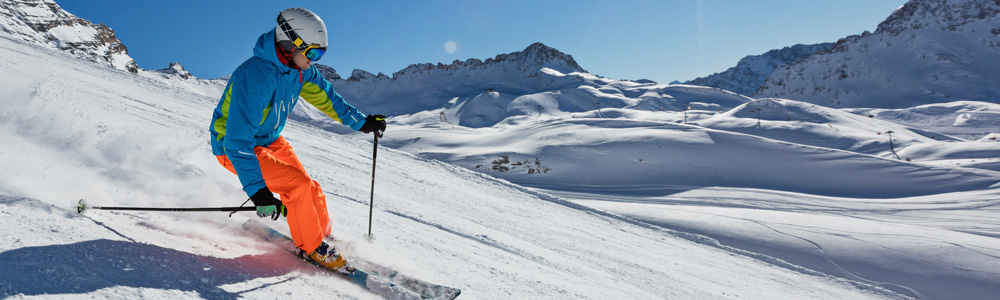
If Corsica has a capital of ski touring, it is here. The Central Corsica region brings together the island’s highest massifs: Monte Cinto (2706 m), Monte Rotondo (2622 m), Paglia Orba and, further south, Monte Renoso. Between these peaks open deep valleys—Niolu, Restonica, Asco—which in winter become long white corridors where you climb on skins in almost total silence.
It is also the area where snow holds best and longest. The altitude of the ridges, the distance from the sea and the north-facing slopes keep a snowpack well after the coastline has forgotten winter. For anyone wanting to discover Corsican ski touring in its most alpine form, this is the place to come.
Our selection of ski touring activities in Central Corsica

AS Niolu
AS Niolu Mountain Activities in Corsica: Canyoning, Hiking, Skiing, Climbing and Mountaineering 📍 Albertacce, Central…
Discover the activitySki Touring
Other activities
A high mountain area, far from the seaside image
The geography of Central Corsica explains everything. The island's main mountain range, oriented northwest to southeast, raises its ridgeline above 2000 metres over dozens of kilometres. The valleys descending from it are narrow, wooded with laricio pines in their lower sections, then open onto high-altitude cirques and plateaus dotted with glacial lakes.
The dominant rock is granite, which creates steep slopes, slabs and rocky outcrops. Under snow, this terrain offers beautiful bowls and couloirs, but also delicate passages where you need to know when to take off your skis and carry them. To better understand the region as a whole, our page dedicated to Central Corsica details the valleys, villages and roads of the area.
The main ski touring areas of Central Corsica
Each valley has its own personality, its starting altitude and its atmosphere. Here are the main areas frequented by skiers:
- The Vergio pass and the Niolu: the highest road access point in the area, between the Niolu and the Valdu Niellu forest, at the foot of Paglia Orba.
- The Restonica valley: the gateway to Monte Rotondo and the Melo and Capitello lakes, starting from Corte.
- The Asco valley: a granite cirque at the foot of Monte Cinto, with the Haut-Asco site at around 1450 m.
- The Ghisoni and Renoso area: gentler slopes around the Capannelle plateau, heading towards Lake Bastani.
The Vergio pass and the Niolu
The Vergio pass, crossed by the road linking the Niolu to the Gulf of Porto, is the highest car-accessible starting point in the area. From there, the slopes around Paglia Orba and the valleys towards Lake Nino offer beautiful terrain when there is enough snow. In summer, Lake Nino is one of the island's flagship hikes; in winter, the same route becomes a full mountain expedition, with no visible waymarking, where navigation matters as much as technique.
Further down, the Niolu and its villages, around Calacuccia and its reservoir lake, form a very distinctive high-altitude valley, which can also be discovered via the spectacular Scala di Santa Regina road.
The Restonica and Monte Rotondo
Starting from Corte, the Restonica valley climbs towards the Monte Rotondo massif, the island's second highest peak. Its ascent on skis is a great classic for experienced skiers, generally attempted in spring when the snow is more stable. In winter, the valley road may be snow-covered or difficult in its upper section: you often have to start lower than in summer, which makes for a longer day.
The Melo and Capitello lakes, frozen for much of the winter, mark the way towards the ridgelines. Our page on the Melo and Capitello lakes presents the summer route, useful for getting your bearings before tackling it in winter conditions.
L'Asco, at the foot of the Cinto
The Asco valley cuts deep into granite gorges before opening onto the Haut-Asco cirque, at around 1,450 metres, where a small ski area has operated intermittently. It is one of the most direct access points to the Monte Cinto massif, the roof of Corsica. The cirque, surrounded by some of the island's highest ridges, offers varied slopes; however, the routes to the summits remain very committing and are reserved for experienced, well-equipped skiers.
Ghisoni, Capannelle and the Renoso
In the south of the area, the Capannelle plateau, above the village of Ghisoni, is the starting point for the Monte Renoso and Lake Bastani, at 2,089 metres. The slopes here are more regular and gentler than in the Cinto or Rotondo areas, making it a popular terrain for first outings or for days when you want to limit your commitment.
Reading the snow and the mountains in Central Corsica
Central Corsica is not exempt from the characteristics of Mediterranean snow: snowfall episodes followed by thaws, overnight refreezing and snow that is often hard in the morning. South-facing slopes lose their snow quickly once the sun hits them, while north-facing slopes can keep cold snow for several days after a snowfall.
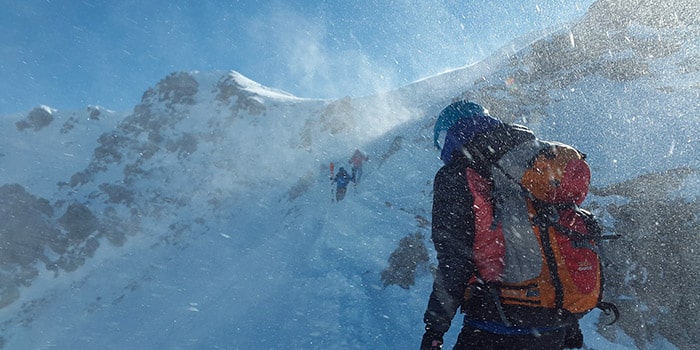
The wind plays an important role on the ridges: it transports snow, forms cornices and slabs, and can make a slope dangerous even in fine weather. Before every outing, check the Météo-France avalanche risk estimate bulletin for the Corsican massifs, and adapt your route. The transceiver – shovel – probe trio is essential, as are crampons for climbing on refrozen snow.
Another point to anticipate: high-altitude roads. The Vergio pass road, the Restonica road and the Haut-Asco road can be snow-covered, icy or temporarily closed. Check their condition before setting off and plan for a properly equipped vehicle.
Beginners and families: snowshoeing and gentle slopes
For families and those who do not practise off-piste skiing, Central Corsica is very well suited to snowshoeing. The laricio pine forests around Valdu Niellu, the Capannelle plateau and the floor of the Haut-Asco cirque offer more accessible snow walks, with moderate elevation gains.
To get started in ski touring proper, it is better to begin on regular slopes, such as those in the Ghisoni area, and to be accompanied by a qualified high mountain guide for the first outing. Outside winter, the hikes in Central Corsica allow you to discover these same landscapes on foot, in complete peace of mind.
When to go ski touring in Central Corsica?
The best period generally runs from January to March. In good years, the north-facing slopes of the highest summits, Cinto and Rotondo first among them, remain skiable in spring, with more predictable transformed snow and longer days.
December can be interesting if the first snowfalls have been abundant, but the snowpack often remains thin on the granite blocks. Conversely, in spring you need to set off very early: the snow softens quickly in the afternoon and the risk of wet slides increases with the heat.
Budget: what to plan for
Self-guided ski touring mainly costs in equipment: skis, bindings, skins, suitable boots, avalanche transceiver, shovel and probe. If you come from the mainland with your own gear, the budget then comes down to accommodation, fuel and meals.
For a guided outing, a high mountain guide's rate is generally calculated per day and shared among the participants: the larger the group, the lower the individual cost. In Haute-Corse as elsewhere, ask in advance, especially at the end of the season when demand increases.
Where to stay and what to do nearby?
Corte remains the ideal base for exploring the Restonica, Niolu, Asco and Ghisoni areas. Outside the summer season, check the opening periods of campsites in Corte and high-altitude accommodation before you leave. The town itself deserves a day, between its citadel and the Museum of Corsica: our page devoted to museums and sites of Central Corsica presents what to see, and this guide to activities in Corte usefully completes the programme for a snow-free day.
In the warm season, the same massifs change completely: climbing in Central Corsica on the granite of Niolu, canyoning in Central Corsica in the mountain rivers, or the ascent of Monte d'Oro take over.