4×4 Excursions in Bastia and Cap Corse
Discover the 4×4 excursions available in the Bastia / Cap Corse area!
4×4 Excursions Bastia / Cap Corse: from the Saleccia track to the Nebbio viewpoints
In the north of Haute-Corse, three landscapes meet within a few dozen kilometres. To the east, Bastia leans against the green slopes of Serra di Pigno. To the north stretches the long peninsula of Cap Corse, a schist ridge culminating at Monte Stello (1,307 m). To the west, the Gulf of Saint-Florent opens onto the vineyard hills of the Nebbio, then onto the vast expanse of maquis of the Agriates desert, where you no longer encounter a single village until Balagne.
This is where the island’s most famous 4×4 track begins, leading to the white sand beaches of Saleccia and Lotu. But the area is not limited to this great classic: the heights of the Nebbio and the ridge roads around Bastia also offer superb views over both sides of the Cap.
Our selection of 4×4 excursions for Bastia / Cap Corse
Unfortunately no activities were found. Find more activities below!
4x4 in Corsica
Other activities
4x4 hiking professionals in Corsica
The best campsites nearby
The Agriates by 4x4: twelve kilometres of maquis down to the sea
The Agriates desert is nothing like a sandy desert. It is a vast area of rocky hills covered in maquis, around 15,000 hectares, practically uninhabited since the abandonment of the crops and pastures of the past. A large part of the territory is now protected by the Conservatoire du littoral, which explains its unspoilt appearance.
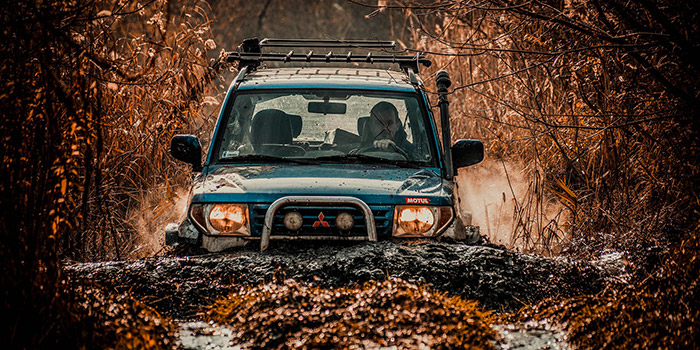
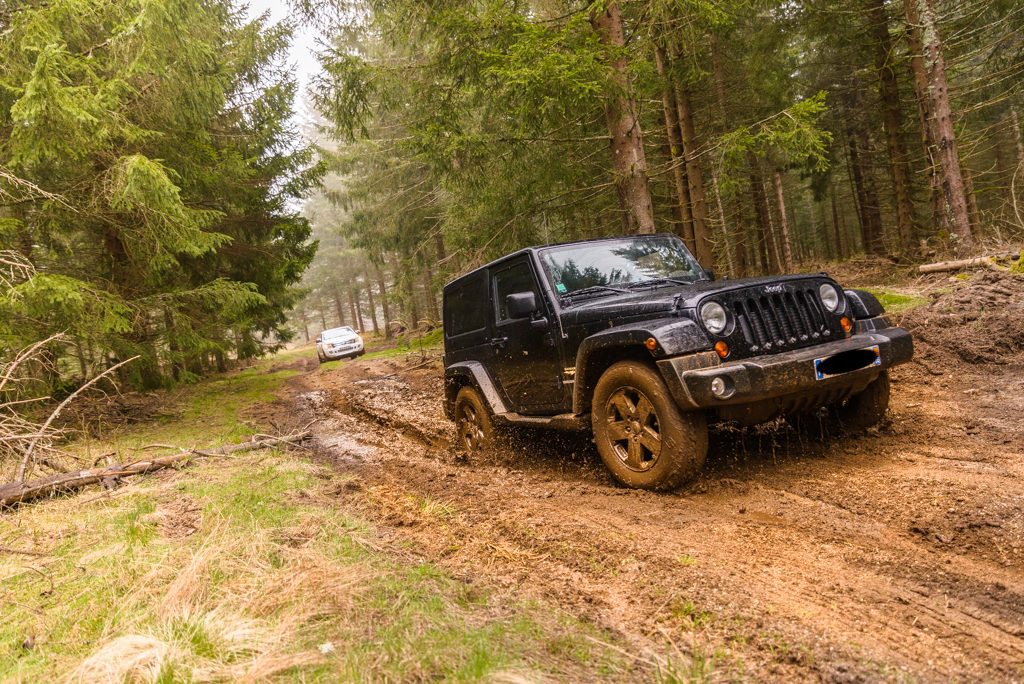
The Saleccia track starts near Casta, on the departmental road linking Saint-Florent to L'Île-Rousse. It descends for about 12 kilometres through the maquis, with a surface alternating stones, ruts, rocky steps and sandy sections. Allow 45 minutes to an hour of careful driving each way. At the end, the reward: one of the most beautiful beaches in the Mediterranean, with turquoise water and a pine forest behind the beach.
- Casta: starting point of the track, on the Agriates road
- Saleccia beach: nearly a kilometre of white sand at the bottom of a wide cove
- Lotu beach: smaller, accessible on foot from Saleccia along the coast
- Gulf of Saint-Florent: plunging views from the first heights of the track
- Old haystacks and low walls: traces of pastoral activity along the tracks
To prepare your visit, the page dedicated to the Agriates desert details its history, its wildlife (including Hermann's tortoise) and the different ways to access it.
What makes this track special
The Saleccia track is not technically extreme, but it wears out vehicles and nerves. Ruts deepen as the season goes on, sandy sections become soft in midsummer, and passing requires patience on narrow stretches. Many rental contracts prohibit driving on it, and a standard tourist car clearly has no place there. That is why a guided hike with a driver-guide accustomed to the terrain remains the most serene option.
One access, two atmospheres
In the morning, the low-angled light reveals the relief of the hills and the colours of the maquis. In the late afternoon, the sun drops on the Balagne side and the beach empties. If you can, avoid the central hours of the day in July and August: the heat is intense, so is the dust, and the beach is at its busiest.
The Nebbio and the heights of Saint-Florent
Before or after the Agriates, the Nebbio is well worth a detour. This small amphitheatre-shaped region around the gulf is known for its vineyards (AOP Patrimonio) and its stone villages perched on the hills. 4x4 tours readily take its farm tracks and ridge roads to link villages, Romanesque chapels and viewpoints over the gulf.
The small town of Saint-Florent, capital of the Nebbio, serves as an ideal base. Its marina, terraces and sheltered beaches make it a pleasant place to unwind after a day on the trails. Most tours to the Agriates are actually done as day trips from the gulf.
Why the Nebbio appeals to 4x4 enthusiasts
- Shorter and less punishing tracks than those of the Agriates
- Simultaneous views over the gulf, Cap Corse and the first mountains of the interior
- Possible stops in the villages and wine estates of the area
- A good combination with a morning at the beach or a swim in the gulf
Around Bastia: the Serra di Pigno and the ridges of the Cap
Just above Bastia, the Teghime pass marks the crossing between the east coast and the Nebbio. From there, a narrow road climbs to the Serra di Pigno, whose summit at nearly 950 metres offers one of the most comprehensive panoramas in the north of the island: the city and the Biguglia lagoon on one side, the Gulf of Saint-Florent on the other, and on clear days the islands of the Tuscan archipelago on the horizon. Several 4x4 hiking tours stop there for the view.
Further north, the Cap Corse ridge is crossed by tracks and old paths that once linked the hamlets on both slopes. Lustrous schist, green rocks and dense maquis create a scenery very different from that of the Agriates. To organise a more complete discovery of the peninsula, the guide visiting Cap Corse in 3 days offers an itinerary village by village.
A word about the wind
Cap Corse is a land of wind. The libecciu, coming from the south-west, hits hard on the western slope and on the ridges. On a windy day, exposed passages become uncomfortable and dust flies. The guide then adapts the itinerary by favouring sheltered areas.
For families or first-timers
The 4x4 excursion in this area suits almost everyone, provided you choose the right format. With young children, a half-day focused on Saleccia, with a long swimming break, is often more suitable than a full day that takes in several sites. Consider a booster seat if your child uses one in the car, and mention it when booking.
For those who dread the jolts, the Nebbio circuits are gentler than the Agriates track. The choice of seat also matters: in the front, you feel the vehicle's movements less than in the back row.
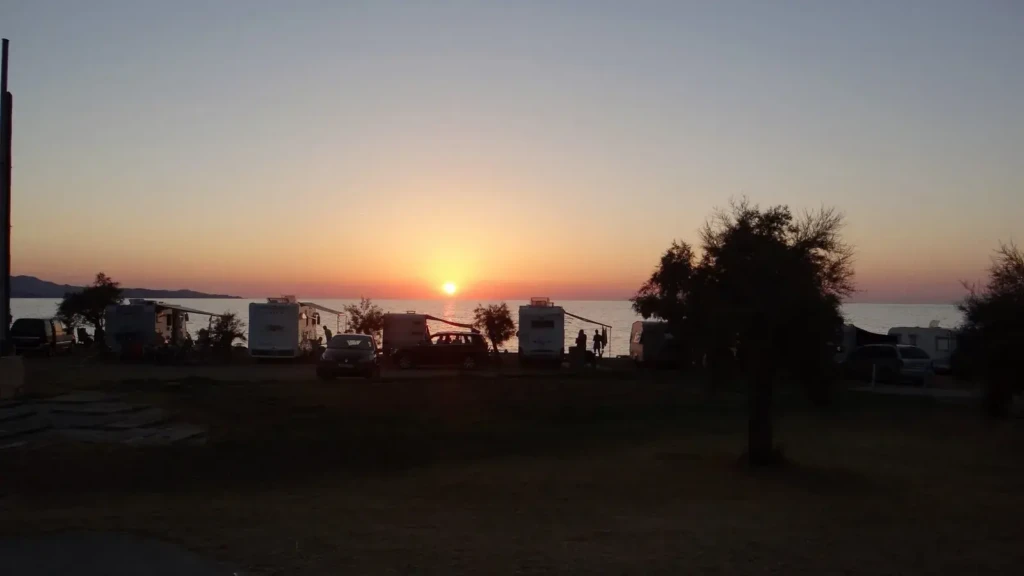
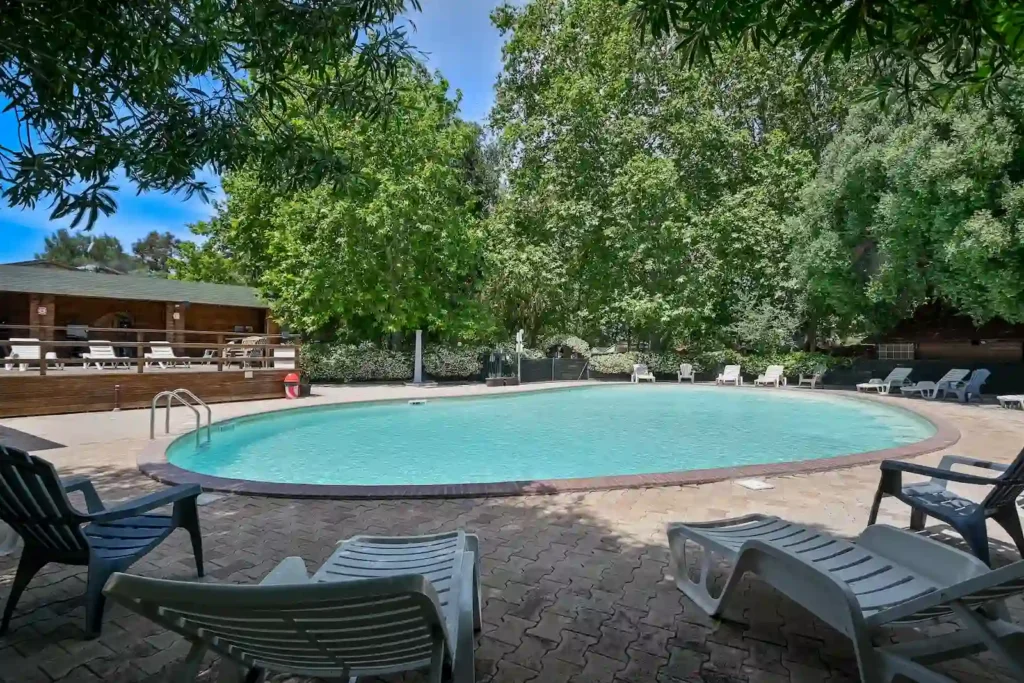
For accommodation, the campsites in Saint-Florent are the best placed for trips to the Agriates. Those who prefer to explore towards Cap Corse and the town will find what they need among the campsites in Bastia, about twenty minutes from the Teghime pass.
When to go on a 4x4 excursion in northern Haute-Corse
May and June are probably the best months: the maquis is in bloom, temperatures remain bearable on the tracks and Saleccia beach is not yet crowded. September offers warm sea and magnificent light, with visitor numbers dropping significantly after the start of the school year.
In July and August, the Agriates track is very busy and the heat intense. Early starts become essential. This is also the period when the prefecture may restrict access to the massifs if there is a high fire risk: an outing may be changed at the last minute. In winter, rain carves up the track, which can become very degraded the following spring, before maintenance work.
Other activities to combine around Bastia and Cap Corse
The area lends itself to a wide variety of stays. To discover the Agriates in another way, the famous coastal path links Saint-Florent to Saleccia on foot, over a long day's walk. On the sea side, the boat trip in Bastia and Cap Corse allows you to reach the same beaches by sea and compare the two approaches. Thrill-seekers can try the via ferrata in Bastia and Cap Corse.
For a stay that makes the most of the marinas and villages of Cap Corse, the selection where to stay in Cap Corse helps you choose your base according to which side of the peninsula you want to explore.