Boat Trip in Bastia and Cap Corse
Discover boat trips and excursions in the Bastia / Cap Corse area!
Boat Trip in Bastia / Cap Corse: Exploring the Coast Between Sea and Mountains
Between Bastia and the tip of Cap Corse, the coastline changes face at every cove. Here, the mountain plunges straight into the sea: roads wind along cliff sides, villages cling to coves, and many sites only truly reveal themselves from the water. A boat trip in this area lets you follow a still-wild coastline, far from the busiest beaches, and reach coves that are inaccessible on foot or by car. It is also the best way to grasp the scale of Cap Corse: a peninsula 40 kilometres long, squeezed between two seas, where every village seems to face the open water.
Our selection of boat trips and excursions for Bastia / Cap Corse
Unfortunately no activity was found. Find more activities below!
Boat Trip
Other activities
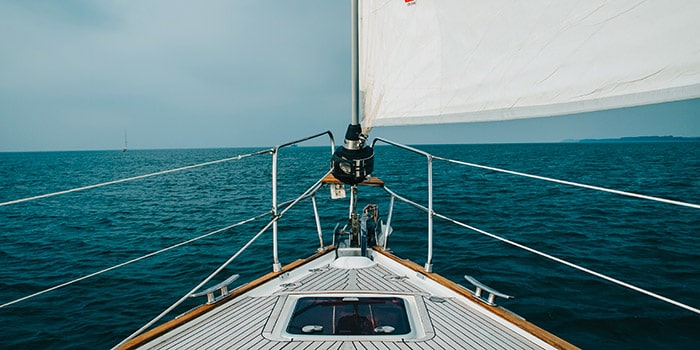
A peninsula shaped by the sea, between marinas and Genoese towers
Cap Corse was built around navigation: its inhabitants long lived from fishing, coral and maritime trade, and the coastal heritage still bears witness to this. Seen from a boat, you discover a succession of marinas (small fishing ports) and Genoese towers that once guarded the coast against Barbary incursions. Among the must-sees to spot from offshore:
- The village of Erbalunga, with its round tower set on a rocky islet
- The village of Centuri, a small fishing port known for its langoustines
- The village and beach of Nonza, perched on a rocky spur above a black pebble beach
- The village of Saint-Florent, at the bottom of its gulf, gateway to the Agriates desert
Sailing along this coast also means passing coves accessible only by sea, where the water takes on striking turquoise hues as soon as the seabed becomes sandy again. Many of these coves have no parking or marked trail: the boat remains the only way to reach them peacefully, away from the summer bustle of the mainland beaches.
The spots not to be missed between Bastia and the tip of Cap
On the east side, starting from Bastia, the coast is more urban then gradually becomes wilder as you head north. The coves multiply past Erbalunga, before reaching the extreme tip of Cap, where the currents between the two seas (Tyrrhenian and Ligurian) make navigation more technical. On the west side, the descent towards Saint-Florent opens onto a very large calm gulf, appreciated for sailing and boating, and onto the approaches of the Agriates desert. This protected territory of 15,000 hectares borders the sea along several kilometres of untouched coastline, and its most famous beaches, Saleccia and Lotu, remain difficult to access other than by sea or by a long walk from Saint-Florent.
The tip of Cap Corse itself, between the small fishing port mentioned above and Macinaggio, is known for its cooler and choppier waters: boat trips there are often offered in a shorter format, more focused on observing the landscape than on swimming.
Sea and weather conditions on Cap
Cap Corse is exposed to the two seas that flank it, making it one of the most wind-sensitive areas in all of Haute-Corse. The libeccio (west to south-west wind) and the tramontane (north wind) can strengthen significantly there, particularly on the tip. Sea trips are therefore generally scheduled during windows of stable weather, most often in the morning, when the sea is still flat. On the Saint-Florent and gulf side, however, navigation remains more sheltered than at the tip of Cap, making it a popular starting point for calmer trips towards the Agriates.
Trips accessible to families and beginners
You don't need to be a seasoned sailor to enjoy a boat trip in this area: most of the day or half-day packages are designed for a family audience, with swimming stops in sheltered coves and a pace suited to children. The gulfs of Saint-Florent and the approaches of Erbalunga, calmer than the tip of Cap, are particularly well suited to a first experience at sea. Some packages also offer an introduction to fishing or a snorkelling stop in a preserved cove, a good way to keep the children occupied between two swims.
As for equipment, it's better to bring sunscreen, a windbreaker (the wind picks up quickly in the Mediterranean even in fine weather), water shoes for the stony coves and something to stay hydrated, as the heat can be intense out at sea in summer, without the slightest patch of shade on board.
When to go for a boat trip in Bastia / Cap Corse
The most favorable season runs from May to October, with a peak in visitor numbers in July-August. The start and end of the season (May-June and September) often offer the best conditions: a sea that is still calm, water that is already warm in June and still pleasant in September, and far fewer people on the water. In the height of summer, it is better to book outings early in the morning, before the thermal wind picks up in the early afternoon, a phenomenon that is common on this exposed coast.
Other activities to combine on Cap Corse
To extend your stay beyond the boat trip, the area lends itself well to other water-based and land-based activities. Those who want to explore the coast at their own pace can turn to boat rental in Bastia / Cap Corse, while fans of board sports will find what they are looking for with paddleboarding. On land, hikes along the customs officers' trail offer another perspective on the same coves, this time seen from above. For a complete stay, head to the campsites of Cap Corse or those in the Bastia area, well placed for exploring the whole peninsula.