Boat rental in Bastia / Cap Corse
Discover boat rentals in the Bastia / Cap Corse area!
Boat rental in Bastia and Cap Corse: explore the wild coast at your own pace
The Cap Corse is a mountain finger about 40 km long that stretches north between two almost different seas: an eastern coast facing Italy, dotted with small ports and Genoese towers, and a more vertical western coast, battered by the wind, where villages seem to cling to the cliff. Renting a boat from Bastia or the tip of the Cap means giving yourself the chance to read this landscape from the water, without imposed schedules, and to stop where the road never descends.
Our selection of boat rentals for Bastia / Cap Corse
- Unfortunately no activities were found. Find more activities below!
Boat rental
Other activities
Boat rental professionals in Haute-Corse
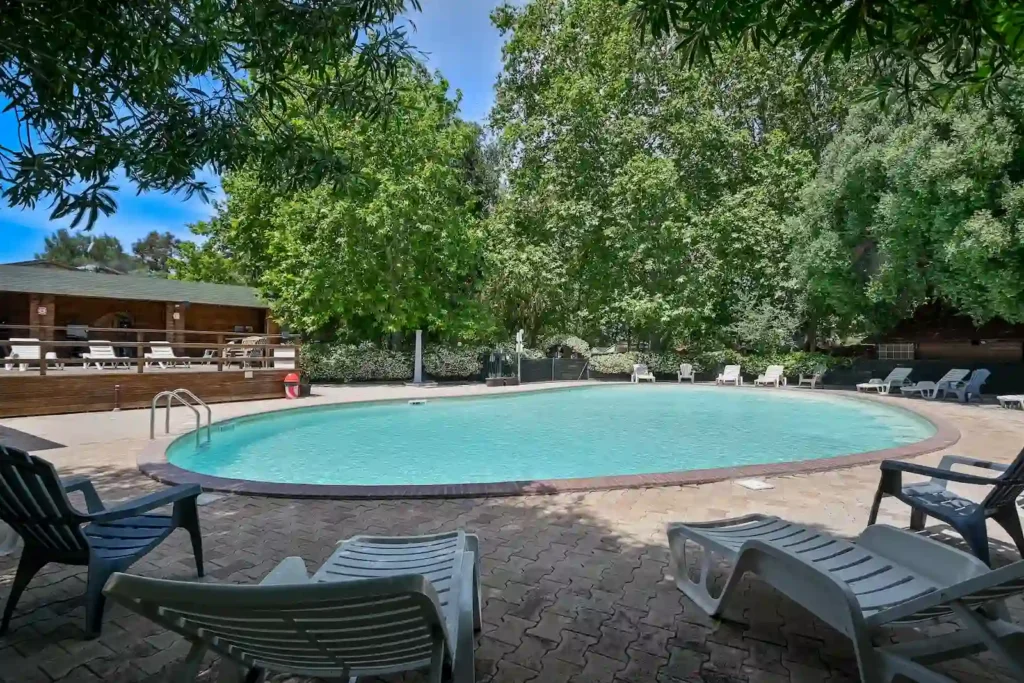
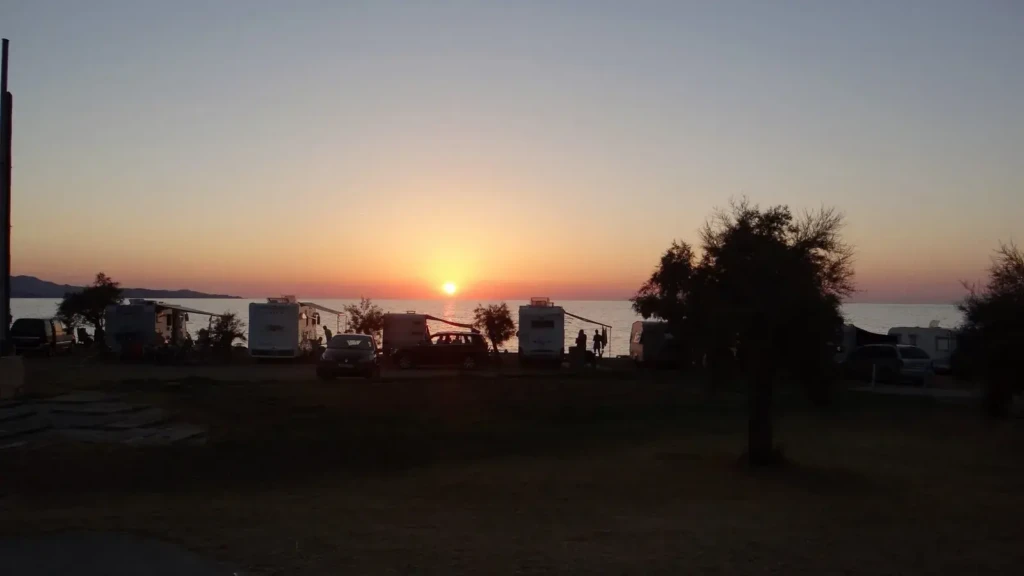
The best campsites near Bastia and Cap Corse
Why Cap Corse is so well discovered from the sea
On the corniche road, the coastline is glimpsed in fragments. By boat, the whole unfolds: marinas nestled at the bottom of a cove, watchtowers perched on each promontory, dark-coloured schist cliffs, deep blue water as soon as you move away from the coast. The seabed is renowned for its transparency, and marine life is rich, which explains the creation in 2016 of the Cap Corse and Agriate Marine Natural Park, covering 6,830 km² of sea.
Pleasure boating is perfectly possible there, but it follows the nature of the place: people come for the ride, swimming at anchor and observation, not for speed. That is also what makes a day trip so charming: an hour of sailing is often enough to change the scenery completely.
Departure ports and villages: where to sail between Bastia and Cap
Here are the areas that most often appear in sea trip itineraries:
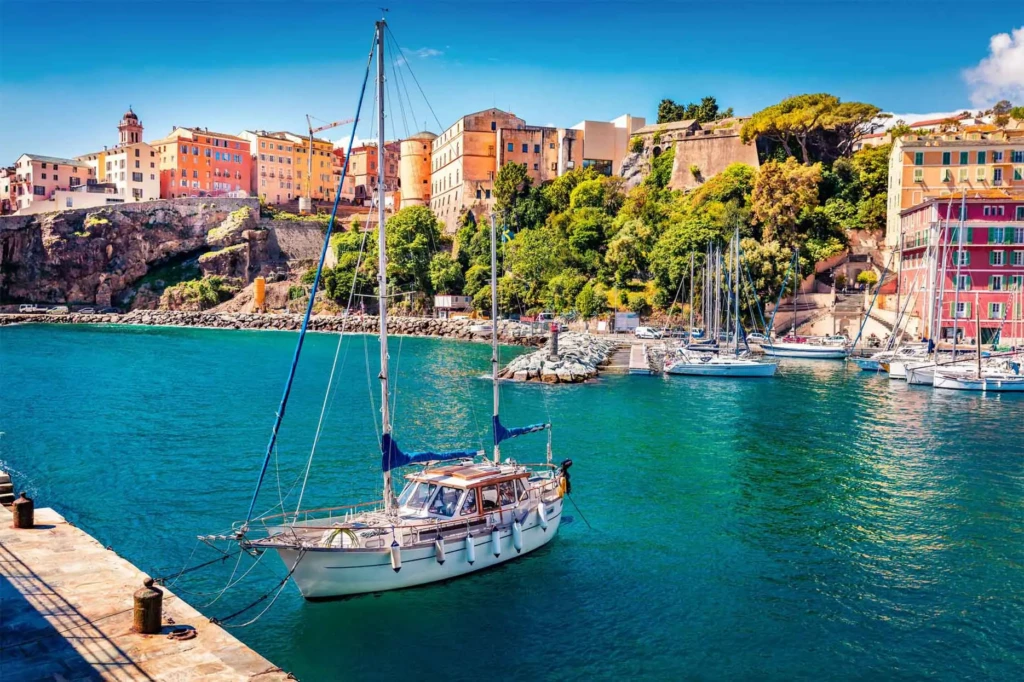
- Bastia and its north coast: the old port and the citadel set the tone, then the coast runs north towards the small marinas.
- Erbalunga: a small harbour nestled beneath a 16th-century Genoese tower, one of the most photographed on the east coast.
- Macinaggio: the large marina on the tip of Cap Corse, a natural starting point for the northern end.
- Centuri: a fishing port with schist houses, on the west coast.
- Nonza: a village perched above a black pebble beach, spectacular when seen from the sea.
- Saint-Florent: the most sheltered bay in the area, gateway to the Agriates coast.
To put names to these stopovers, the pages for Erbalunga and Centuri help you plan your itinerary, while Nonza is worth a stop ashore if time allows.
The east coast: coves, Genoese towers and calm waters
The eastern coast of Cap Corse is the most welcoming for a first outing: exposed to the morning sun, often more sheltered from the prevailing westerly wind, it offers a succession of small bays and anchorages. The villages look like a postcard from the sea: bell towers, tiered houses, watchtowers.
Pushing north, you reach the Barcaggio area, at the tip of Cap Corse. This beach of about 1 km, the northernmost in Corsica, can be reached on foot, by car or by sea, and opens onto a preserved natural area: the page for Barcaggio beach details the site and its access. Opposite, the island of Giraglia marks the northern point of the route.
The west side and the Gulf of Saint-Florent
On the west side, the sea is more exposed, and navigation requires more attention: the coastline is steep, shelters are fewer and the wind can pick up quickly. This is a route to reserve for stable weather and a good reading of marine forecasts.
To the south, the Gulf of Saint-Florent offers a protected body of water, with the island's second marina. The village, capital of Nebbio, can also be visited ashore: the Saint-Florent page presents its citadel and cathedral. This is also where shuttles to the Agriates beaches depart, making it an excellent starting point for a day on the water.
Beaches and coves to reach by sea
Some beaches in the area are particularly beautiful when seen from the sea, or simply easier to reach that way. The Agriates desert, with its 35 km of wild coastline, is the perfect example: the beaches of Lotu and Saleccia can be reached via the customs trail or by sea, in less than half an hour's crossing from Saint-Florent. The Agriates desert is worth preparing in advance, especially regarding access conditions and season.
Respecting the marine park: anchoring, posidonia and protected islets
Sailing in Cap Corse means sailing in a marine nature park. A few essential rules to know before setting sail:
- Never anchor on posidonia, the seagrass that protects the seabed and shelters wildlife. Anchor only on bare sand, preferably in clear water, where the anchor is unlikely to scrape the meadow.
- Do not approach protected islets: the Cap Corse islands nature reserve (Finocchiarola, Giraglia, Capense, Terra, Mezzana) prohibits access to the islets all year round, in particular to protect Audouin's gull.
- Stay alert to temporary decrees: local restrictions on anchoring or swimming may be issued, for example after an incident or to protect a site.
Checks do take place and fines can be very heavy. In practice, the rental company gives you a briefing before departure: it's the right moment to ask all your questions about areas to avoid.
Which boat should you choose for sailing in Cap Corse?
The choice depends above all on your experience and the number of people on board.
- Boat without a licence: at sea, regulations allow anyone to drive a boat with an engine power below 6 CV (4.5 kW) without a licence. These craft are suited to short trips near the coast, with limited range and speed.
- Boat with a coastal licence: above 6 CV, the coastal licence is required. It gives access to more powerful boats, better suited to the distances involved in Cap Corse and to full days of sailing.
- With a skipper: a reassuring option if you don't want to drive or if you want to focus on the scenery.
In all cases, it's best to ask the rental company for the permitted sailing area, the safety equipment provided and the deposit terms.
Beginners and families: preparing well for your first trip
For a first rental, opt for a short trip in the morning, with calm seas and a simple route along the coast. A few habits make the day easier:
- bring water, sunscreen, a hat and a windbreaker, as you quickly feel the temperature difference offshore;
- give a life jacket to each passenger, especially children, and keep it on throughout the trip;
- identify a backup beach or cove before setting off, in case the wind picks up;
- note the marina office number and the VHF channel if the boat is equipped.
To extend the day with young children, the campsites in the area are a convenient base: the Bastia campsites page lists several just minutes from the ports.
When to go: the best season to rent a boat in Cap Corse
The season generally runs from May to September. June and September are often appreciated for already warm sea, fewer people on the water and quieter anchorages. July and August are the busiest: you need to book early and set off early to enjoy the coves before the other boats arrive.
Wind remains the decisive factor in Cap Corse: a perfect day on the east side can be tricky on the west side. Check the marine forecast the day before and on the morning itself, and keep a plan B. If you are planning a longer stay, the article how to visit Cap Corse in 3 days helps fit the boat trip into a full itinerary.
Other activities to combine with a boat trip
A day at sea pairs well with other water-based or outdoor pleasures. For a change of pace, a boat trip lets you sit back and be guided, while kayaking offers another perspective on the coves accessible up close. The seabed around Cap Corse can also be explored by diving, and paddleboarding suits the calm waters of the marinas.