Restaurants on the Eastern Coast
Discover the restaurants in the Eastern Coast region!
Restaurants and activities on the Eastern Coast: between plain, ponds and hinterland
A long coastal strip stretching from Bastia to the gates of Corse-du-Sud, the Eastern Coast was long the agricultural plain of Haute-Corse, before also becoming one of its most extensive tourist areas. This dual identity is reflected at the table: the Corsican gastronomy of this area blends products from the plain, shellfish from the coastal ponds and a more mountainous influence from the neighbouring Castagniccia, in a landscape distinctly more open than in the rest of the department.
Our selection of restaurants for the Eastern Coast

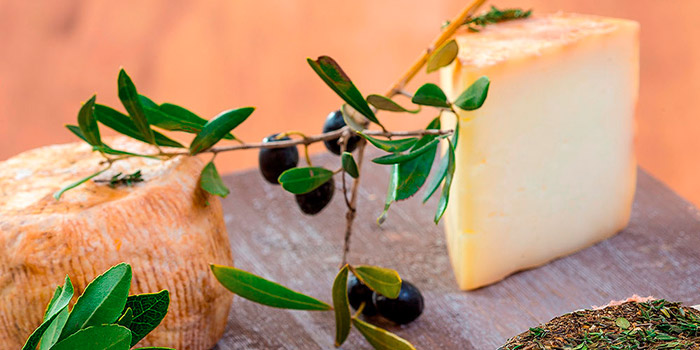
Moulin Oltremonti – Corsican Olive Oil Producer
Moulin Oltremonti – Corsican Olive Oil Producer 📍 Linguizetta, Costa Verde Oltremonti : Looking for…
Discover the activity
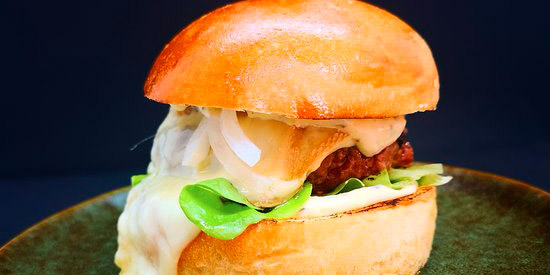
Gozzi Charcuterie Corse
Gozzi Corsican Charcuterie 📍 Moita, Costa Verde Gozzi Charcuterie : The authenticity of traditional farming…
Discover the activityRestaurants & Corsican Gastronomy
Other activities
Gastronomy and restaurants in Corsica
An agricultural plain that long fed the entire department
Unlike Cap Corse or Balagne, the Eastern Coast is characterized by flat terrain, conducive to intensive agriculture that long made it the breadbasket of Haute-Corse. Vineyards, citrus orchards and market gardens occupy much of the plain, between Bastia and the Ghisonaccia area. This agricultural production is found directly on the plates of the sector, with vegetables and fruits that travel significantly less than in the rest of the department.
The long sandy beaches that border this plain also contrast with the rocky coves of Cap Corse or Balagne. This almost continuous coastline, dotted with a few resorts such as Moriani or Bravone, has favored the development of a restaurant offering spread over several kilometers rather than concentrated in a town center as in Bastia or Calvi.
This geographical spread also implies a greater dependence on the car to reach a particular address, unlike the more compact villages in the rest of the department where restaurants are often concentrated on the same square or the same street. It is therefore better to identify a specific area of the coast before setting out in search of a place for dinner, as the distance between two addresses can represent several kilometers on this part of the coastline.
An agricultural plain that long fed the entire department
Unlike Cap Corse or Balagne, the Eastern Coast is characterized by flat terrain, conducive to intensive agriculture that long made it the breadbasket of Haute-Corse. Vineyards, citrus orchards and market gardens occupy much of the plain, between Bastia and the Ghisonaccia area. This agricultural production is found directly on the plates of the sector, with vegetables and fruits that travel significantly less than in the rest of the department.
The long sandy beaches that border this plain also contrast with the rocky coves of Cap Corse or Balagne. This almost continuous coastline, dotted with a few resorts such as Moriani or Bravone, has favored the development of a restaurant offering spread over several kilometers rather than concentrated in a town center as in Bastia or Calvi.
This geographical spread also implies a greater dependence on the car to reach a particular address, unlike the more compact villages in the rest of the department where restaurants are often concentrated on the same square or the same street. It is therefore better to identify a specific area of the coast before setting out in search of a place for dinner, as the distance between two addresses can represent several kilometers on this part of the coastline.
The coastal ponds, a separate terrain for shellfish
- The Diane pond, renowned for oyster and mussel farming since Antiquity
- The Urbino pond, further south, also dedicated to shellfish farming
- Eels and other pond fish, less common on menus but still present in certain traditional establishments
- The sandy beaches that border these ponds, separated from the sea by thin coastal strips
This shellfish tradition, one of the oldest in Corsica, clearly distinguishes the Eastern Coast from the rest of the department: the oysters and mussels farmed there regularly appear on the menus of restaurants located near the ponds, a specificity not found elsewhere in Haute-Corse.
These ponds, separated from the sea by thin strips of sand called lidos, form a particular ecosystem that has shaped the eating habits of the sector since Antiquity, the Diane pond already being exploited in Roman times. Just behind these coastal strips stretch long sandy beaches, listed among others on our page the most beautiful beaches in Corsica, a good way to choose your swimming spot before heading to a nearby restaurant.
The influence of Castagniccia on the tables of the hinterland
Moving away from the coast towards the interior, the Eastern Coast gradually touches Castagniccia, a mid-mountain region historically covered with chestnut groves. This proximity is felt in the villages that make the transition between plain and mountain, starting with Cervione, the former historic capital of Costa Verde. The article discover the village of Campile in Castagniccia allows you to extend the discovery of this neighboring region, more focused on chestnuts and mountain cuisine.
This shift between coast and mountain often happens within just a few kilometers, making it easy to combine a seaside lunch and a more rustic dinner in one of the hinterland villages, or vice versa.
Charcuterie, honey and wines of the eastern plain
As everywhere in Haute-Corse, charcuterie remains essential on the menus of the sector, often served as a starter before a dish more focused on the products of the plain or the ponds. Our article on Corsican charcuterie details the production of these products found throughout the department. Corsican honey also benefits from the plant diversity of the plain and its surroundings, between crops, maquis and wetlands near the ponds, as explained in our page on beekeepers and Corsican honey. The vineyard of the eastern plain, one of the largest on the island, naturally completes these tables with locally produced table wines.
Family-friendly on the Eastern Coast
The flat terrain and long sandy beaches make the Eastern Coast one of the most practical areas for a family stay, with restaurants accustomed to a large summer clientele around Moriani and Ghisonaccia. Many places offer simple dishes for children, and the pace of service generally remains faster than in the hilltop villages of other areas, which suits a wait-free dinner after a day at the beach. The flatness of the terrain also makes it easy to get around by bike between the campsite, the beach and the restaurant, an option appreciated by many families staying in this area.
Car access also remains simpler than in the hilltop villages of other areas, with parking generally available near the most popular spots, a valuable point for families with beach gear to carry. Campers staying near Ghisonaccia will easily find a place close to their accommodation.
Combine your meal with a day of activities
The long beaches of the Eastern Coast are well suited to gentle water activities, especially kayaking, which can be enjoyed both at sea and on certain bodies of water near the ponds. Our page kayaking in Haute-Corse lists the options in the area. To discover all the activities available in the rest of the department, the page activities in Haute-Corse allows you to compare with other areas.
When to go to enjoy the restaurants of the Eastern Coast
Summer remains the liveliest season on this very busy coastline, with the widest range of dining options around the camping areas and beaches. Autumn and winter, on the other hand, correspond to the citrus harvest period in the plain, especially clementines, widely grown in this area, while the oysters and mussels from the ponds remain available for much of the year, with a peak in quality often falling outside the hottest months.
Spring marks the gradual resumption of activity after a low season that is quieter than in the most touristy areas of the department, with the offer expanding week by week as visitor numbers increase along the coast.