Restaurants in Balagne
Discover the restaurants in the Balagne region!
Restaurant activities in Balagne: between hilltop villages and the seaside
Nicknamed the garden of Corsica, Balagne stretches between Calvi and L’Île-Rousse, blending cultivated hills, stone villages clinging to the relief and long stretches of fine sand beaches. This diversity of landscapes is reflected directly on the plate: you can eat both facing the sea and in alleyways perched several hundred metres above sea level, with a Corsican gastronomy marked here by olive oil, farm products and craftsmanship still very present in the inland villages.
Our selection of restaurants for Balagne
Unfortunately no activity was found. Find more activities below!
Restaurants & Corsican Gastronomy
Other activities
Gastronomy and restaurants in Corsica


A farming region that feeds its own tables
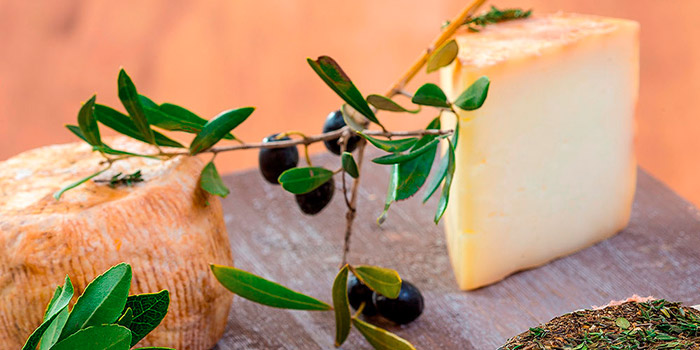
Balagne is historically one of the most cultivated areas of Corsica, with olive groves, vineyards and citrus orchards arranged in terraces on the hills overlooking the sea. This ancient agricultural vocation explains the central place of olive oil in local cuisine, used both as a seasoning and for cooking fish and vegetables. Brocciu, a fresh sheep's or goat's milk cheese, also remains a must, served in a savory version in fritters and in a sweet version in end-of-meal desserts.
This agricultural identity is also reflected in the rhythm of menus according to the seasons: restaurants in the region regularly adjust their offerings according to the harvests, between spring vegetables, summer fruits and citrus fruits that ripen at the end of the year. This logic of seasonality remains more pronounced in Balagne than in other more urban sectors of the department, particularly in establishments located in direct proximity to farms.
The terraced relief of Balagne, inherited from generations of stepped cultivation on the hills, also continues to structure the agricultural landscape visible from most of the perched villages, a setting that pleasantly accompanies a lunch on the terrace during the hottest hour of the day.
A farming region that feeds its own tables
Balagne is historically one of the most cultivated areas of Corsica, with olive groves, vineyards and citrus orchards arranged in terraces on the hills overlooking the sea. This ancient agricultural vocation explains the central place of olive oil in local cuisine, used both as a seasoning and for cooking fish and vegetables. Brocciu, a fresh sheep's or goat's milk cheese, also remains a must, served in a savory version in fritters and in a sweet version in end-of-meal desserts.
This agricultural identity is also reflected in the rhythm of menus according to the seasons: restaurants in the region regularly adjust their offerings according to the harvests, between spring vegetables, summer fruits and citrus fruits that ripen at the end of the year. This logic of seasonality remains more pronounced in Balagne than in other more urban sectors of the department, particularly in establishments located in direct proximity to farms.
The terraced relief of Balagne, inherited from generations of stepped cultivation on the hills, also continues to structure the agricultural landscape visible from most of the perched villages, a setting that pleasantly accompanies a lunch on the terrace during the hottest hour of the day.
The perched villages, the artisanal and gourmet heart of Balagne
- Pigna, a restored village known for its artisan workshops and its musical life
- Sant'Antonino, one of the oldest perched villages in Corsica, classified among the most beautiful in France
- Lumio, Monticello and Speloncato, mid-mountain villages overlooking the bay of Calvi and Île-Rousse
- The producers' markets that regularly set up in the squares of these villages during the season
Many of these villages combine a heritage walk with a gourmet break. The page on the village of Pigna revisits this still-living artisanal tradition, while the one on the village of Sant'Antonino details the history of this medieval ensemble unique in Corsica. More broadly, our page on the must-see villages of Haute-Corse helps identify other similar stops elsewhere in the department.
Between Calvi and Île-Rousse, the table turns toward the sea
On the coastal front, the atmosphere changes completely: marinas, long beaches and an offering more focused on seafood. The bay of Calvi and its surroundings concentrate a large part of the tourist offering in the area, while Île-Rousse retains a slightly more local atmosphere, with its covered market and shopping streets. A little further west, Bodri beach, in Corbara, perfectly illustrates this still-preserved coastline that borders the main resorts of Balagne.
Between these two hubs, the coastal road serves a series of lesser-known small seaside resorts, where the dining offering remains more discreet but is often run by the same families for several generations. It is also on this stretch that you can most easily find places with a direct view of the sunset, as Balagne faces due west along a good part of its coastline.
An excursion to the Agriates desert
On the border between Balagne and Cap Corse, the Agriates desert is a wild interlude often associated with a full day, between hard-to-reach beaches and hiking trails. Many visitors spend the day there before returning to dine on the coast, particularly on the Île-Rousse side. Our article on the Agriates desert details the different ways to discover this preserved territory.
Charcuterie and honey, must-haves even by the sea
Even along the coastal strip, restaurant menus continue to give plenty of room to inland products. Corsican charcuterie, from coppa to lonzu and prisuttu, appears just as often on a sharing board at aperitif time as it does as a starter, as detailed in our article on Corsican charcuterie. Corsican honey, meanwhile, benefits in Balagne from a particularly varied flora combining maquis, olive groves and the surrounding massifs, with flavour profiles that change noticeably from one area to another, as explained on our page about beekeepers and Corsican honey.
This pairing of coastal and inland products remains one of the hallmarks of Balagne cuisine: it is not unusual to see a fish of the day and a plate of charcuterie with sheep's cheese on the same menu, a sign of a region that has always worked in close connection between the coast and the hills overlooking it.
Family time between beach and village
Balagne lends itself well to a family holiday: the resorts of Calvi and L'Île-Rousse offer a varied range of options and are used to welcoming guests with children, while the inland villages provide a quieter setting for a leisurely lunch after a walk. Many families therefore alternate between a quick lunch near the beach and a more relaxed dinner in one of the hilltop villages, where the terraces often offer an open view over the bay below.
The hilltop villages generally require a little more planning with young children, because of the cobbled and sometimes sloping lanes, but in return they offer a setting that is noticeably quieter than the tourist areas along the coast at the height of the season. For an evening without stress, it is better to book in the late afternoon, before the later-arriving clientele accustomed to the villages of Balagne turns up.
Pair your meal with a day of activities in Balagne
The bay of Calvi is renowned for its seabed, making it a particularly sought-after area for diving before ending the day at the table. Our page diving in Haute-Corse lists the main sites in the area. To continue discovering the region as a whole, the article Balagne, everything you need to know about this region offers a complete overview between sea and mountains.
When to go to make the most of Balagne's restaurants
Summer remains the liveliest season, with the widest choice along the coast but heavy crowds around Calvi and L'Île-Rousse. Spring is the period when the previous harvest's olive oil and the region's first vegetables are highlighted on menus, while autumn marks the return of heartier dishes in the inland villages as temperatures drop at altitude.