Route des vins de Patrimonio domaines à visiter, dégustations et idées d’itinéraires
By : November 25th, 2025 Campsites Upper Corsica 0 Comments

The Patrimonio wine route remains one of the most authentic wine tourism experiences in Corsica, revealing an exceptional terroir in the heart of the Nebbio region. This prestigious appellation , recognized as an AOC since 1968, covers 450 hectares between the sea and the mountains, in a breathtakingly beautiful natural setting.
Even in 2025, the Patrimonio wine route is attracting more and more knowledgeable enthusiasts, seduced by the remarkable quality of its wines and the warm welcome of its passionate winemakers.

Be aware that 37 wineries and cellars dot this 60-kilometer route, from Saint-Florent to Patrimonio via Oletta, offering a diverse range of experiences from intimate tastings to in-depth guided tours. This unique wine region combines age-old tradition with modernity , with a strong focus on organic farming that respects the identity of the Corsican terroir.

The Patrimonio AOC appellation: an exceptional island terroir

Patrimonio’s winemaking reputation rests on solid historical foundations and a privileged natural environment which gives its wines a unique personality in the Mediterranean.

History and recognition of the appellation

The Patrimonio AOC holds the distinction of being the first Appellation d’Origine Contrôlée (AOC) recognized in Corsica, obtaining this prestigious designation as early as 1968. This early recognition testifies to the exceptional quality of the wines produced in this region, whose winemaking tradition dates back to Antiquity. Indeed, Roman winemakers already appreciated the wines of this region for their finesse and distinctive character.

Despite the fact that the island went through difficult periods with the ravages of phylloxera and the upheavals of the two world wars, Patrimonio’s viticulture was able to rise from the ashes in the 1960s.

In truth, this renaissance has been accompanied by a remarkable environmental awareness : today, almost the entire vineyard is moving towards organic farming, placing Patrimonio at the forefront of sustainable viticulture.

As an indication, the appellation currently covers seven communes with 33 winegrowers cultivating 450 hectares of vineyards , making it a human-scale appellation that prioritizes quality over quantity. This artisanal approach fosters direct exchanges between producers and enthusiasts , creating a convivial atmosphere that is particularly appreciated by visitors.

Emblematic and characteristic grape varieties of wines

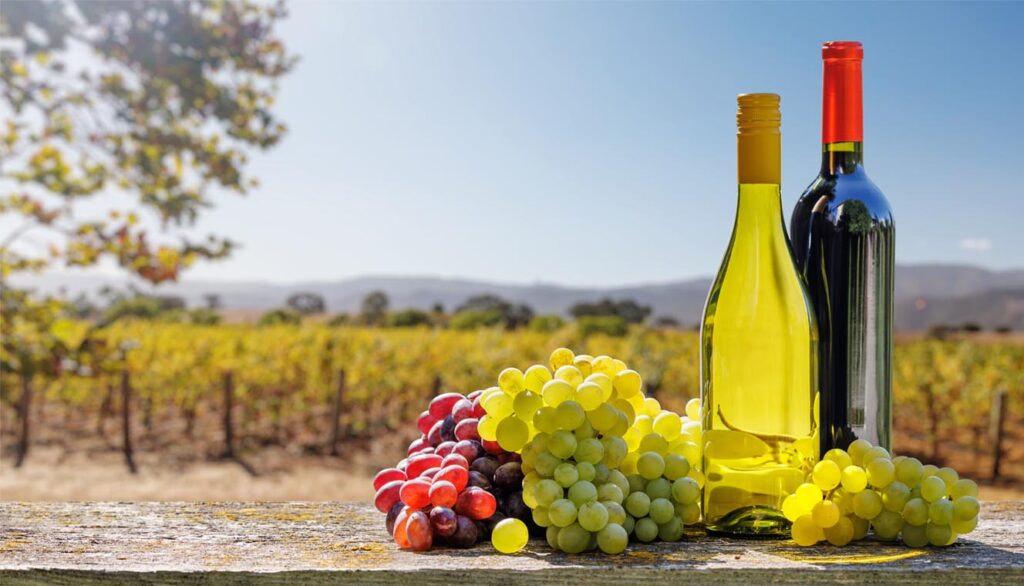
Patrimonio wines derive their unique character from four main grape varieties perfectly suited to the island’s terroir: Niellucciu, Grenache, Sciaccarellu, and Vermentinu. These indigenous or perfectly acclimatized varieties forge the appellation’s unique taste identity .

Niellucciu , the king of Corsican reds, produces structured wines with aromas of red fruit and spice, and remarkable aging potential. However, it is when blended with Grenache that it reveals its full complexity, bringing roundness and generosity to the wines. Sciaccarellu , more delicate, contributes to the elegance of the rosés with its characteristic floral notes.

As for white wines, Vermentinu (Rolle) reigns supreme, producing fresh wines with aromas of citrus and white flowers, enhanced by the minerality of the granite and limestone terroir. It is worth noting that this grape variety thrives particularly well in Patrimonio’s maritime microclimate , tempered by sea breezes that preserve its aromatic freshness.

In addition, the clay-limestone soils enriched with schist and granite, combined with the Sirocco wind that blows all year round, create optimal ripening conditions that temper the summer heat while preserving the balance of the wines.

Must-see wine regions along the wine route

Patrimonio wine route: estates to visit, tastings and itinerary ideas

The diversity of the Patrimonio estates is one of the main assets of this wine tourism route, with each estate bringing its own personal vision of the appellation.

Reference family estates

Domaine Orenga de Gaffory has established itself as a leading producer in the appellation, spanning 56 hectares across five sites in Patrimonio, Saint-Florent, Poggio d’Oletta , Barbaggio, and Oletta. This family estate, certified organic since 2019, perfectly illustrates the balance between tradition and modernity that characterizes contemporary heritage viticulture .

That said, the estate’s philosophy is based on a respectful approach to the terroir, where “nature makes its voice heard and the hand of man is discreet.” Tasters particularly appreciate the Félice cuvée, which won a gold medal with a score of 95.67/100 in 2015, as well as the 2021 organic Patrimonio white, selected as one of the favorites of “L’île aux Trésors” (Treasure Island).

Domaine Yves Leccia has also been a reliable producer within the appellation since 2004. Run by Yves and his wife using organic farming methods, this vineyard is distinguished by the finesse and consistency of its wines. Furthermore, the estate’s commitment to local biodiversity demonstrates a holistic approach to viticulture.

In this regard, Domaine Giudicelli deserves special attention for its biodynamic approach across approximately ten hectares. Muriel Giudicelli produces wines of great complexity in all three colors, offering a particularly rich tasting experience for discerning wine lovers.

Exceptional cellars and wineries to discover

Among the notable wineries, Clos Santini and Domaine Lazzarini consistently feature in the recommendations of specialist guides. These establishments offer in-depth tours that provide insight into the specific technical aspects of winemaking in a Mediterranean climate .

Clos U Suale stands out for its intimate approach and its perfect 5/5 rating on visitor review platforms. This recognition testifies to the quality of the welcome and the expertise shared during the guided tastings.

The 37 cellars and wineries of the appellation offer a remarkable diversity of experiences: from historic estates to recent creations, from family farms to larger estates, each visit reveals a different facet of the heritage personality.

In addition to these established names, several new estates are emerging on the local wine scene, driven by a new generation of winemakers trained in the best French and international schools. This brings a fresh perspective to the potential of the terroir .

Authentic wine tastings and wine tourism experiences

The tasting opportunities in Patrimonio cater to all types of enthusiasts, from the curious novice to the experienced connoisseur, in often enchanting settings in the heart of the vineyards.

Tasting packages offered

Guided tours with tastings are the standard experience offered by most wineries, generally lasting 45 minutes to 1 hour. These sessions allow visitors to discover 3 to 5 wines representative of the winery’s expertise, accompanied by detailed explanations of the winemaking methods and the characteristics of the vintage.

For a more in-depth experience , several estates offer comprehensive wine tourism packages including cellar tours, vineyard walks, and tastings paired with local products. These approximately 3-hour tours provide a complete immersion in the world of winemaking heritage , with opportunities to meet the winemakers and discover traditional winemaking techniques.

That said, themed tastings are gaining popularity: vertical tastings of the same wine across several vintages, explorations of Corsican food and wine pairings, or even introductions to professional tasting techniques. These specialized formats attract a clientele of seasoned enthusiasts seeking enriching experiences.

Note that some estates also organize seasonal events : participatory harvests in the autumn, night tastings under the stars in the summer, or friendly gatherings around a Corsican barbecue accompanied by the estate’s wines.

Corsican food and wine pairings

The art of pairing takes on a special dimension in Corsica, where Patrimonio wines enhance the authentic flavors of the island’s cuisine . The appellation’s red wines, particularly those made from Niellucciu grapes, pair magnificently with wild boar with chestnuts , an emblematic dish of the island.

Patrimonio rosés , renowned for their freshness and elegance, are the perfect accompaniment to seafood specialties: coastal lobsters, grilled fish, or Corsican bouillabaisse. Their aromatic finesse respects the delicate flavors of seafood while providing the necessary structure to support more elaborate dishes .

That said, it is with Corsican charcuterie that Patrimonio wines truly reveal their character: lonzu, coppa, and prisuttu find ideal partners in these wines. The minerality of the whites cleanses the palate between the different specialties, while the fruitiness of the young reds contrasts harmoniously with the richness of the cured meats .

For example, a platter of Corsican cheeses (fresh brocciu, matured goat’s cheese, Papillon roquefort) accompanied by maquis honey constitutes a classic pairing with white wines from the appellation, creating a perfect balance between sweetness and acidity.

Recommended routes and circuits for 2025

Organising a wine tourism tour in Patrimonio requires planning adapted to the length of stay and the specific interests of each visitor.

One-day tour around Patrimonio

A one-day itinerary allows you to discover the essentials of the appellation at a relaxed pace, conducive to conversations with the winemakers. It is recommended to begin the morning with a visit to the village of Patrimonio itself, with its Saint-Martin church and its natural amphitheater, which hosts the Guitar Festival every summer.

The first wine-related stop can be at Domaine Orenga de Gaffory , particularly renowned for its warm welcome and diverse range of wines. This morning visit allows you to grasp the fundamentals of the appellation in excellent conditions of freshness and concentration.

The afternoon can be devoted to discovering two more intimate estates such as Clos U Suale and Domaine Giudicelli, which offer different approaches to heritage viticulture . This diversity of experiences considerably enriches the understanding of the terroir and its multiple expressions.

To conclude this day of discovery , a stop in the village of Oletta or in the hills offering a panoramic view of the vineyards allows you to admire the entire appellation area in the golden evening light . This overall perspective helps to memorize the wine-growing geography and the specific characteristics of each area visited.

2-3 day wine tourism stay

An extended stay allows for in-depth exploration of the entire wine route, including the neighboring appellations of Cap Corse and the estates located near Saint-Florent. This option is particularly suited to enthusiasts wishing to understand the regional nuances of northern Corsican viticulture.

The first day can be entirely dedicated to the heart of the Patrimonio appellation, with 3-4 visits to wineries, interspersed with lunch at a local inn serving traditional Corsican cuisine. This total immersion allows you to appreciate the diversity of styles within the same appellation . Here are the recommended steps to optimize your stay:

  • morning : in-depth visit of 2 reference estates with guided tasting;
  • lunch : local restaurant with heritage wine pairings;
  • afternoon : discovery of more secluded areas and a walk through the vineyards;
  • Evening : dinner in an establishment offering a fine selection of Corsican wines.

The second day can be dedicated to neighboring appellations : Cap Corse to the north with its renowned Muscat wines, or exploring the vineyards of Balagne towards Calvi . This comparative approach enriches the understanding of the specific heritage characteristics.

The third day , if available, allows either further exploration of certain discoveries along the route, or exploration of the cultural and natural aspects of the region: hiking in the maquis, visiting Bastia or Saint-Florent , discovering the preserved beaches of Nebbio .

Practical information for planning your visit

The success of a wine tourism stay in Patrimonio largely depends on the quality of the preparation, particularly regarding seasonality and logistical aspects.

Best times to visit

The optimal season extends from May to October, with marked preferences depending on the purpose of your visit. The months of May and June offer the advantage of vine flowering and mild temperatures, ideal for walks through the vineyards and outdoor tastings.

Summer , particularly July and August, corresponds to the peak tourist season, with the added benefit of cultural events such as the Festival The Patrimonio guitar is a must-see, but advance booking of tours and accommodations is required. High temperatures make tastings preferable in the morning or late afternoon.

However, September and October are undoubtedly the most authentic period, coinciding with the grape harvest and the flurry of activity in the cellars. This season allows visitors to witness the crucial stages of winemaking , with winemakers more available once the grapes are harvested.

It should be noted that the Corsican winter retains its relative mildness, allowing for off-season visits in a more intimate atmosphere, even if some estates reduce their opening hours.

Accommodation and food along the road

The accommodation options in the Patrimonio region favour charming establishments integrated into the wine-growing landscape: guest rooms in renovated former sheepfolds, cottages in the heart of the vineyards, or hotel-restaurants offering local cuisine.

Several wine estates also offer on-site accommodation, allowing for total immersion in the winemaking world: waking up to the rooster’s crow, breakfast overlooking the vines, participation in the estate’s seasonal activities.

Local restaurants emphasize local produce and pairings with wines from the appellation: family-run inns serving traditional cuisine, gourmet restaurants revisiting Corsican classics, or guesthouses at winemakers’ homes offering authentic, convivial experiences .

Regarding practical matters , most estates allow self-guided visits, but booking is strongly recommended, especially during peak season and for groups. Tasting prices generally range from €10 to €25 depending on the chosen package and the estate’s level of prestige.

The Patrimonio wine route has established itself as a major wine tourism destination in the Mediterranean, combining viticultural excellence and island authenticity within a pristine natural setting. This historic appellation , a pioneer of modern Corsican viticulture, now offers a diverse range of wines to suit all types of enthusiasts, from the curious novice to the seasoned connoisseur.

It’s worth noting that the growing commitment of winemakers to organic farming enhances the appeal of this destination for customers seeking sustainability and authenticity. Furthermore, the appellation’s manageable size fosters direct and personalized interactions, creating lasting memories for visitors.

In addition, the gastronomic richness of Corsica finds exceptional partners in the wines of Patrimonio, transforming each tasting into a sensory journey to the heart of the island’s art of living.

In truth, this wine route fits perfectly into a broader exploration of Upper Corsica . It allows you to combine oenological pleasures , cultural discoveries, and a Mediterranean escape in a single enriching and memorable stay.

Bassins naturels de la Restonica et de l’Asco où se baigner en rivière près de votre camping
By : November 25th, 2025 Campsites Upper Corsica 0 Comments

Corsica boasts exceptional aquatic treasures in the heart of its mountains, particularly in the Restonica and Asco valleys. These natural pools, sculpted by time in the granite, offer a welcome respite from the heat, prized by campers and hikers. These crystal-clear natural pools provide an ideal alternative to the crowded beaches of the coast.
The proximity of specialized campsites greatly facilitates access to these natural wonders. By 2025, the conditions for accessing and preserving these sites had changed, requiring appropriate preparation.

Furthermore, water quality is subject to stricter controls by the Corsican health authorities . We’ll guide you here as you discover these havens of peace where swimming in freshwater means a complete change of scenery and respect for the environment.

The Restonica valley: aquatic jewel in the heart of Corsica

The Restonica Valley stands out as one of Corsica’s most remarkable natural sites, classified as a Grand Site de France for its exceptional beauty and ecological fragility. This river originates at an altitude of 1,711 meters on Monte Rotondo.and sculpts a magnificent landscape over 16 kilometers, alternating between steep gorges and natural pools with turquoise waters.

The iconic natural pools of Grotelle

The sheepfolds of Grotelle mark the end of the road and provide the best access to the most beautiful pools in the Restonica Valley. These natural pools follow one another along the river, creating a string of basins with striking blue-green waters. It is worth noting that these geological formations are the result of thousands of years of erosion of the granite by meltwater.

The pools at Grotelle vary in depth, making them suitable for all levels of swimmers. Even in the height of summer, the water temperature remains refreshingly cool, ranging between 16 and 20 degrees Celsius, guaranteeing optimal refreshment. Furthermore, some pools feature natural rock slides, a particular favorite with the more adventurous .

The surrounding vegetation consists mainly of centuries-old Corsican pines and endemic species, creating welcome shade during the intense summer heat . However, it is important to respect this fragile biodiversity, which shelters specific fauna such as the red-spotted brown trout (Macrostigma).

Access and practical advice for the Restonica

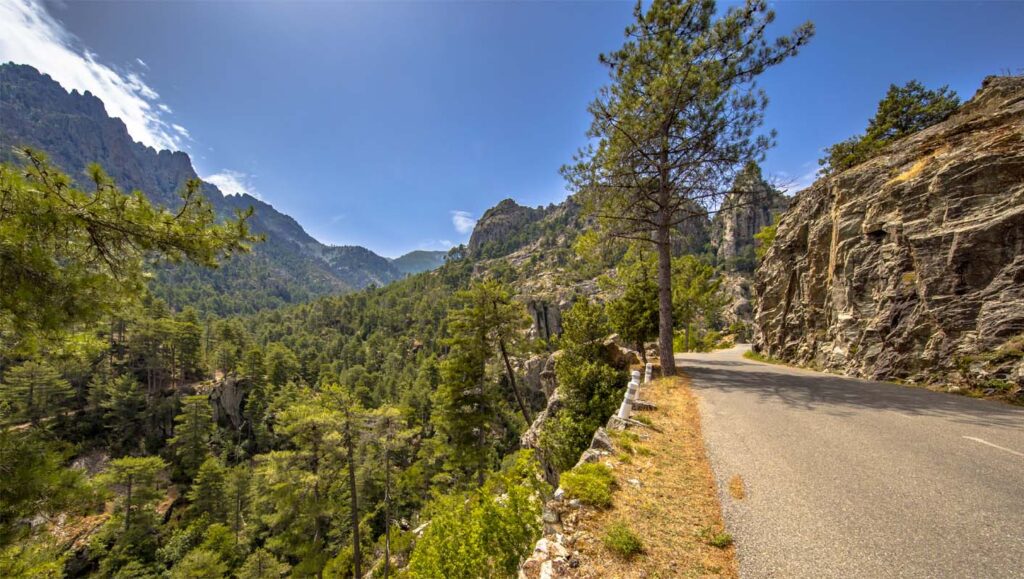
Access to the valley is via a winding 20-kilometer road from Corte, gradually climbing towards the Grotelle sheepfolds. However, a traffic management system restricts car access during peak season , with limited parking. Therefore, it is strongly recommended to arrive early in the morning, ideally before 9:00 AM, to guarantee a parking space.

The access path to the pools from the Grotelle car park presents no technical difficulties, requiring only a few minutes’ walk on stable ground. Therefore, access remains possible for families with children, provided they maintain constant vigilance near the water.

It’s important to know that the summer crowds can significantly disrupt the tranquility of the area, especially in July and August. However, by exploring slightly upstream or downstream, you can discover more secluded pools perfect for a peaceful swim . Furthermore, early morning visitors or those who prefer late afternoon generally enjoy optimal conditions.

The Asco Gorge: a preserved haven with crystal-clear waters

Natural pools of the Restonica and Asco rivers where you can swim near your campsite

The Asco Valley is a wilder and less frequented area than the Restonica, offering swimming experiences in a pristine natural setting. This mountainous region in northwest Corsica reveals spectacular gorges where water has carved perfectly shaped pools into the pink granite.

The most beautiful natural pools of Asco

The Asco gorges are home to several remarkable swimming spots, particularly around the famous Genoese bridge that spans the river in a picturesque setting. These natural pools are characterized by their exceptionally clear waters and generous size, allowing for proper swimming.

The Genoese bridge serves as the main landmark for locating the best swimming spots. The rocky surroundings also offer numerous places to settle in comfortably, with welcome natural shade during the hottest hours. It’s worth noting that the depth of some pools allows for safe diving for experienced swimmers.

The waters of the Asco River remain consistently cool, even in summer, with temperatures slightly lower than those of the Restonica River. This characteristic guarantees optimal refreshment on hot days. Furthermore, the crystal-clear water allows for observation of local aquatic life and underwater rock formations.

Routes and recommendations for discovering Asco

Access to the gorge is via a 14-kilometer mountain road from the village of Asco, with some narrow sections. This winding road traverses magnificent landscapes with breathtaking views of the surrounding mountains. Furthermore, the occasional presence of free-roaming cows necessitates careful and respectful driving.

Parking is available in a small car park equipped with recycling bins, located approximately 3 kilometers past the village of Asco. From this point, motorized access to the Genoese bridge is prohibited, requiring a walk of about 15 minutes on a paved road followed by a nature trail. This regulation aims to preserve the site and ensure visitor safety .

It is essential to wear appropriate footwear for walking on the rocks and in the water, which is particularly important given the stony nature of the riverbed. Furthermore, exploring the surrounding area allows you to discover more secluded spots away from the tourist crowds, for an authentic experience of communion with nature .

Accommodation and campsites near water parks

The proximity of specialized accommodations is a major advantage for fully enjoying the natural pools of the Restonica and Asco rivers. These establishments offer services tailored to those who enjoy river swimming and canyoning.

Campsites on the edge of the Restonica

Camping Alivi Di A Restonica enjoys an exceptional location directly on the riverbank, just a 10-minute walk from the historic center of Corte. This 82-pitch campsite offers direct access to the crystal-clear waters of the Restonica River, in a setting shaded by centuries-old olive trees .

It’s worth noting that this strategic location allows you to reach natural pools in just a few minutes. Restonica Campground is another excellent option, with its green grounds situated directly on the riverbank.

As a result, campers enjoy immediate access to fishing and swimming in a peaceful and relaxing environment. Furthermore, this 2-star campsite offers well-shaded pitches with electrical hookups .

These specialized establishments emphasize authenticity and respect for the natural environment. That said, they offer essential amenities: a snack bar with a terrace, free Wi-Fi access, and nearby shops for basic necessities. Their central location also makes exploring all of Corsica easy, as they are equidistant from the island’s main attractions.

Accommodation options near Asco

The Asco region offers more dispersed accommodations, reflecting the wilder character of this mountain valley. The village of Asco itself is home to a few family-run establishments that prioritize authenticity and contact with the local nature.

The campsites in the region are mainly located within a 25-kilometer radius of the gorges, offering a good compromise between proximity to swimming spots and a variety of services. Some establishments offer shuttle services or personalized advice to help you make the most of your visit to the natural pools .

It should be noted that limited accommodation capacity in this area necessitates advance booking, particularly during the peak tourist season. However, this limitation helps preserve the wild and authentic character of the Asco Gorge, guaranteeing a more intimate experience with Corsican nature.

Safety and preservation of the natural environment

Swimming in rivers requires specific precautions that differ from those taken in the sea. The increase in drownings in rivers observed in 2025 underscores the importance of heightened vigilance in these natural environments .

Safety rules for swimming in rivers

National statistics reveal a worrying increase in drownings in waterways, particularly among children and adolescents. Note that 43% of child drownings in 2025 will occur in this type of environment, compared to only 21% the previous year.

Therefore, constant supervision of young children is absolutely essential. The specific characteristics of Corsican rivers require particular vigilance:

  • unpredictable currents linked to variations in flow rate;
  • the particularly cool water temperature can cause cramps;
  • slippery rocks and uneven bottoms;
  • the lack of organized surveillance, unlike on beaches;
  • sudden variations in water level depending on weather conditions.

This list underlines the importance of proper preparation and constant assessment of conditions before any launch.

It is essential never to swim alone and to always signal your intentions to others. In addition, it is advisable to avoid consuming alcohol before swimming and to respect your physical limits, particularly in cold water which can impair your swimming ability.

Respect for sites and eco-responsibility

Preserving natural watersheds is crucial to maintaining their beauty and accessibility for future generations. These fragile ecosystems are under increasing pressure due to rising tourism.

Eco-friendly practices include using only biodegradable sunscreens, showing absolute respect for the surrounding vegetation, and systematically collecting all waste. Furthermore, it is essential to avoid disturbing local wildlife, particularly endemic trout and nesting birds .

Limiting noise and respecting the tranquility of the area also contribute to the preservation of these natural environments. Good to know: some sites are subject to specific regulations during the local wildlife breeding seasons. Ultimately, each visitor becomes an active participant in the conservation of these natural treasures through their individual behavior.

Additional activities and visitor tips

Beyond simply swimming , the Restonica and Asco valleys offer numerous activities that enrich the experience of discovering these exceptional areas. These additional activities transform a simple dip into a true nature adventure .

Water hiking offers a unique way to explore natural pools by following the course of rivers. This activity, also known as gentle canyoning , allows you to access less frequented pools while enjoying a fun and refreshing experience . However, this activity requires appropriate equipment and ideally the accompaniment of an experienced guide.

The hiking trails starting from the natural pools offer access to exceptional panoramic views of the Corsican mountains. For example, from the Grotelle sheepfolds, the trails lead to the Melo and Capitello lakes .They offer stunning alpine scenery and are renowned hiking destinations. Similarly, the Asco gorges serve as a gateway to the GR20 and its legendary stages.

River fishing is a popular complementary activity, particularly for observing the endemic red-spotted brown trout (Trobo macrostigma). This activity requires adherence to local regulations and specific opening seasons.

It must be said that nature photography finds exceptional subjects in these environments, between crystalline reflections, sculpted rock formations, and endemic vegetation. The morning and evening light conditions particularly reveal the beauty of these natural settings .

The natural pools of the Restonica and Asco rivers are prime destinations for freshwater swimming enthusiasts seeking the authenticity and wild beauty of inland Corsica. It should be noted that these exceptional sites require a respectful and well-prepared approach to ensure both visitor safety and the preservation of the ecosystems .

In addition to all this, the proximity of specialized campsites makes it easy to organize trips dedicated to discovering these aquatic wonders. Keep in mind that the evolving regulations and access conditions in 2025 reflect a commitment to reconciling sustainable tourism with environmental protection. These havens of tranquility offer an attractive alternative to coastal beaches, in a pristine mountain setting where natural beauty rivals the most stunning island locations. Ultimately, careful planning of your stay, adherence to safety guidelines and the adoption of eco-responsible behaviors guarantee a memorable experience in these natural jewels of Corsica, true sanctuaries of beauty and serenity in the heart of the Mediterranean mountains .

Où aller en Haute-Corse
By : November 6th, 2025 Campsites Upper Corsica 0 Comments

Exploring Upper Corsica reveals an exceptional region where rugged mountains , unspoiled coastlines, and timelessly charming villages blend harmoniously . Located in the north of the island, Upper Corsica is an ideal destination for camping enthusiasts seeking authenticity and a change of scenery, thanks to the remarkable diversity of its landscapes.
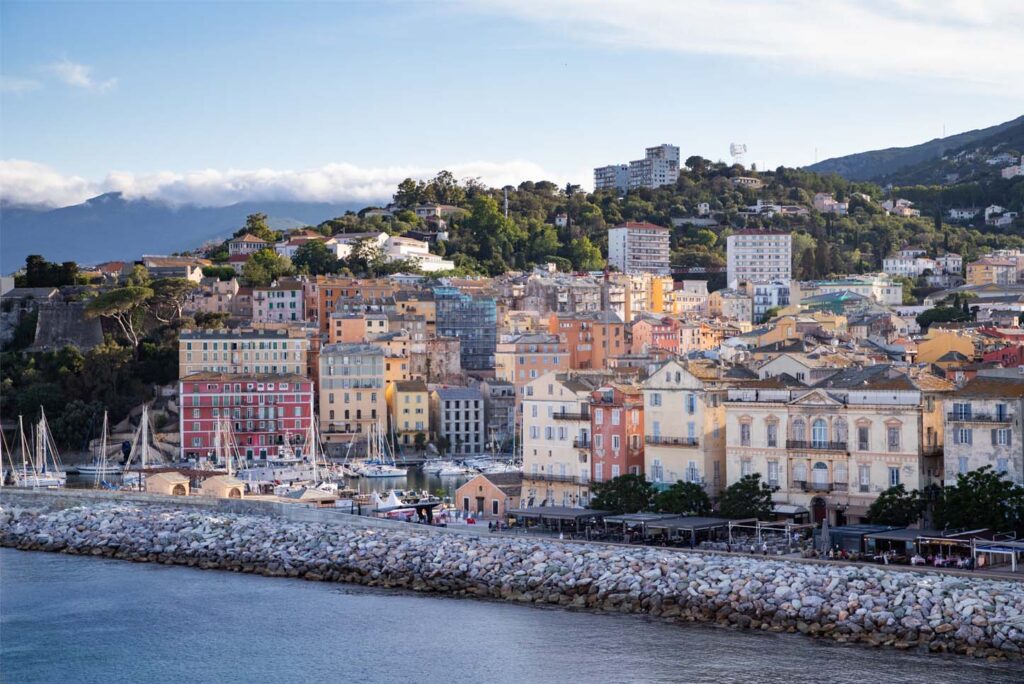
For an optimal stay, a good understanding of local characteristics is essential. This region offers a perfect balance between relaxing on its unspoiled beaches and nature adventures in its mountain ranges.

It’s worth noting that camping options allow for total immersion in this exceptional setting, while keeping costs down. This detailed guide will help you discover the must-see sites and provide all the practical advice you need for a successful Corsican getaway.

The coastline of Upper Corsica: between wild beaches and secret coves

The coastline of Upper Corsica unfolds its wonders over more than three hundred kilometers of varied shores. Indeed, this geographical diversity allows all tastes to be satisfied, from lovers of long stretches of fine sandy beaches to explorers of secluded coves nestled at the foot of impressive cliffs.

The east coast and its family-friendly beaches

The east coast is a paradise for families with children thanks to its long stretches of sand and shallow waters. It’s worth noting that the Moriani-Plage and San-Nicolao area offers numerous well-equipped campsites, ideally located just steps from beaches renowned for their safety and cleanliness.

Imagine how these establishments perfectly combine modern comfort with a close connection to nature, allowing you to wake up to the sound of the waves. Furthermore, this area benefits from a privileged microclimate with less wind than the west coast, creating ideal conditions for seaside activities .

As an example, Pinia beach stretches for several kilometers in a preserved setting, bordered by umbrella pines that provide welcome natural shade during the hot hours.

Cap Corse and its magnificent landscapes

On the other hand, Cap Corse reveals a wilder, more authentic side of the coastline. This mountainous peninsula, plunging into the Tyrrhenian Sea, is home to breathtakingly beautiful sites like Saleccia beach , accessible only on foot or by boat from Saint-Florent. This unique approach preserves the pristine character of the area and guarantees a truly unforgettable experience for adventurous campers .

Despite the fact that accommodation in this region is more rustic, the campsites of Cap Corse compensate with exceptional views and absolute tranquility. Waking up to the sunrise over the Mediterranean from a campsite perched on the heights of Macinaggio or Barcaggio is an unforgettable experience for any lover of unspoiled nature .

The mountainous interior: a paradise for hikers and nature lovers

Où aller en Haute-Corse

The interior of Upper Corsica reveals breathtakingly diverse landscapes, alternating between verdant valleys, high-altitude lakes, and vertiginous peaks. It’s worth noting that this mountainous region offers camping experiences entirely different from those found on the coast, in exceptional settings conducive to both contemplation and adventure.

Corte and the Restonica gorges

Corte , the former capital of independent Corsica, is the ideal starting point for exploring the wonders of the hinterland . The town itself, with its hilltop citadel, university, and museums dedicated to Corsican history, is well worth a visit. However, it is the Restonica Gorge that truly attracts campers seeking respite from the heat and wide-open spaces.

As a guide, campsites located in the Restonica Valley offer privileged access to the glacial lakes of Melo and Capitello , jewels of the Corsican high mountains. These exceptional natural sites , accessible after a few hours’ hike, reward the effort with breathtaking panoramas and crystal-clear waters perfect for a refreshing swim .

The GR20 and the mountain huts

For experienced hikers , Upper Corsica is home to a section of the legendary GR20, considered one of the most beautiful but also most demanding trails in Europe. Furthermore, this north-to-south traverse of the island crosses landscapes of breathtaking wild beauty, alternating between Corsican pine forests , high-altitude lakes, and spectacular rocky ridges.

Although the full route requires excellent physical fitness, there are many more accessible variations that allow you to experience the magic of these peaks. In addition, several campsites and mountain huts dot the route, allowing you to discover this exceptional natural landscape in stages, adapting the effort to your personal abilities.

Hilltop villages and authentic cultural heritage

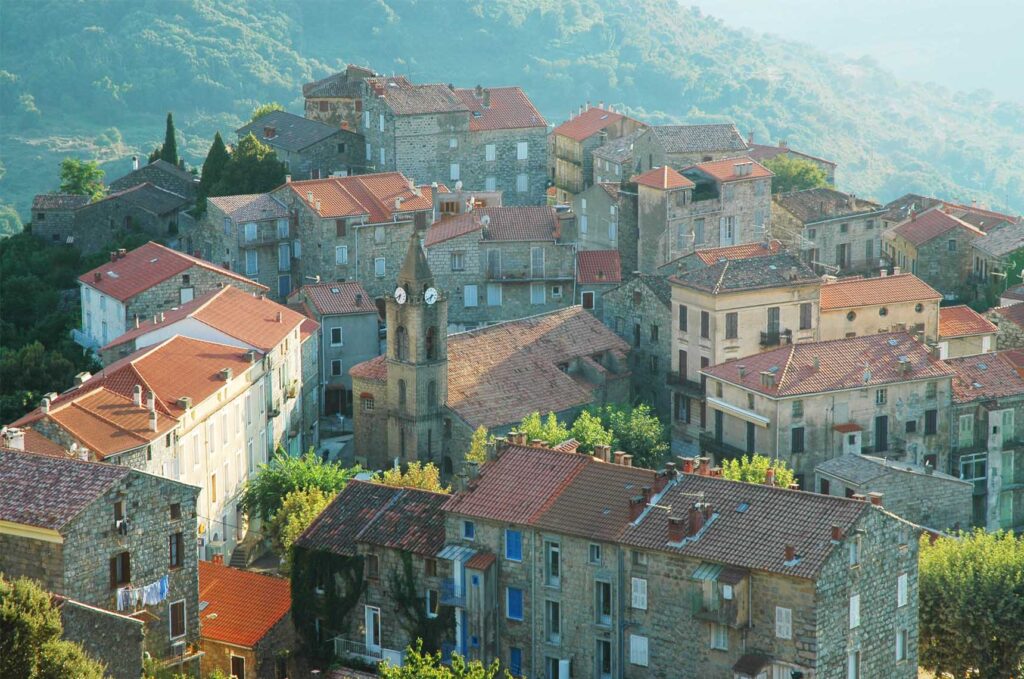
Upper Corsica boasts exceptional heritage treasures in its numerous hilltop villages, testaments to a rich history and a preserved way of life. These authentic villages, often perched on mountainsides for protection against pirate attacks, are today captivating cultural destinations for campers eager to immerse themselves in the true essence of the island.

Balagne and its art villages

Balagne region, nicknamed the “garden of Corsica,” boasts a remarkable concentration of exceptional villages. Sant’Antonino, Pigna, Corbara, and Speloncato, among others, vie for charm with their cobbled streets, centuries-old stone houses, and artisan workshops perpetuating ancestral traditions.

That said, camping in this region makes it easy to explore these various heritage gems while enjoying the proximity of the beaches of L’Île-Rousse and Calvi. Furthermore, many campsites in the Balagne region offer shaded pitches under centuries-old olive trees, creating an authentically Mediterranean atmosphere for summer evenings.

Cap Corse and its Genoese towers

The architectural heritage of Cap Corse bears witness to the island’s turbulent history through its numerous Genoese towers that dot the coastline. It is worth noting that these stone sentinels, built in the 16th and 17th centuries to monitor maritime approaches, now offer exceptional viewpoints overlooking the Mediterranean Sea .

However, beyond these historical monuments, it is above all the fishing villages like Centuri , Macinaggio , and Rogliano that captivate visitors with their preserved authenticity. For example, the port of Centuri maintains a traditional lobster fishing industry, allowing campers to enjoy exceptionally fresh products directly from the local fishermen.

Activities and leisure for all types of campers

The diverse landscapes of Upper Corsica naturally translate into a wealth of activities to suit all tastes and abilities. This region offers the opportunity to create a personalized stay, blending relaxation, exploration, and thrills, according to each individual’s desires.

Water sports and marine activities

The coastline of Upper Corsica offers an exceptional playground for all water sports. The wind and sea conditions, particularly favorable in the Gulf of Saint-Florent and around Île-Rousse, attract windsurfers, kitesurfers, and sailors from all over the world. At the same time, the clarity of Corsican waters reveals remarkably rich marine life, perfect for scuba diving and snorkeling .

Many seaside campsites now have partnerships with local water sports centers, making it easier for their residents to access these activities. Moreover, the availability of on-site rental equipment eliminates transportation constraints, making these water activities accessible even to novices.

Hiking and nature discovery

Hiking enthusiasts will find inexhaustible terrain for exploration in Upper Corsica. Imagine, the network of marked trails allows you to discover all the island’s ecosystems, from easy coastal paths to high mountain routes reserved for experienced hikers.

It’s worth noting that the coastal path, which circles Cap Corse, offers a perfect balance between moderate exertion and breathtaking scenery . However, exploring the inland mountains reveals even more impressive wonders. There, you can discover the Tavignano gorges, the English waterfalls near Vizzavona, or the high-altitude sheepfolds where ancestral pastoral traditions are still alive.

These sites offer a complete immersion in authentic Corsica, far from the traditional tourist areas . To make the most of these nature discoveries, here are the essential items to include in your equipment:

  • shoes suitable for rocky terrain ;
  • water supplies in sufficient quantity (sources are scarce);
  • sun protection at altitude;
  • camera to capture the panoramas;
  • IGN map or reliable GPS application.

This meticulous preparation guarantees safe outings and allows you to fully enjoy the natural wonders hidden in every corner of Upper Corsica.

Practical tips for a successful camping trip in Upper Corsica

Organizing a camping trip in Upper Corsica requires some specific precautions due to the island’s unique geography and climate. It’s worth noting that these preparations, far from being burdensome, actually help to optimize the experience and avoid any inconveniences that could spoil the enjoyment of your holiday.

Choose the period and book in advance

Seasonality plays a crucial role in the success of a camping trip in Upper Corsica. July and August see the highest visitor numbers, leading to overcrowding of the best pitches and inflated prices . However, May, June , September, and October reveal the island at its best, with mild temperatures, more manageable crowds , and more affordable prices.

Furthermore, advance booking is essential, especially for the best-located campsites, particularly those with direct beach access or pitches offering panoramic views. It’s worth noting that quality campsites are often fully booked several months before the summer season , especially for stays of a week or more.

Anticipate the specific characteristics of the Corsican terrain.

The rugged terrain of Upper Corsica necessitates some adjustments to your camping gear for optimal comfort. Be aware that pitches aren’t always perfectly level, sometimes requiring leveling blocks for caravans and motorhomes. Furthermore, the rocky nature of the ground can make anchoring tents difficult, making reinforced tent pegs and a sturdy mallet essential.

It is also wise to pack clothing suited to the significant temperature variations between the coast and higher altitudes, or between day and night. For example, an early morning outing in the mountains might require a fleece, while an afternoon at the beach calls for maximum sun protection.

This versatile clothing ensures comfort in all situations. Key points to remember for a successful camping trip:

  • check the campsite capacity according to your dates;
  • find out about available services (wifi, laundry, shops);
  • plan for versatile sea-mountain equipment;
  • strictly adhere to environmental regulations ;
  • sample local specialties in village markets.

These few precautions transform the camping trip into an authentic and memorable experience , revealing all the facets of this endearing and preserved Upper Corsica.

Upper Corsica stands out as an exceptional camping destination, combining diverse landscapes, rich culture, and preserved authenticity. This northern region of the island caters to all types of campers , from families seeking safe beaches to adventurers drawn to rugged peaks.

It’s worth noting that the success of a trip depends on careful preparation, taking into account the island’s specific characteristics and its pronounced seasonality. Furthermore, the trip is much more enjoyable if you respect the environment and are open to talking with the locals.

Whether you choose the secret coves of Cap Corse , the perched villages of Balagne or the high-altitude lakes of Restonica , each destination reveals a unique facet of the Corsican soul, creating lasting memories for all lovers of nature and escape.

Quelle est la principale ville de la Haute-Corse
By : November 6th, 2025 Campsites Upper Corsica 0 Comments

Upper Corsica is captivating for its geographical and cultural diversity, but one question often arises among visitors: what is its main city? Bastia undoubtedly stands out as the department’s metropolis , boasting forty-seven thousand inhabitants and its status as the prefecture. That said, note that this port city alone does not represent the richness of Upper Corsica .
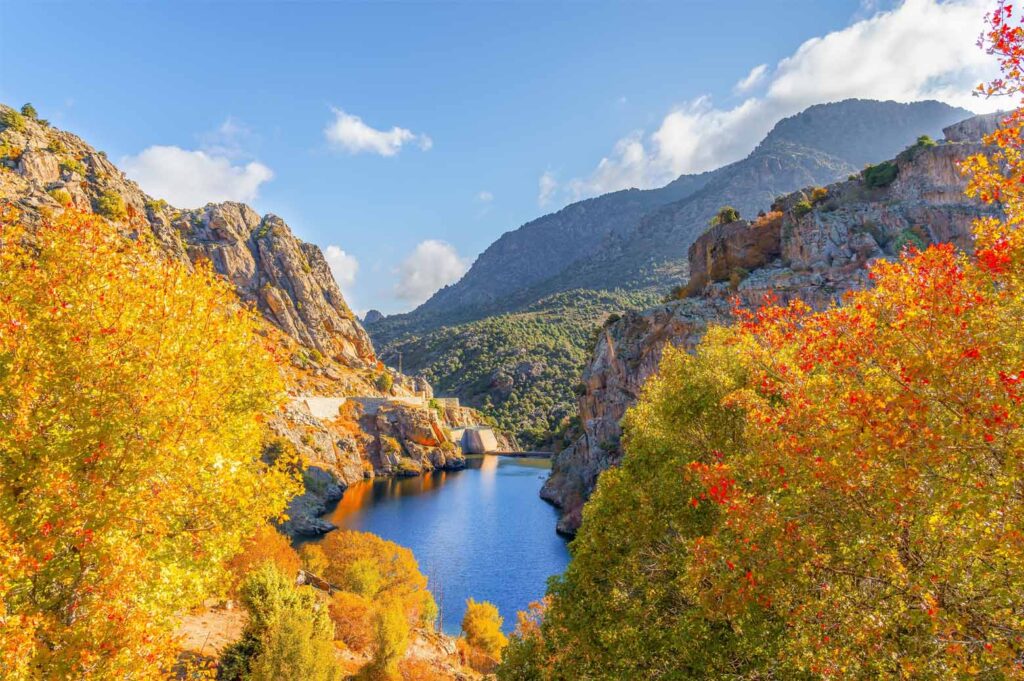
Meanwhile, other towns like Corte , Calvi , and L’Île-Rousse contribute to the appeal of this exceptional region. For camping enthusiasts , Upper Corsica offers an ideal setting between the sea, the mountains, and authentic charm. This guide reveals the unique features of Bastia , explores other important urban centers, and explains why Upper Corsica is a prime destination for your camping holiday.

Bastia, the undisputed capital of Upper Corsica

It is true that Bastia largely dominates the urban landscape of Upper Corsica due to its size, economic influence, and administrative role. This port city alone accounts for more than a quarter of the department’s population , confirming its status as an essential regional metropolis.

History and administrative influence of Bastia

Founded in 1378, Bastia takes its name from the Genoese fort that once protected the port. It is worth noting that the city served for a long time as the administrative capital of all of Corsica, before the creation of the two current departments . Nevertheless, it retains its influence today as the prefecture of Haute-Corse , concentrating public services and departmental institutions .

For example, the port of Bastia remains the most important in Corsica with over four million passengers annually, making the city the main gateway to the island from Italy and mainland France . Furthermore, Poretta International Airport reinforces this position as a transport hub, serving major European destinations.

Demographics and economic importance

The figures speak for themselves: with 47,459 inhabitants according to the latest INSEE data, Bastia far surpasses all other municipalities in Haute-Corse . It should be noted that this population is concentrated in a relatively small area , creating an urban density unique on the island.

In addition, the Bastia agglomeration includes several peripheral municipalities such as Borgo, Biguglia or Furiani, bringing the metropolitan area to more than seventy thousand inhabitants .

Bastia’s economic activity extends far beyond the city limits . Moreover, the city hosts the headquarters of numerous Corsican companies, regional administrations, and concentrates a significant portion of the department’s employment.

It must be said that its commercial port generates considerable economic activity, while the tourism sector relies on a remarkable architectural heritage and a privileged geographical location .

Other important towns in Upper Corsica

Quelle est la principale ville de la Haute-Corse

Although Bastia is a major hub in Upper Corsica, the department has other important cities that play a crucial role in its dynamism and human geography.

Corte, the former historical capital

Corte holds a special place in the hearts of Corsicans. It’s worth noting that this town of 7,737 inhabitants was the capital of the Corsican Republic under Pascal Paoli in the 18th century . That said, its influence extends far beyond its small size thanks to its university and its role as an island cultural center.

Located in the geographical center of the island, Corte forms a natural crossroads between all the regions of Corsica. The town is home to the Museum of Corsica and numerous cultural institutions, making it a hub of intellectual influence. Furthermore, its strategic position makes it an ideal starting point for exploring the surrounding mountain ranges, particularly the valley of the Restonica and its glacial lakes.

Calvi and L’Île-Rousse, seaside jewels of the Balagne

The Balagne region is centered around two complementary urban hubs: Calvi and L’Île-Rousse . Calvi, with its 5,720 inhabitants, stands out as the tourist capital of the west coast thanks to its Genoese citadel and fine sandy beaches . Furthermore, its marina and airport make it a prime destination for upscale tourism .

L’Île-Rousse , smaller with its 3,213 inhabitants , is nonetheless attractive thanks to its authentic charm and renowned beaches. For example, this seaside resort, created by Pascal Paoli, retains a unique architectural character with its buildings constructed from local red stone. Moreover, its central location in the Balagne region facilitates access to the hilltop villages of the hinterland and the unspoiled beaches of the coast .

These two towns form a complementary tourist pairing : Calvi emphasizes lively atmosphere and modern amenities, while L’Île-Rousse focuses on authenticity and tranquility. This diversity caters to the varied expectations of visitors seeking a seaside getaway .

Why choose Upper Corsica for camping?

Upper Corsica offers undeniable advantages for camping enthusiasts, combining diverse landscapes, rich culture, and well-developed infrastructure. It’s worth noting that this destination caters to both families and solo adventurers.

Diversity of environments and accessibility

The department offers an exceptional variety of settings for camping. Campers can choose between seaside pitches on the eastern coast, mountain sites near Corte , or family-friendly campsites in the Balagne region. This diversity allows everyone to tailor their stay to their individual preferences.

Furthermore, the accessibility of Upper Corsica is a major advantage. Ferries from Marseille, Nice, and Livorno converge on Bastia, making it easy to transport motorhomes and caravans . In addition, the departmental road network, while winding, provides good access to the main camping areas.

Tourist infrastructure and services

The quality of hospitality in Upper Corsica is based on a long tradition of tourism. Many campsites offer services tailored to families: playgrounds, swimming pools, entertainment, and kids’ clubs. However, campers seeking a more authentic experience will also find what they’re looking for in simpler establishments , closer to nature. Local services greatly facilitate camping holidays.

  • food shops are well distributed across the territory;
  • local markets offering Corsican specialties;
  • service stations and garages for vehicle maintenance;
  • tourist offices providing advice and information;
  • medical centers for health security families .

This infrastructure allows you to fully enjoy your vacation without major logistical constraints, while discovering the natural and cultural riches of the department .

Bastia is undeniably the main city of Haute-Corse, combining demographic weight, administrative role, and economic importance. It should be noted that this preeminence does not diminish the contribution of other urban centers such as Corte , Calvi , or L’Île-Rousse , each bringing its own unique character to the department.

It’s worth noting that for camping enthusiasts in Upper Corsica , this urban diversity is complemented by exceptionally rich landscapes and culture . Furthermore, the well-developed tourist infrastructure and the department’s accessibility make it a prime destination for discovering the authentic North Corsica.

Whether you are looking for the urban activity of Bastia , the historical charm of Corte or the seaside gentleness of Balagne, Upper Corsica reveals a thousand facets to explore from your campsite, between azure sea and majestic mountains .

Quelle est la différence entre la Corse du Nord et la Corse-du-Sud ? Camping Haute Corse
By : October 31st, 2025 Campsites Upper Corsica 0 Comments

Comparing Upper Corsica and Southern Corsica is like exploring the island’s multifaceted soul, as each region offers its own unique landscapes , traditions, and atmosphere. That said, it’s worth noting that both sides remain incomparably beautiful, captivating, and offer a complete change of scenery: from the rugged coastline of the Balagne to the white cliffs of the South, every traveler can create an itinerary tailored to their own tastes.
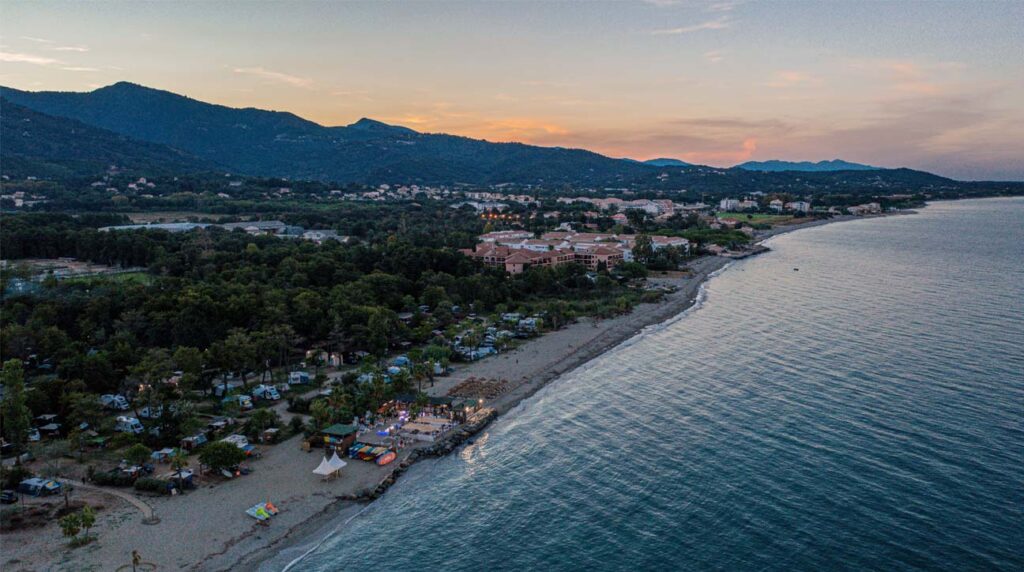
nature and local culture firsthand , whether in the eucalyptus forests of the north or on the fine sandy beaches of the south. It’s worth noting that the North/South debate will always be lively: diverse landscapes, a unique welcome, a relaxed lifestyle, and microclimates—Corsica is something to be explored, experienced, and never truly compared to other places. This guide unravels every nuance to help you choose: a holiday, a permanent stay, or simply a visit of curiosity.

Landforms, atmospheres and landscapes: the essence of each region

Haute-Corse and Corse-du-Sud each captivate with their own rhythm and light . It should be noted that the north, often wilder, offers a rare authenticity: winding roads, high-altitude villages, fragrant maquis, secluded beaches and nearby mountains .

The south, meanwhile, boasts iconic beaches, spectacular cliffs (Bonifacio), lush forests (Bavella), and emblematic seaside resorts. However, the contrast isn’t stark: each “canton” of the island offers the charm of village squares, the conviviality of local markets, and a distinct culture specific to each valley .

Camping experiences vary: on the north side, intimate areas are often preferred , in the heart of the pine forest or near secret coves; on the south side, the trend is towards large, well-equipped campsites with a family and festive atmosphere, but also towards discreet ecotourism around Porto-Vecchio and Bavella .

Atmosphere, lifestyle, tourism: Rustic North, sunny South?

Quelle est la différence entre la Corse du Nord et la Corse-du-Sud ? Camping Haute Corse

Northern spirit: authenticity, encounters, diversity

It must be said that Upper Corsica shines with its diverse landscapes and the immediate sense of disconnection it provides. For example, Cap Corse is a world unto itself, a playground for sailors, hikers and fishermen ; Balagne, the “garden of Corsica”, abounds with charming hilltop villages (Sant’Antonino, Pigna, etc.) and its coastline alternates between pebble and sandy beaches .

The interior, more rugged, promises encounters with a true Corsica , artisanal, warm and proud of its cultural identity.

Spirit of the South: light, dreamy beaches and sweet dolce vita

Furthermore, Southern Corsica stands out as an ode to light and gentleness, without ever losing sight of its commitment to authenticity. The beaches of the Gulf of Ajaccio, the splendor of Palombaggia and Santa Giulia, and the raw power of Bonifacio make it a star destination.

It’s worth noting that in the hinterland, between Alta Rocca , small towns, and farm inns, lie more secluded experiences: wooded trails and quiet villages that delight campers seeking peace . The south charms with its bustling markets, easy access to swimming, and a vibrant summer atmosphere.

Climate: Where is it hottest? What weather is best for which trip?

It’s worth noting that the Corsican climate varies considerably from one end of the island to the other. The south enjoys a warmer and slightly drier microclimate, ideal for those who love long swims , constant sunshine, and evenings without excessive chill.

That being said, Upper Corsica is not to be outdone : from the eastern plain and the Balagne region, sunshine is almost permanent in the heart of summer, but the nights are often milder, especially inland or at altitude.

Moreover, Cap Corse surprises with its variations : offshore winds , fleeting showers, and numerous light morning mists, all of which lend the landscapes an extra dimension. For those who appreciate the contrast between sun-baked beaches and cool mountains, camping in the north allows you to experience all temperatures – within a few kilometers.

Where is life most beautiful? Choosing your haven according to your desires.

It must be said that the notion of the “best place” to live or stay in Corsica depends above all on one’s desired lifestyle. Those who enjoy a lively atmosphere often gravitate towards Porto-Vecchio , Ajaccio , or Calvi , in the south or north, where nightlife , festivals, and a plethora of sporting activities set the rhythm of the summer.

Those who prefer authenticity will easily choose a hilltop village in Balagne , Cap Corse, or the towns of Alta Rocca, true havens for the year or for quiet holidays.

it comes to camping, the choice will depend on your preferences: families seeking amenities will head to the southern coast; those seeking peace and quiet will prefer the smaller, more intimate campsites in the north , where the friendly owners and the quality of the local produce will be a delightful surprise. Many dream of setting up camp between Saint-Florent and Nonza , or by the sea near Porto-Pollo or Cupabia, equally stunning but less crowded.

Which part is more beautiful? North or south: true luxury is variety

As a general guideline, it’s impossible to make an objective judgment. Each region has its own gems, unique landscapes, and traditions. The north captivates with the ruggedness of its headlands, the mosaic of villages , its fierce authenticity, and its remote, end-of-the-world atmosphere. The south remains irresistible for its string of legendary beaches, lush vegetation, the refinement of its small white towns, and the diversity of its terrain .

Moreover: the warm welcome, the pleasure of the table, the desire to share a coffee in the central square , are, from north to south, the true common thread of a stay in Corsica.

Tips for choosing: selecting your “ideal” Corsica

To help you refine your choice according to your priorities:

  • Looking for secret villages, hiking, secluded coves ? The north is ideal, less crowded, perfect for leisurely travel;
  • Looking for a lively seaside atmosphere , long beaches, and activities of all kinds? The south is ideal for holidays with family or as a couple, combining comfort, sunshine and services;
  • Planning to move? First consider the proximity of amenities, employment, housing availability and suitability to your desired lifestyle (calm, activity, accessibility).

After analyzing these points, it becomes clear that Corsican happiness lies in taking the time to discover all or part of the island, according to one’s desires, seasons, and encounters.

North or south , Corsica is never simply a matter of opposition. It is in the diversity of its landscapes, traditions, accents, and scenery that the true richness of the island lies .

Between family camping in the Balagne pine forest and golden beaches of the far south, village markets and musical evenings, it is the complementarity, the diversity, the Corsican generosity that makes all the difference – and makes you want to come back again and again.

By : July 29th, 2025 Campsites Upper Corsica 0 Comments

Looking for a holiday where nature, the sea and tranquility combine perfectly? Moriani, on the eastern coast of Haute-Corse , is an ideal destination for campers looking for a change of scenery and a gentle way of life.
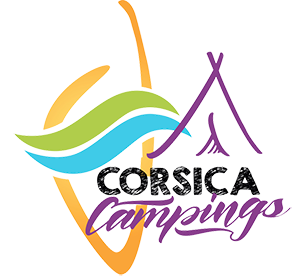
Nestled between fine sandy beaches, alder forests and majestic mountains , this small seaside resort seduces with its peaceful atmosphere and varied landscapes. It must be said that Moriani is the ideal starting point for exploring the Costa Verde while enjoying an authentic and family atmosphere . Here are the best addresses and activities for an unforgettable camping holiday, between swimming, hiking and simple pleasures !

Campsites in Moriani: the choice of comfort and nature

In Moriani, campsites stand out for their prime location, often by the sea or nestled in lush greenery. Merendella campsite is one of the region’s leading establishments.

Rated 4 stars, it offers an exceptional wooded setting just a stone’s throw from the beach, with 220 spacious pitches for tents , caravans and motorhomes, as well as a wide choice of mobile homes and canvas bungalows for all tastes.

In addition, the Merendella campsite stands out for its modern facilities: heated swimming pool, aquatic area with jacuzzi , SPA, sauna, gym, children’s playground and private beach. In addition, conviviality reigns thanks to a bar-restaurant, an ice cream parlor and entertainment suitable for the whole family .

Whether you’re a fan of traditional camping or looking for comfort, everyone will find what they’re looking for in a preserved environment between the sea and the mountains.

For example, other campsites in the region, such as those of Santa-Lucia-di-Moriani or Santa-Maria , also offer shaded pitches , direct access to the beach and a more intimate atmosphere, ideal for recharging your batteries away from the crowds.

Accommodation and facilities suitable for all

It should be noted that the Moriani campsites offer different types of accommodation to suit all tastes:

  • bare pitches for tents, motorhomes and caravans , often located by the sea or under trees;
  • fully equipped mobile homes for the comfort of a holiday home;
  • canvas bungalows for an experience closer to nature, without sacrificing comfort;
  • chalets or eco-lodges for families or groups of friends.

Once you’ve chosen your accommodation , enjoy the many amenities: swimming pools, playgrounds, sports fields, wellness areas and direct access to the beach. This wide range of options allows everyone to create a stay that suits them, between relaxation, activities and discovery of the Corsican coastline .

Moriani: between beach, nature and authenticity

Staying at a campsite in Moriani means, above all, enjoying the fine sandy beach that borders the resort. The clear waters of the Mediterranean invite you to swim, relax, and enjoy water sports such as paddleboarding , kayaking, or windsurfing. Despite the fact that the resort is lively in summer, the atmosphere remains peaceful and family-friendly , far from the hustle and bustle of the big tourist towns.

Moriani is also surrounded by lush nature. The pine and alder forest provides a perfect setting for shady walks, while the mountains in the background invite you to hike. A few kilometers away, the San Nicolao waterfalls offer a refreshing haven, ideal for a nature break during a heatwave.

For birdwatching enthusiasts, the Étang de Biguglia Nature Reserve is home to remarkable flora and fauna. It’s a perfect place for morning walks and picnics by the water , while discovering migratory birds and the typical landscapes of the Costa Verde.

Must-do activities in Moriani and surrounding areas

The Moriani region is full of activities for all ages and tastes:

  • swimming and water sports on Moriani beach;
  • hiking in the mountains or along the coast;
  • horseback or bicycle rides to explore the surrounding countryside;
  • wine tasting at local estates;
  • boat excursions to discover the Corsican coast or the Lavezzi Islands archipelago;
  • cultural visits to hilltop villages like Cervione , with its heritage and local products.

In addition, the proximity of Bastia (40 km) allows you to vary the pleasures between sea, mountains and urban discoveries, while remaining in a preserved natural setting .

Peace and quiet and a family atmosphere await you

Moriani is renowned for its tranquility and friendly atmosphere. Unlike other, busier seaside resorts, the pace here is gentle and holidaymakers take the time to savor every moment . The campsites, often on a human scale, encourage meetings and exchanges between campers, while guaranteeing everyone’s privacy thanks to spacious and well-defined pitches.

It is important to know that most establishments emphasize respect for nature and the environment. Some campsites are labeled Camping Qualité or Ecolabel , which guarantees responsible management of resources and particular attention paid to the preservation of the site.

This approach is accompanied by gentle entertainment. It also includes activities for children and a catering offer focused on local products for a total immersion in the Corsican art of living.

Tips for a successful stay in Moriani

To fully enjoy your camping stay in Moriani , some practical advice is essential:

  • book in advance, especially during high season;
  • find out about the services offered (swimming pool, entertainment, beach access, bike rental);
  • wear suitable shoes for walks in the forest or mountains;
  • Bring something to protect yourself from the sun and mosquitoes, especially in summer.

After packing your bags, let yourself be carried away by the gentle Corsican way of life and savor every moment in tune with nature.

Moriani: an ideal destination for lovers of authentic Corsica

Staying at a campsite in Moriani means choosing a destination where nature is omnipresent, where the sea is accessible at all times, and where tranquility is the key word. Whether you’re a family, a couple, or with friends, you’ll find a perfect balance between activities, relaxation, and discovery in Moriani . In addition, the diversity of campsites and accommodations allows everyone to find the option that suits them, from the simplest to the most comfortable.

It should be noted that Moriani also attracts visitors with its proximity to typical Corsican villages, its local markets , its local products and the possibility of easily reaching other major sites in Haute-Corse. In addition, the kindness of the locals and the relaxed atmosphere make each stay a unique experience , conducive to recharging your batteries. Ultimately, choosing Moriani for a camping holiday means treating yourself to a break in nature, sea and tranquility, in one of the most beautiful corners of Corsica . Whether you love swimming, hiking or simply relaxing, this destination ticks all the boxes for a successful stay in 2025 .

By : July 28th, 2025 Campsites Upper Corsica 0 Comments

Haute Corse, with its sublime coastline and crystal-clear waters, offers an ideal playground for lovers of nautical thrills. Among the most popular activities during the summer season, towed buoys are a must-do experience, combining thrills and laughter.

This activity, accessible to almost everyone, allows you to fully enjoy the beauty of the Corsican coastline while enjoying fun moments with family or friends. Sailing on the turquoise waters of the Isle of Beauty, you will discover a perfect cocktail of adrenaline and discovery of exceptional seascapes.

The Towed Buoy in Haute Corse: An Exhilarating Maritime Adventure

An accessible and friendly activity

Towed buoys are one of the most popular water activities in Haute Corse. The principle is remarkably simple: comfortably seated on an inflatable buoy, you are towed by a motorboat that takes you zigzagging across the water.

To this end, the activity provides thrills while remaining accessible to beginners. It must be said that it is precisely this combination of accessibility and adrenaline that makes it such a popular pastime for vacationers.

The towed buoy is particularly appealing for its convivial aspect. It allows you to share exceptional moments of complicity with your loved ones. Imagine yourself clinging to the handles of the buoy, desperately trying not to fall into the water while the boat takes a sharp turn!

Laughter and shouts of joy are guaranteed, and these moments will remain etched in your memory as precious souvenirs of your Corsican vacation.

At Moriani Plage, one of the most renowned water sports centers in Haute Corse, this activity is offered by qualified professionals who adapt the intensity of the water sports according to the preferences and age of the participants.

As a result, young and old alike can fully enjoy the experience in a safe and supervised setting. Sessions generally last around ten minutes, which is more than enough time to experience thrills without exhausting participants.

Guaranteed thrills on the crystal clear waters

The exceptional beauty of Corsican waters adds an extra dimension to the towed buoy experience. Beyond the simple sensations of gliding, a complete immersion in an exceptional maritime environment awaits you. The translucent waters sometimes allow you to glimpse the seabed during your frantic race, adding a touch of magic to this already exhilarating adventure.

The contrast between the power felt during acceleration and the gentle surrounding landscapes creates a unique sensory experience. In addition, every turn, every bounce on the water generates an adrenaline rush that fully satisfies thrill seekers. Even the most reluctant are usually tempted and end up enjoying this activity, which perfectly combines pleasure, discovery, and strong emotions.

The pleasant water temperature in Haute Corse, particularly between June and September, makes the inevitable dips in the water particularly refreshing. Although falling in isn’t the primary goal, these impromptu dips are an integral part of the experience and contribute to the overall enjoyment of the activity.

It is precisely this mix of excitement, challenge and moments of relaxation that makes tubing such a complete activity.

An activity for all types of vacationers

One of the great advantages of towed buoys is their ability to adapt to different participant profiles. Providers in Haute Corse generally offer several types of buoys and varying levels of intensity to suit all audiences. For families with young children, gentler sessions allow for a safe introduction to this fun activity.

Teenagers and young adults looking for more intense thrills will also find what they’re looking for with more technical courses and tighter turns. Some providers even offer challenges between friends to spice up the experience: who can stay on the buoy the longest without falling? These friendly little competitions add an extra dimension to the fun of the activity.

Less adventurous types shouldn’t feel excluded, however. Instructors systematically adapt the intensity of the ride to the participants’ wishes. Observing from the boat can also be an entertaining experience, especially for capturing photos or videos of the often hilarious facial expressions of participants during their tubing session.

The Best Spots for Towed Tubing in Haute Corse in 2025

Moriani Plage and the Costa Verde: the unmissable spot

Moriani Plage has established itself as the leading destination for towed buoys in Haute Corse. Located on the island’s east coast, this seaside resort boasts ideal sea conditions for this water sport.

The Costa Verde Aventure water sports center, located directly on the beach in the city center, offers tubing sessions supervised by state-certified professionals. This facility is particularly appreciated for its professionalism and family-friendly approach.

Rates at Moriani Plage are particularly attractive, starting at €18 per person. Opening hours, from 9 a.m. to 7 p.m., allow for great flexibility in planning your day. In addition to towed buoys, this base also offers other water activities such as jet ski rentals and parasailing, ideal for diversifying your maritime experiences during your stay.

The undeniable advantage of Moriani Plage lies in its accessibility. Its immediate proximity to the Merendella campsite makes it a preferred option for vacationers staying at this establishment. Campsite residents also benefit from discount vouchers on water sports activities, a touch particularly appreciated by families looking to control their vacation budget.

Saint-Florent: between authenticity and thrills

About 40 minutes from Bastia, Saint-Florent is another remarkable spot for tubing in Haute Corse. This charming seaside town perfectly combines cultural heritage and water sports. Saint-Florent’s exceptional setting, with its picturesque village and unspoiled coastline, adds an extra dimension to the tubing experience.

Sessions in Saint-Florent generally take place in groups of three, creating a friendly atmosphere conducive to challenging friends. The average towing speed reaches around 20 km/h, or 11 knots, providing sufficient excitement while maintaining an optimal level of safety.

These sessions usually last around ten minutes, but the intensity of the experience makes it seem much longer!

Saint-Florent’s professionals stand out for their particular attention to safety and participant support. A comprehensive briefing is systematically conducted before each session to explain essential instructions and maximize enjoyment while minimizing risks. In addition, the exceptional water quality in this region of Haute Corse adds an undeniable aesthetic dimension to the activity.

The beaches of Cap Corse and their crystal clear waters

Cap Corse, a peninsula stretching north of the island, also boasts some prime spots for tubing. Though fewer in number than on the east coast, the facilities offering this activity in Cap Corse are distinguished by the exceptional beauty of the sites in which they operate. The particularly clear waters and unspoiled nature of the beaches make them popular locations for this activity.

Several beaches in Cap Corse host providers offering towed buoys during the summer season. However, it’s recommended to book in advance, as the offerings remain more limited than in larger seaside resorts like Moriani. In return, you’ll enjoy a more exclusive experience and be able to discover particularly unspoiled stretches of coastline during your session.

Activities in Cap Corse also have the advantage of often being combined with other nautical discoveries. Some providers offer packages that include, for example, a short boat trip to coves inaccessible from the mainland, before or after your towed buoy session.

This more comprehensive approach allows you to enrich your experience and take full advantage of the natural riches of this exceptional region.

How a Towable Tubing Session Works: What to Expect

Preparation and equipment: the essential steps

Before embarking on your towed buoy adventure in Haute Corse, a preparation phase is essential. Upon your arrival at the nautical base, you will be welcomed by the team who will present you with the program of the activity.

Safety is paramount, so you will always be provided with suitable equipment. This primarily involves a buoyancy vest, an essential item that must be properly adjusted to your body shape to ensure optimal safety.

The supervisory team will then take the time to explain the basic safety instructions to you. How to properly hold onto the buoy handles, what position to adopt while towing, and the signals you need to know to communicate with the boat’s pilot.

This is all important information that deserves your full attention. This initial briefing also includes instructions on what to do in the event of a fall into the water.

Once equipped and briefed, you’ll board the boat that will take you to the practice area. In accordance with regulations, this area is located beyond the 300-meter coastal strip and within 2 miles of a shelter.

As a result, the towed buoy never goes too far out to sea, which helps reassure even the most anxious participants. The travel time to the activity area is generally used to complete the explanations and answer any questions you may have.

The experience on the water: sensations and pleasure guaranteed

Once you’re in the activity area, the experience can truly begin. You sit comfortably on the buoy, usually lying flat on your stomach, holding on tightly to the handles provided for this purpose. The boat then starts gently to tighten the tow rope before gradually accelerating. This is where the thrills really begin!

The boat’s driver adapts his driving style to the participants’ skill level and expectations. For beginners or families with children, the course remains relatively gentle, with wide turns and moderate speed.

For the more adventurous, the pilot doesn’t hesitate to accentuate the turns and vary the trajectories to create bouncing zones on the water, thus multiplying the sensations. As a guide, the average towing speed is around 20 km/h.

The session generally lasts around ten minutes, which may seem short but turns out to be perfectly calibrated. Indeed, the physical effort to stay on the buoy is not insignificant, and even the most seasoned athletes feel a certain muscular fatigue after this duration. In addition, the intensity of the sensations is such that these ten minutes often seem much longer to the participants!

After the activity: sharing experiences and memories

Once the session is over, you return to dry land, usually with a beaming smile and a good dose of adrenaline still pumping through your system. The cool-down after the excitement of the towed buoy is a great time to share your impressions with your fellow adventurers and the team.

Many providers in Haute Corse now offer additional services to extend the experience. Some have a photographer who immortalizes your exploits from the boat, allowing you to leave with visual memories of your facial expressions – often hilarious – during the activity.

Others offer a refreshing drink at the end of the session, a friendly moment appreciated to debrief the experience.

For those who particularly enjoyed this first experience, it is often possible to immediately book a new session for the following days. Note that some providers offer reduced rates for multiple bookings, an interesting opportunity for families wishing to repeat the experience during their stay in Haute Corse.

Regulations and Safety: What You Need to Know Before You Get Started

Maritime rules governing the practice

Towed buoys, like any nautical activity, are subject to strict regulations aimed at ensuring the safety of participants and other sea users. In Haute Corse, as everywhere in France, this practice must respect certain fundamental rules.

First, the activity must take place beyond the 300-meter coastal strip and within 2 miles of a shelter. This provision helps prevent accidents with swimmers while maintaining reasonable proximity to the coast in the event of an incident.

The towing boat must be equipped with a quick-release system, allowing the buoy to be released immediately if necessary. In addition, it must display a 2-meter-high orange fluorescent flag to signal its activity to other boats. It must be said that these regulatory provisions, far from being restrictive, constitute essential guarantees for your safety.

The number of people on board the boat is also regulated. In addition to the pilot, who must hold a motorboat license, a person over the age of 16 must be present to supervise the towed buoy. This constant monitoring allows for rapid response in the event of a fall or difficulty encountered by the participants.

Essential safety equipment

Participant safety depends largely on the equipment used. Buoys must be brightly colored to be easily spotted on the water. Likewise, participants must wear brightly colored life jackets that fit properly. This equipment, provided by service providers, is systematically checked before each use to ensure it is in good condition.

The tow rope is another crucial element of the safety system. It must be specially designed for this practice and be between 1 and 20 meters long.

Elastic ropes or “sandow” are strictly prohibited due to the risks they present. It should be noted that professionals regularly check the condition of their ropes and replace them at the first signs of wear: discoloration, fraying, or the presence of knots.

For participants, certain personal precautions are also required. Wearing sunglasses with a retaining cord is strongly recommended to protect your eyes from splashes and the sun.

Applying waterproof sunscreen beforehand is also recommended, as the reflections from the water significantly amplify the effects of UV rays. Finally, avoid wearing jewelry or accessories that could come loose and potentially injure you during the activity.

Optimal practice conditions

Weather conditions play a decisive role in tubing. Service providers in Haute Corse closely monitor weather reports and may have to postpone or cancel sessions in the event of adverse conditions. Generally, the activity continues as long as the wind speed does not exceed 3 on the Beaufort scale and the sea remains relatively calm.

Visibility is another vital factor. Towed buoy sessions are systematically interrupted in case of fog or poor visibility, as constant monitoring of participants by the boat crew is essential to the safety of the activity. In addition, sunlight conditions must allow the pilot to anticipate potential obstacles and adapt his trajectory accordingly.

Water temperature, less critical in Haute Corse where it remains pleasant throughout the summer season, is also taken into account. At the beginning and end of the season (April-May and September-October), it is not uncommon for service providers to provide thin neoprene wetsuits to ensure the comfort of participants.

This attention to customer well-being demonstrates the professionalism of Corsican service providers who seek to offer an optimal experience in all circumstances.

Planning Your Towed Tubing Activity During Your Holidays in Haute Corse

When to book and at what price

To fully enjoy towed buoys during your stay in Haute Corse, it’s a good idea to plan ahead. The season generally runs from mid-April to October, with peak activity in July and August.

During this peak season, demand is particularly high, and it is strongly recommended to book several days in advance to ensure a spot. However, during the pre- and post-season, reservations can often be made the day before or even the same day.

Regarding prices, they generally vary between €18 and €25 per person for a standard ten-minute session. Family or group packages can offer attractive sliding scale rates.

Additionally, many service providers collaborate with local campsites and accommodations to offer discounts to holidaymakers. Merendella campsite, for example, distributes discount vouchers to its residents for water sports activities offered at Moriani Plage.

It’s also worth noting that some providers offer packages combining several water activities (jet skiing, parasailing, towed buoys) at advantageous rates. These packages allow you to discover different aquatic sensations while making substantial savings. Inquire directly with the water sports centers for special offers for the 2025 season.

How to choose your service provider in Haute Corse

Choosing a service provider is a crucial step in ensuring a safe and enjoyable experience. Several criteria deserve your attention during this selection process. First, check that the organization has the required professional qualifications.

Instructors must hold the BPJEPS (Professional Certificate for Youth, Popular Education and Sport), a guarantee of their competence and knowledge of safety protocols.

The condition of the equipment is another indicator of reliability. Don’t hesitate to inspect the equipment (buoys, life jackets, tow ropes) before committing. Well-maintained and regularly renewed equipment demonstrates the service provider’s professionalism and their concern for customer safety. Conversely, visibly worn or damaged equipment should raise red flags.

Reviews from previous customers, easily available online, can also help you make your choice. In this regard, Costa Verde Aventure in Moriani Plage and the service providers in Saint-Florent generally receive excellent reviews for the quality of their welcome and their professionalism.

It should be noted that local reputation is often a guarantee of reliability in this sector of activity where word of mouth plays a decisive role.

Incorporate activity into your vacation program

To get the most out of your tubing experience, there are a few practical considerations worth considering. First, choosing the right time of day can significantly impact your comfort.

Morning sessions (between 9 and 11 a.m.) generally offer calmer sea conditions and less oppressive heat. Conversely, late afternoon sessions often benefit from magnificent light for possible souvenir photos.

  • bring suitable clothing: swimsuit under your clothes, towel, sunglasses with cord, waterproof sunscreen;
  • Don’t forget a bottle of water and a light snack for after the session, as the activity is physically demanding.

These small preparations will greatly contribute to the comfort of your experience. Furthermore, it is wise to plan a relatively calm activity after your tubing session, as it can be physically demanding, especially for the muscles of the arms and shoulders, which are not accustomed to this type of effort.

For families with children of different ages, be aware that water sports centers generally offer several parallel activities. So, while teenagers enjoy the joys of towed buoys, younger children can participate in gentler water activities like pedal boats or paddleboarding. This arrangement allows each member of the family to enjoy an experience adapted to their age and interests.

FAQ: Everything you need to know about towed buoys in Haute Corse

From what age can you practice towed buoys in Haute Corse?

The minimum age requirement varies by provider, but is generally around 10 years old. This limit is set for safety reasons and the physical ability needed to stay on the buoy.

For children between the ages of 10 and 16, parental permission is always required. Some providers offer sessions specially adapted for younger children, with gentler courses and buoys designed to make them easier to handle.

If you would like to introduce this activity to younger children, contact the water sports centers directly, as some offer special family packages.

Do you need to know how to swim to go tubing?

Yes, knowing how to swim is a prerequisite for towing a buoy, although wearing a life jacket is mandatory. Indeed, in the event of a fall, you could find yourself momentarily underwater before resurfacing. A minimum level of comfort in an aquatic environment is therefore necessary to practice this activity safely.

Most providers check this ability upon registration and may refuse access to the activity to those who cannot swim, even if equipped with a life jacket. This strict measure is intended to ensure the safety of all participants.

Is tubing a dangerous activity?

When practiced in compliance with safety regulations and supervised by professionals, towed buoys present a controlled risk. Serious accidents are extremely rare. The main risks are minor bruises or sprains in the event of a fall, or muscle pain due to the effort of staying on the buoy.

To minimize these risks, listen carefully to the instructions given during the briefing, wear your life jacket correctly, and don’t hesitate to tell the pilot if the speed or movements seem too intense. Ultimately, this activity remains accessible and safe when practiced in a professional setting.

Can you practice towed buoys even without prior experience?

Absolutely! Towed buoys are a water sport that requires no experience or special technical skills, which explains its immense popularity. Providers in Haute Corse welcome complete beginners every day and adapt the intensity of the experience accordingly.

Before each session, a comprehensive briefing is conducted to explain the basics: how to hold on, what position to adopt, and what to do in the event of a fall. These few minutes of explanation are generally enough to fully enjoy the activity from the first session. The intuitive nature of the towed buoy makes it an activity perfectly accessible to beginners.

How to dress for a tubing session?

A simple swimsuit is enough for tubing in the summer in Haute Corse. However, avoid overly baggy two-piece swimsuits for women, which could shift during falls. For men, well-fitting swim shorts are preferable.

At the beginning and end of the season (April-May or September-October), some providers provide thin wetsuits to maintain a comfortable body temperature. As for accessories, bring sunglasses with a retaining cord and avoid any jewelry or watches that could come loose or injure you during the activity.

When is the best time to go tubing in Haute Corse?

The towed buoy season generally runs from mid-April to the end of October in Haute Corse. July and August offer optimal weather conditions, with particularly pleasant water temperatures (around 25°C).

However, this period also corresponds to the peak tourist season, with high crowds and higher prices. The months of June and September are excellent alternatives, combining favorable sea conditions, cheaper prices, and fewer crowds. For those who are more sensitive to the cold, avoid April-May and October, where the water can be a little chilly despite the sun.

Can people with back problems go tubing?

This activity places significant stress on the back and joints, especially when bouncing on the water. People with lower back, neck, or other musculoskeletal conditions should consult their doctor before engaging in this activity.

Some providers offer specific buoys that are more stable and generate less impact, and may be suitable for people with mild physical disabilities. In all cases, inform the provider of any physical limitations before booking; they will be able to advise you and adapt the intensity of the session to ensure your comfort and safety.

By : July 28th, 2025 Campsites Upper Corsica 0 Comments

Haute-Corse, in the north of the Isle of Beauty, captivates visitors with its varied landscapes, rich history, and unique customs. Imposing mountains, clear beaches, rugged villages, and deep forests make up this region, which promises a memorable experience for anyone who takes the time to explore it.

This guide offers an immersion into the distinctive atmosphere of Haute-Corse , revealing its essential sites, unusual activities, culinary delights and hidden treasures.

The must-sees of Haute-Corse

Bastia, the vibrant gateway

Bastia, the capital of Haute-Corse, is a must-see for any traveler seeking authenticity. Its narrow streets, picturesque old port , and hilltop citadel are testament to a rich history and island lifestyle.

The Sainte-Marie Cathedral, the Bastia Museum , and the Romieu Gardens invite you to stroll and explore. It must be said that Bastia is also renowned for its market where you can sample charcuterie, Corsican cheeses, and local specialties in a friendly, typically Mediterranean atmosphere.

Cap Corse, a wild peninsula

Continuing north, Cap Corse unfolds its rugged landscapes, fishing villages and Genoese towers . This corner of the world, sometimes nicknamed “the island within the island”, is a paradise for lovers of nature and breathtaking panoramas.

There you will discover secret coves, hiking trails, renowned vineyards and a timeless atmosphere . The villages of Nonza , Centuri and Erbalunga are all essential stops to capture the soul of the Cape.

Corte, historical and cultural heart

In the center of Haute-Corse, Corte stands out as the cultural and historical capital of the island. Its citadel dominates the city and houses the Museum of Corsica , an ideal starting point for understanding Corsican history and traditions. The surroundings of Corte, particularly the Restonica Valley and the Tavignano Valley , are renowned for their magnificent landscapes, natural swimming pools and hiking trails accessible to all.

Balagne and its hilltop villages

The Balagne region, between Calvi and Île-Rousse , is famous for its authentic villages, its artisans and its varied landscapes. Sant’Antonino, Pigna or Lumio seduce with their charm and preserved heritage . The fine sandy beaches, the olive groves and the fragrant hills invite you to relax and discover a more secret Corsica, where you take the time to appreciate every moment .

Nature and activities in Haute-Corse

Hiking and mountain adventures

Haute-Corse is an exceptional playground for nature lovers. The Monte Cinto massif, the island’s highest peak, attracts seasoned hikers, while the Asco and Golo valleys offer trails suitable for all levels.

The GR20, a famous long-distance hiking trail , crosses the region and promises unforgettable panoramas. In addition, the Restonica Gorges and the Melo and Capitello lakes are key sites for walks with family or friends, accessible thanks to a shuttle service in high season to preserve the environment.

Water activities and thrills

From the sea to the mountains, Haute-Corse offers a multitude of sporting and recreational activities. You can go canyoning in wild rivers , try sea kayaking along the coast, try via ferrata or take off on giant zip lines.

The beaches of Saleccia, Ostriconi and Calvi invite you to swim, snorkel and relax. For those looking for original experiences , it is possible to rent a donkey for a ride to Lake Nino or to try your hand at sea fishing, or even observe cetaceans near Bastia .

Discovery of heritage and crafts

Haute-Corse is full of villages where time seems to have stood still. Following the Balagne artisans’ route allows you to meet knifemakers , jewelers, luthiers, beekeepers, and passionate ceramicists.

locally made souvenirs . The architectural heritage is not to be outdone, with Genoese towers, Baroque churches and Roman remains, notably in Aléria, the former capital of ancient Corsica .

After exploring these sites, we realize to what extent Haute-Corse is a land of contrasts, between sea and mountains, tradition and modernity, raw nature and refined villages.

Corsican flavors and traditions

Generous and authentic gastronomy

Discovering Haute-Corse also means discovering a gastronomy rich in flavours . Corsican cold cuts (coppa, lonzu, figatellu), sheep and goat cheeses, brocciu, chestnut-based specialities and Patrimonio wines are among the must-try dishes. Local markets and village inns allow you to sample authentic , generous and friendly cuisine.

Festivals and traditional events

Throughout the year, Haute-Corse vibrates to the rhythm of its village festivals, its craft fairs and its concerts of pagjella , the Corsican polyphonic song.

These events are an opportunity to share unique moments with the locals, discover centuries-old traditions, and immerse yourself in the island’s identity. For example, the Olive Tree Fair in Montegrosso or the musical encounters in Calenzana are events not to be missed.

Corsican language and expressions

Corsican, a Romance language close to Italian, is still very present in daily life. It is worth noting that some local expressions can enrich your stay. Saying “Bonghjornu” for hello, “Grazie” for thank you, or “Avvedeci” for goodbye is already a step towards the island culture . The locals appreciate these signs of attention and do not hesitate to share other typical expressions.

Villages, beaches and exceptional natural sites

Villages of character and unique panoramas

In Haute-Corse, every village tells a story. Nonza , perched on its cliff, offers spectacular views of the sea and a unique black pebble beach. Pigna and Sant’Antonino, ranked among the most beautiful villages in France , seduce with their architecture and peaceful atmosphere. Borgo, with its cobbled streets and stone houses, bears witness to the region’s rich medieval past .

Paradise beaches and secret coves

The northern coast of Haute-Corse is home to some of the most beautiful beaches in the Mediterranean . Saleccia, Ostriconi, Calvi Beach and Nonza Beach are renowned for the quality of their sand, the purity of their waters and the beauty of their surroundings . Some beaches, accessible only on foot or by boat, guarantee peace and a complete change of scenery.

Protected natural areas

Haute-Corse is also a region committed to preserving its environment. The Corsican Regional Natural Park , nature reserves, and listed sites are testament to this commitment. The Fango Gorges , the Asco Valley, and the Scandola Reserve are all places to explore for lovers of wild nature.

After exploring these landscapes , we understand why Haute-Corse attracts travelers every year in search of authenticity and disconnection.

Practical advice for a successful stay

Properly preparing your stay in Haute-Corse allows you to fully enjoy its natural and cultural riches. Here are some essential recommendations for an unforgettable stay:

  • favor the low or mid-season to take advantage of the mild climate and avoid crowds;
  • bring hiking shoes and suitable clothing for exploring the mountains and coastal paths;
  • taste local products in markets or from small producers, for an authentic taste experience;
  • respect the environment and local traditions, particularly when hiking in protected areas.

Adopting these few tips will ensure you have a harmonious stay , in keeping with the spirit of Haute-Corse.

Original activities and unique experiences

Donkey or canoe rides

To get off the beaten track, Haute-Corse offers unusual activities. Renting a donkey for a ride to Lake Nino , or setting off in a Hawaiian canoe on the crystal-clear waters, are experiences that are both fun and exotic. These activities allow you to discover the region at a different pace , in harmony with nature.

Hydro-ULM, diving and cetacean observation

Thrill-seekers can try their hand at microlight flying in Saint-Florent, explore the seabed of Cap Corse , or head out to sea to watch dolphins and whales. These unique experiences offer a different perspective on the beauty of Haute-Corse and the richness of its marine life .

Adventure trails and outdoor sports

Via ferrata, giant zip lines, canyoning , rafting and hiking are accessible to all levels. The local guides, passionate and experienced, guarantee safety and discovery in a friendly atmosphere . Note that in winter, the region is also ideal for skiing or snowshoeing, for a different and equally fascinating Corsica.

FAQ – Everything you need to know to discover Haute-Corse

What are the best times to visit Haute-Corse?

The mid-season, in spring and autumn, is ideal for enjoying pleasant temperatures, flowery or golden landscapes and moderate crowds . Summer offers a warm climate, perfect for swimming, but the tourist sites are more crowded. In winter, the mountains reveal another side , ideal for hiking or skiing.

What are the most beautiful villages to discover in Haute-Corse?

Nonza, Pigna, Sant’Antonino, Centuri, Borgo and Lumio are among the most picturesque villages. Each has its own identity , history and traditions, to be discovered while strolling through the narrow streets or at the local markets.

What original activities can you do in Haute-Corse?

Donkey rides, hydro-microlights, wreck diving , cetacean watching, via ferrata or canyoning are just a few examples of unusual activities that allow you to experience Haute-Corse in a different way. Local guides offer experiences adapted to all profiles.

Where to enjoy the most beautiful beaches in Haute-Corse?

The beaches of Saleccia, Ostriconi , Calvi, Nonza and even Arinella beach are renowned for their beauty. Some, more secret, require a short walk or access by boat, but guarantee a preserved and wild setting .

How to immerse yourself in Corsican culture during a stay?

Participating in a village festival, attending a paghjella concert, visiting a local museum, or interacting with artisans are all ways to immerse yourself in the island’s culture . Learning a few words of Corsican and tasting local specialties also enriches the experience.

What advice do you have for organizing a road trip in Haute-Corse?

Plan your route taking into account travel times , choose accommodation with locals or in a gîte, and don’t hesitate to get off the main roads to discover lesser-known sites. Taking the time to stop in villages and chat with the locals allows you to experience Haute-Corse in an authentic way.

What precautions should be taken when hiking in Haute-Corse?

Always check the weather, bring water and snacks , and respect marked trails and local wildlife. In summer, it is advisable to leave early in the morning to avoid the heat and to find out about access conditions to certain protected sites.

By : July 28th, 2025 Campsites Upper Corsica 0 Comments

Scuba diving in Haute-Corse offers a captivating experience, an immersion in a silent world with exceptional landscapes and biodiversity. The northern region of the Isle of Beauty is renowned for the clarity of its waters , its varied sites ranging from historic wrecks to dizzying drop-offs, and its preserved nature reserves.

Whether you are planning to discover diving through a baptism, or you are an experienced diver looking for new adventures , Haute-Corse in 2025 is a destination of choice. This detailed guide will present you with the most exceptional diving sites, recognized training centers and all the practical information essential for planning your underwater exploration.

The must-see diving spots in Haute-Corse

Haute-Corse is full of remarkable diving sites , each offering a unique atmosphere and discoveries . From protected waters to impressive drop-offs, diversity is guaranteed.

The Scandola Nature Reserve and its surroundings

Listed as a UNESCO World Heritage Site, the Scandola Nature Reserve is a marine sanctuary of exceptional richness. While diving is strictly regulated within the reserve itself to preserve this fragile ecosystem , the surrounding areas offer equally spectacular dives. The seabed is incredibly beautiful , with impressive volcanic rock formations .

Sites like Punta Palazzu or Punta Nera, located at the edge of the reserve, allow you to admire the typical flora and fauna of the preserved Mediterranean . Curious groupers, schools of dentex and majestic corbs are frequently observed there, swimming among colorful gorgonians . Visibility is often exceptional, regularly exceeding 30 meters, making it a paradise for underwater photographers.

It is important to know that diving in this area requires the support of an approved diving center, guaranteeing compliance with regulations and the safety of divers. In 2025, centers based in Galéria or Calvi offer specific excursions to these prestigious sites , often combined with a discovery of the coastline from the boat . This approach allows for complete immersion in this unique natural heritage.

The legendary wreck of the B17 in Calvi

Off the coast of Calvi lies one of the Mediterranean’s most famous wrecks: an American B-17 Flying Fortress bomber dating from World War II. The plane lies 28 meters deep on a sandbank, relatively well preserved despite its decades underwater. This dive is a unique experience , combining history and underwater exploration.

The wreck, 23 meters long and with a wingspan of 32 meters, has become an artificial reef teeming with life. The metal structures are colonized by sponges and colorful algae, while the cavities are home to conger eels, moray eels and schools of fish. It is even possible to explore the interior of the cockpit , offering a poignant testimony to the past.

This dive is accessible to level 2 divers (PADI Advanced Open Water or equivalent) due to the depth. That being said, conditions are generally mild with little current, making exploration enjoyable . Calvi dive centers, such as Calvi Plongée or Diving Corsica, very regularly organize trips to this iconic site in 2025, accompanied by a detailed historical briefing on the history of this aircraft .

The walls and caves of Cap Corse

Cap Corse , this wild peninsula that stretches towards the north, offers more technical and challenging dives , ideal for experienced divers looking for thrills. Its jagged coasts plunge abruptly into the sea, creating dizzying drop-offs and mysterious underwater caves.

The sites around Macinaggio, such as Pointe d’Agnello or the island of Giraglia, are characterized by rock walls sometimes descending to more than 50 meters.

These drop-offs are covered with spectacular red and yellow gorgonians, particularly well preserved thanks to the sea currents that encourage their development. Wildlife is also abundant, with the frequent presence of lobsters, fork-nosed squid and sometimes even stingrays .

Imagine that Cap Corse is also home to several underwater caves accessible to qualified divers . These explorations, which require specific training and suitable equipment, offer a unique atmosphere and the opportunity to observe wildlife. special cavernicole . The diving centers of Bastia and Cap , like the Marine Diving Center, offer these technical dives for certified divers.

Sailing and diving at Cap Corse can be more challenging due to the sometimes strong winds and sea currents. Therefore, it is essential to rely on the expertise of local centers, which are fully familiar with the specific conditions of each site and adapt their excursions accordingly. In 2025, new itineraries for exploring the depths of the Cap will be offered, emphasizing the unique biodiversity of this area protected by the Marine Natural Park.

Choosing your diving center in Haute-Corse

The quality of your underwater experience will largely depend on the choice of your diving center . Several professional structures stand out in Haute-Corse for their expertise and the quality of their services.

Criteria for selecting a reliable center

To guarantee a pleasant and safe dive, several essential criteria must guide your choice in 2025. These elements will allow you to identify the centers offering the best guarantees of professionalism .

The center’s certification and affiliation are the primary indicator of quality. Check that the facility is accredited by recognized federations such as the FFESSM (French Federation of Underwater Studies and Sports) or international organizations such as PADI or SSI.

These labels guarantee compliance with safety and training standards. The seniority of the center and the experience of its instructors (BEES or DEJEPS diving specialty) are also guarantees of seriousness .

The condition of the equipment provided deserves special attention. A professional center regularly renews its fleet of cylinders, regulators, and stabilizing vests. Don’t hesitate to ask for information on the revision date. equipment .

Likewise, well-maintained diving boats adapted to local conditions (fast semi-rigid boats for remote sites, more spacious boats for comfort) demonstrate the seriousness of the structure.

Customer reviews are a valuable source of information. Check online review platforms (TripAdvisor, Google, etc.) to get an idea of the satisfaction of previous divers.

Pay particular attention to comments regarding safety, the quality of supervision, the atmosphere, and knowledge of the sites. In 2025, centers like L’Incantu in Galéria or Diving Corsica in Sant’Ambroggio regularly boast excellent reviews.

Finally, the size of the supervised groups is a determining factor in the quality of the experience. Choose centers that limit the number of divers per instructor (ideally 4 to 6 maximum for explorations). This personalized supervision guarantees greater safety and a more in-depth discovery of the sites .

Reference centers by region

Several diving centers have established themselves as essential references in different regions of Haute-Corse. Their reputation has been built on years of expertise and a constant commitment to quality and safety .

In Balagne, Diving Corsica in Sant’Ambroggio (near Calvi) and Calvi Plongée are long-standing players renowned for their in-depth knowledge of local sites, including the B17 wreck and the Revellata reserve . Their equipment is regularly updated and supervision is provided by experienced and passionate instructors.

In the Gulf of Saint-Florent, the Dauphin Club and Corsica Nautic are among the most renowned structures. Their ideal location allows quick access to the spots of the Agriates Desert . They offer a wide range of training and explorations adapted to all levels.

On the eastern coast, the Marine Diving Center in Bastia stands out for its comprehensive offerings and modern facilities. This multi-activity center welcomes divers year-round and offers technical dives up to 60 meters, as well as specialized training. Its location makes it easy to explore the sites of Cap Corse and the eastern coast.

At the gateway to the Scandola reserve, L’Incantu in Galéria has become the largest diving center in Corsica. With an impressive fleet and a team of permanent instructors, this structure offers a complete service including accommodation and catering on site . It is an ideal base for exploring the exceptional sites of the west coast.

It should be noted that this list is not exhaustive and that many other quality structures exist in Haute-Corse. The final choice will depend on your location, your level, and your specific expectations.

Training and certifications available

Haute-Corse offers an ideal setting for learning to dive or perfecting your skills. The clear, calm waters, combined with the presence of numerous certified training centers, create optimal conditions for progressing safely .

Baptisms and initiations for beginners

For those new to diving, a first dive is the essential first step. This experience, available from the age of 8, allows you to discover the unique sensations of breathing underwater in a safe and supervised environment.

A baptism always takes place in the company of a dedicated instructor who takes charge of only one participant at a time. After a complete briefing on the equipment and safety instructions , immersion is done gradually up to a maximum depth of 6 meters. The duration underwater is generally 20 to 30 minutes, enough time to observe the local fauna and flora and get used to the underwater environment.

The fact is that the conditions in Haute-Corse , particularly in summer with warm water and excellent visibility, are ideal for this first experience. The sites chosen for introductory dives are generally shallow, sheltered and rich in marine life , thus guaranteeing a memorable and reassuring discovery. In 2025, the average price of an introductory dive in Haute-Corse is between €60 and €80.

It should be noted that the baptism does not provide any certification but often constitutes the trigger for a lasting passion for diving . Many centers offer “discovery” packages including a baptism followed by one or two additional dives to deepen the experience .

PADI and FFESSM certified training courses

To gradually gain independence and be able to dive anywhere in the world, certified training is the next step. The Haute-Corse centers mainly offer courses from the two major organizations: PADI (international) and FFESSM (French) .

The first PADI level, the Open Water Diver (accessible from 10 years old in the Junior version), allows you to dive independently up to 18 meters. This complete training, which generally lasts 4 to 5 days, alternates theory, exercises in a protected environment and dives in the sea . It is the most recognized certification worldwide. In 2025, its average cost in Haute-Corse is around €450-500.

The French FFESSM system offers a progression by level. Level 1 allows supervised diving up to 20 meters. Level 2 allows autonomy up to 20 meters and supervised diving up to 40 meters. These training courses, given over several days, emphasize technique and safety .

For divers wishing to further their skills, advanced training is also available: Advanced Open Water PADI (exploration of different specialties up to 30m), Level 3 FFESSM (autonomy up to 60m), as well as specialties such as deep diving, wreck diving, underwater photography or Nitrox diving (use of oxygen-enriched mixtures).

It is worth noting that these two systems, although different in their educational approach , are widely recognized and allow for bridges between them. The choice will often depend on personal preferences and future diving plans.

Tek Diving and Advanced Specialties

For experienced divers looking for technical challenges, some centers in Haute-Corse offer Tek (technical) diving courses . These advanced courses allow you to explore greater depths (beyond 60 meters) or specific environments such as caves or deep wrecks .

Tek diving involves the use of specific equipment (twin tanks, rebreathers) and complex gas mixtures (Trimix, Heliox). These demanding courses require significant experience and excellent physical condition. The Marine Diving Center in Bastia is one of the few centers in Haute-Corse offering these advanced courses in 2025 .

At the same time, PADI or FFESSM specialties allow you to acquire specific skills:

  1. Deep Diving: To master the techniques and planning of dives beyond 30 meters.
  2. Wreck diving: to learn safety procedures related to exploring submerged structures.
  3. Underwater photography: to master the equipment and techniques for taking pictures in an aquatic environment.
  4. Marine biology: to identify Mediterranean fauna and flora and understand local ecosystems.

These specialties, generally accessible from level 2 or Advanced Open Water, allow you to enrich your practice and direct your dives according to your interests . They are also an excellent way to continue to progress and learn throughout your life as a diver .

When to dive in Haute-Corse: the right time

Choosing the ideal time to dive in Haute-Corse significantly influences the quality of the experience. Between water temperature, visibility, and crowds, each season has its own unique characteristics.

Seasonality and optimal conditions

The diving season in Haute-Corse runs from April to November , with optimal conditions generally observed between June and September. During this summer period, the water temperature varies from 20°C to 26°C at the surface , providing appreciable thermal comfort even for the most sensitive divers. Visibility is often excellent, frequently exceeding 20 meters.

Spring (April-May) offers the advantage of often exceptional visibility (sometimes more than 30 meters) and underwater nature in full swing after winter. The water is however cooler (15-18°C), requiring a thick wetsuit (7mm) . This period is ideal for photographers and lovers of tranquility.

Autumn (October-November) is also an excellent time to dive . The water remains at a pleasant temperature (18-22°C), visibility returns to its optimal state after any plankton blooms in the summer , and the number of visitors to the sites decreases considerably. This is often the preferred season for experienced divers and locals.

Please note that even in winter, some centers like the Marine Diving Center in Bastia remain open, offering dives for the most passionate. The water then drops to around 13-15°C, requiring suitable equipment (dry suit or semi-dry suit), but in return offering remarkable visibility and absolute tranquility on the sites .

Water temperature and visibility

Water temperature and underwater visibility are two key factors that change over the seasons in Haute-Corse.

The water temperature follows a progressive curve: cool in spring (15-18°C in May), it reaches its maximum in August (24-26°C at the surface) before dropping gently in autumn (around 20°C in October ).

At depth (beyond 20 meters), the temperature remains more stable , fluctuating between 14°C and 17°C throughout the year. The choice of wetsuit (thickness, type) will therefore depend essentially on the period of your stay and your sensitivity to the cold .

Visibility is generally excellent in Haute-Corse, often exceeding 20 meters. The periods of greatest clarity are in spring and autumn, when the water is colder and less loaded with plankton.

In summer, although always very good (15-25 meters), visibility can be slightly reduced on hot days favoring plankton development, or temporarily after rare stormy episodes causing terrestrial runoff.

Imagine that the constant sea currents around the island, however, contribute to a rapid renewal of the water masses , guaranteeing remarkable clarity for most of the year.

Crowds and early bookings

Tourist numbers vary considerably depending on the period, influencing the availability of places in diving centers and the atmosphere on the sites.

The high season (July-August) is the busiest. During these two months, it is imperative to book your dives several days, or even weeks in advance , especially for the most popular sites (Scandola, wreck B17) or the most popular time slots (mornings). The boats are often full and the atmosphere on the sites can be livelier.

The months of June and September offer an excellent compromise . The crowds are lower, allowing for more flexible bookings (a few days in advance is usually enough) and groups often smaller on board the boats . The atmosphere is more relaxed, encouraging interaction with instructors and other divers.

Spring (April-May) and autumn (October-November) are the quietest periods. Reservations are still recommended , but can often be made the day before for the following day. These seasons are ideal for those looking for peace and quiet and a more personalized experience. It is important to know that some centers reduce their activity during these periods, so it is wise to check their opening times and schedules in advance .

Practical tips for a successful experience

A few tips and recommendations can help you best prepare for your diving trip to Haute-Corse and fully enjoy each dive.

Physical and medical preparation

Recreational diving does not require you to be an athlete; good general physical condition contributes to comfort and safety. Practicing regular endurance activity (swimming, running) in the weeks leading up to your stay will help you better manage effort and air consumption underwater .

A medical certificate stating that there are no contraindications to diving is mandatory for all training and highly recommended for exploration dives, particularly if you are over 45 or have a medical history . This document, ideally issued by a doctor specializing in diving medicine, certifies your ability to practice this activity safely. Remember to obtain it before your departure.

Choosing your personal equipment

While the centers provide the technical equipment, certain personal items can improve your comfort:

  • Your own mask: A well-fitting, leak-proof mask is essential.
  • Your dive computer: if you have one, this allows you to track your usual parameters.
  • Personal lighting: even during the day, a small lamp can reveal the colors hidden in the crevices.

Don’t forget to bring a bath towel, dry clothes for after the dive and suitable sun protection (waterproof cream, hat, sunglasses).

Respect for the marine environment

Haute-Corse is home to fragile ecosystems that must be protected. Adopt a responsible attitude when diving:

  • Control your buoyancy: avoid any contact with the bottom, rocks or living organisms (corals, gorgonians).
  • Do not interact with wildlife: do not feed the fish, do not touch the animals.
  • Do not remove anything: leave shells, rocks and archaeological remains in their place.
  • Leave no litter: Take everything you brought, including cigarette butts, back onto the boat.

By adopting these simple actions, you are helping to preserve the exceptional beauty of the Corsican seabed for future generations.

FAQ: Diving in Haute-Corse – Original Questions 2025

1. Can we dive on archaeological sites in Haute-Corse?

Yes, Haute-Corse has a rich underwater archaeological heritage , but access to these sites is strictly regulated. Some ancient or medieval wrecks can be visited during dives organized by approved centers, respecting precise rules to avoid damaging the remains.

For example, Roman amphorae can be seen at some sites near the eastern coast. However, most major archaeological sites are restricted to professional archaeologists or are only accessible during very limited open days. Check with local centers for information on authorized sites and access conditions in 2025.

2. Are there specific dives to observe corals in Haute-Corse?

The Mediterranean does not have tropical coral reefs, but it does support similar ecosystems rich in gorgonians and other cnidarians . The drop-offs of Cap Corse and the sites around the Scandola reserve are particularly renowned for their magnificent “gardens” of red (Paramuricea clavata) and yellow (Eunicella cavolini) gorgonians .

Some centers offer “bio” themed dives focused on observing these ecosystems and red coral (Corallium rubrum), an iconic but protected species whose harvest is highly regulated. These dives allow you to discover the fragile beauty of these organisms and the importance of their preservation.

3. Is night diving practiced in Haute-Corse?

Absolutely, night diving is a fascinating experience offered by many centers in Haute-Corse, especially in summer when conditions are ideal. It allows you to discover a completely different side of the underwater world .

Many species invisible during the day come out of hiding at nightfall: hunting octopuses, sinuous moray eels , various crustaceans (lobsters, sea cicadas), fish asleep in the crevices.

The atmosphere is unique, calmer, and more mysterious. These dives require specific certification (PADI Night Diver or equivalent) or can be done as an introductory dive accompanied by an instructor. Equipment must include a powerful dive light.

4. What are the specific risks associated with diving in the Corsican Mediterranean?

Diving in Haute-Corse is generally very safe when practiced according to regulations. Specific risks are relatively limited compared to other seas. There are no extremely dangerous marine species like those found in tropical areas.

The main points of vigilance concern the currents, which can be present on certain exposed sites (Cap Corse in particular), and the thermocline (sudden change in temperature at depth), particularly marked in spring and autumn.

Some species can cause stinging (jellyfish, anemones) or venomous (scorpionfish, weever) stings, but incidents are rare and generally benign if contact is avoided. Respecting decompression stops remains essential to prevent desaturation accidents .

5. Can we combine diving and other water activities in the same day?

Yes, many water sports centers in Haute-Corse offer multi-activity packages that allow you to combine diving and other water sports in the same day or stay. For example, it is common to be able to combine a morning dive with a paddleboarding , sea kayaking or snorkeling session in the afternoon .

Some providers even offer packages that include diving, boat rental, and towed sports (tubing, wakeboarding). These combined packages often offer great rates and allow you to vary your activities while optimizing your time. They are particularly popular with families or groups of friends with varied interests.

6. Are there any eco-responsible diving initiatives in Haute-Corse?

Yes, eco-responsible diving is a strong trend in Haute-Corse in 2025. Several centers are actively committed to preserving the seabed. This translates into specific briefings on respect for the environment. Then there is participation in citizen science programs (such as monitoring grouper or mother-of-pearl populations) as well as the organization of underwater cleanup operations .

Finally, the use of ecological moorings to avoid damaging the seabed with anchors or the promotion of non-polluting sun creams complete these actions. Some centers are labeled “EcoSub” or partners of local environmental charters, such as that of the Cap Corse and Agriate Marine Natural Park . Choosing a center committed to these approaches allows you to practice your passion while actively contributing to the protection of the island’s exceptional natural heritage .