Climbing in Bastia and Cap Corse
Discover the climbing activities to enjoy in the Bastia / Cap Corse region!
Climbing in Bastia and Cap Corse
Between Bastia and the tip of Cap Corse, the mountain plunges directly into the sea over some forty kilometres. This narrow peninsula, a rocky backbone culminating at Monte Stello (1,307 metres), offers a climbing setting quite unique in Corsica: few places in the world allow you to switch, in a single day, from a wall overlooking the Tyrrhenian Sea to a panorama over the Ligurian Sea, on the other side of the ridge. The terrain is steep, mineral, often swept by the wind, with that particular light that earned Cap Corse the nickname ‘island within the island’.
Our selection of climbing activities for the Bastia / Cap Corse region
Unfortunately no activity was found. Find more activities below!
Climbing
Other activities

A landscape carved from schist
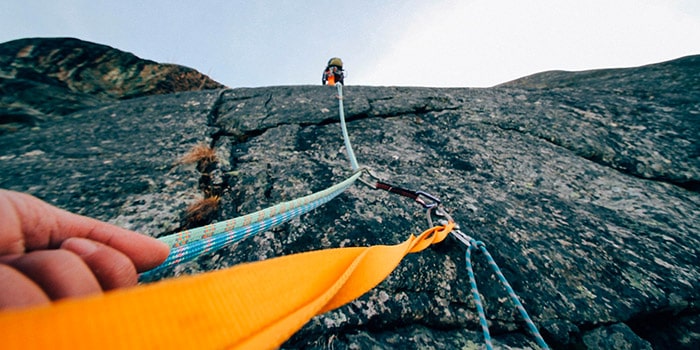
Cap Corse is an ancient massif, shaped from the lustrous schist and green rocks characteristic of the island's north. This geology produces textured walls, sometimes crumbly on the surface, which lend themselves well to introductory climbing and short routes rather than very long lines. The coastline alternates between rocky headlands, old agricultural terraces reclaimed by the maquis, and small harbours nestled in the coves of the marinas, while the interior of the peninsula climbs rapidly towards bare ridges.
A few reference points to get a sense of the area's character:
- The perched village of Nonza, nicknamed the "black diamond" of Haute-Corse, perched on a rocky spur overlooking its black pebble beach.
- Erbalunga, a former fishing and painters' village, with its Genoese tower set on the rocks of the harbour.
- Centuri, France's leading langoustine port, nestled in a rocky cove at the tip of the Cap.
- Monte Stello and its ridge line, the highest point of the massif, overlooking both Bastia and the western coast.
- The Genoese towers dotted along the coastline, often built on rocky promontories that give an idea of the surrounding terrain.
Wind and climbing conditions
The particularity of Cap Corse lies in its exposure: the peninsula takes the full force of the libecciu (west to south-west wind) on its western slope, while the eastern slope, more sheltered, remains climbable more often throughout the year. This asymmetry is worth taking into account before setting off: a site battered by wind on the Balagne-Nebbio side can be perfectly calm on the Bastia side the same day. The terrain changes as quickly as the weather, with very marked microclimates between the bottom of sheltered valleys and exposed ridges.
The rock, particularly after rain, can stay damp longer than granite, due to its more porous texture in places. A drying time of a few hours after a shower is generally recommended before committing to the most exposed sections.
Supervised climbing, at every level
Cap Corse is well suited to a gentle introduction: sites accessible from the coastal road allow for short approaches, which limits fatigue even before climbing — a real advantage for a family outing or a first contact with the discipline. Local operators generally offer supervised packages with equipment provided, suitable for children and beginner adults alike, which avoids having to invest in a full set of gear for a simple taster session.
For more experienced climbers seeking autonomy, it is better to check locally on the condition of the routes' bolting before setting off: some sectors of Cap Corse are less frequented and therefore less regularly maintained than the great classics in the island's interior.
Equipment and safety on sea cliffs
The proximity of the sea and exposure to wind require a few simple precautions before setting off to climb in Cap Corse. Effective sun protection is essential, particularly on south-facing routes where the lack of vegetation offers little shade. Bringing enough water remains essential, as supply points become scarce once past the last villages on the coastal road, especially on the more wild western slope.
In terms of gear, a harness, a helmet and climbing shoes suited to the sometimes slippery texture of schist are enough for most beginner routes. Supervised outings generally provide all of this equipment, which greatly simplifies organisation for a family or a group of beginners. For more independent climbing, it is useful to check locally on the condition of the anchor points, as some isolated sectors of the Cap are less regularly maintained than the island's most frequented sites. Finally, the wind deserves particular attention: beyond a certain threshold, it can make communication between climber and belayer difficult — a factor to factor into your choice of site based on the day's forecast.
When to go
Spring and early autumn remain the most comfortable periods, with mild temperatures and a low-angled light that is particularly photogenic on the ridges of Cap Corse. In summer, the heat and direct sunlight make south-facing sites difficult in the middle of the day: it is better to climb early in the morning or to favour north-facing slopes, which are cooler. In winter, windless days still allow for beautiful outings, especially on the sheltered side near Bastia, but conditions remain more unpredictable than in high season.
Other activities to combine
Cap Corse can also be discovered very well on foot: the hikes in the region often follow old customs paths or ridge trails that run alongside the same massifs as the climbing sites. For an even more vertical approach, the via ferrata in the area allows you to progress on the rock face with fixed equipment, a good alternative for experiencing exposure without the technical level of free climbing. Thrill-seekers in the forest will also enjoy the treetop adventure courses in Cap Corse, a high-rope activity that is more accessible to younger participants.
For days without climbing, head to the most beautiful beaches in the region, especially the coves at the tip of Cap Corse, or take a stroll through one of the villages of character mentioned above. The network's blog also offers a guide to visiting Cap Corse in three days, useful for organising a stay that alternates sporting outings and heritage discovery.