Wakeboarding in Bastia and Cap Corse
Discover wakeboarding in the Bastia / Cap Corse area!
Wakeboarding in Balagne: gliding between Calvi and L’Île-Rousse
The Bastia / Cap Corse area has a highly contrasting profile: on one side, a mountainous peninsula with narrow and sometimes exposed coves; on the other, the Gulf of Saint-Florent, a large sheltered bay that ranks among the most favorable bodies of water in Haute-Corse for towed board sports. It is this contrast that shapes all wakeboarding activity in this sector.
If you are staying at a campsite in the Bastia or Cap Corse area, here is what you need to know about navigation conditions and what is worth the detour in the region.
All the best places to wakeboard in Bastia and Cap Corse
Unfortunately no activities were found. Find more activities below!
Wakeboarding
Other activities
Other professionals where you can practice wakeboarding in Corsica
The Gulf of Saint-Florent, the most favorable area in the region
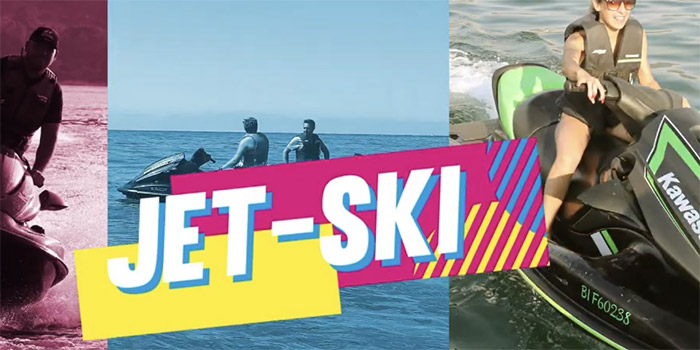
At the entrance to the Cap, the Gulf of Saint-Florent has an ideal profile for towed board sports: a large, wide-open bay, well protected from the prevailing winds by the relief of the Nebbio, with generally calm water. The Roya beach, nearly three kilometers long, perfectly illustrates this sheltered character. In terms of sailing conditions, it is undoubtedly the most interesting area in the region for this type of activity.
A spectacular Cape Corse coast, but more technical for towed board sports
Beyond the Gulf of Saint-Florent, Cap Corse forms a narrow, mountainous peninsula where the D80 road winds between steep cliffs and fishing villages. The coves there are often more exposed to wind and current than in a closed gulf, a profile that requires more experience and good local knowledge of the day's conditions.
Bastia, a practical base for exploring the area
With its old port, citadel and international airport, Bastia remains a practical logistical base for organising a stay in the north of the island. The town is well suited to an evening stroll along the quays or through the Terra Vecchia district, complementing days spent on the water around Saint-Florent or in the Cap.
The wind around Cap Corse: tramontane and libecciu
Cap Corse is exposed both to the tramontane, which blows from the north-west and can strengthen rapidly at the tip of the Cap, and to the libecciu on its western flank. The Gulf of Saint-Florent, better protected by the relief of the Nebbio, is generally less affected, which explains why this area remains the most stable in the region for water activities requiring calm water.
Exploring Cap Corse differently: villages and the customs officers' trail
Cap Corse is also wonderfully discovered on foot and from village to village. Erbalunga, an old fishing village nicknamed "the pearl of the Cap", can be explored along its cobbled streets and small port. Further north, Nonza overlooks its famous black pebble beach from its rocky outcrop. At the tip of the Cap, the port of Macinaggio marks the start of the customs officers' trail, which follows the coast to Barcaggio beach and its nature reserve. To organise these stops, our 3-day itinerary in Cap Corse sets out a complete route.
Combining your stay with the Balagne
If you want to visit more spots during your stay, the Balagne remains a reasonable distance from Bastia: allow around 1h30 by road via the D81, a route that also passes through the Teghime pass and the Patrimonio vineyards. It's perfectly doable in a day if you set off early.
Other water activities in the area
The Bastia / Cap Corse area is rich in complementary water activities. The seabed around the Cap is renowned among diving enthusiasts, with several wrecks and protected reefs. Sea kayaking allows you to explore coves inaccessible by road, while paddleboarding is well suited to the calm waters of the Gulf of Saint-Florent. To prepare your stay in this part of the island, this guide to Saint-Florent and this selection of seaside campsites in Bastia will give you a good starting point.