Art in Bastia and Cap Corse
Discover art venues in the Bastia / Cap Corse area!
Art Activities in Haute-Corse: Bastia / Cap Corse area
Between Corsica’s economic capital and the very tip of the Cap, this area brings together one of the richest artistic heritages in Haute-Corse. On one side, Bastia and its Terra Nova citadel reveal seven centuries of Genoese architecture and a museum housed in a former governors’ palace. On the other, the villages of Cap Corse, starting with Erbalunga, have attracted generations of painters and photographers drawn to the light and the colourful seafront facades. Enough to build a whole day around art, without ever straying far from the sea.
Our selection of art venues for Bastia / Cap Corse
Unfortunately no activities were found. Find more activities below!
Artistic Activity
Other activities
Art in Corsica
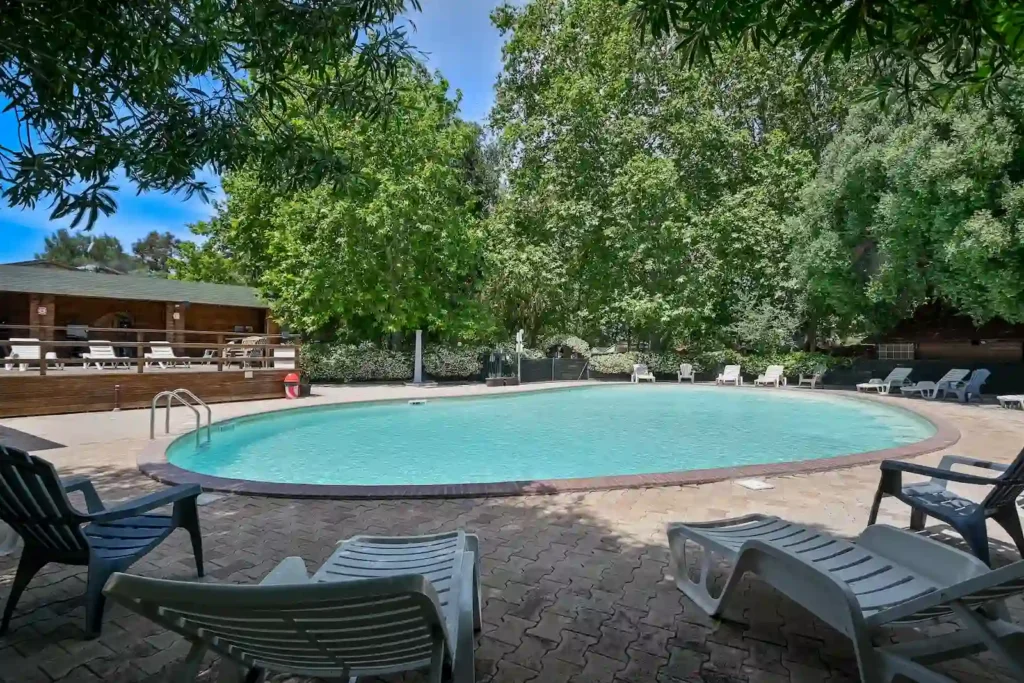
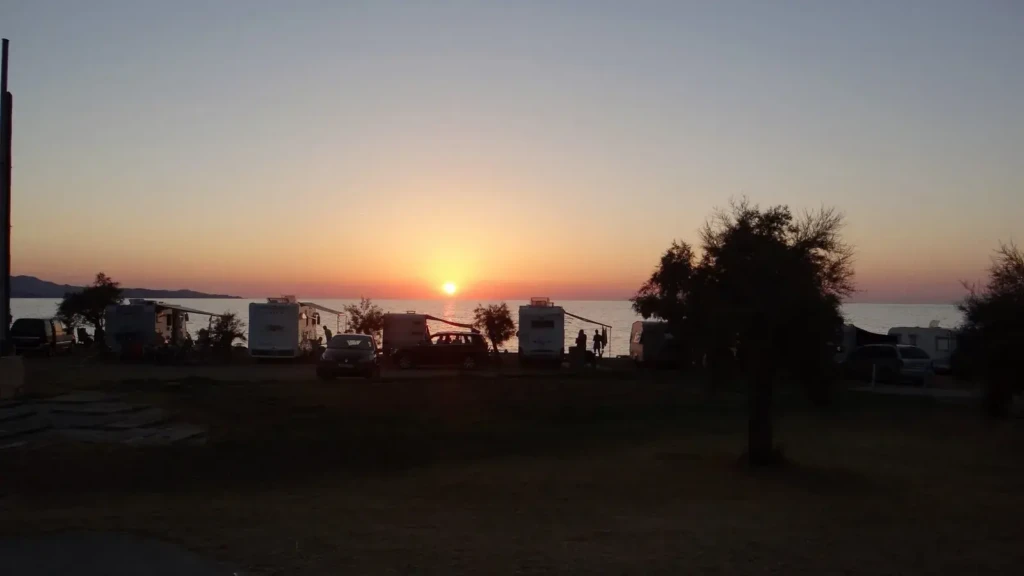
The best campsites near Bastia and Cap Corse
Bastia, a historic capital with a focus on art
The citadel of Bastia, founded at the end of the 14th century by the Genoese governor Leonello Lomellini, is organised around the Terra Nova district, enlarged from 1475. Its heart, the palace of the Genoese Governors, built from 1448, once served as a residence and court of justice; today it houses the Bastia Museum, whose collections blend local history and fine arts over seven centuries, with a collection of Italian paintings from Cardinal Fesch's collection.
Not far away, the cathedral of Sainte-Marie-de-l'Assomption, begun in 1604, preserves three richly decorated naves and an Assumption of the Virgin painted in 1512, considered the oldest painting kept in the city. The church of Sainte-Croix, founded in the early 15th century, houses the black Christ known as the "Most Holy Crucifix of Miracles", discovered at sea in 1428 and still venerated today: an example of sacred art rare enough to be pointed out to visitors curious about religious heritage.
The Terra Nova district, where most of this heritage is concentrated, is best explored slowly, between ramparts, terraced gardens offering an open view over the Old Port and ochre facades typical of Genoese architecture. Below, the Old Port itself, with its colourful buildings clustered around the basin, completes this very picturesque atmosphere that has long been Bastia's reputation among passing artists.
Erbalunga and Nonza, the villages that attracted painters
About ten kilometres north of Bastia, the small port of Erbalunga earned the nickname "painters' nest" in the 1960s. Its colourful facades, its Genoese tower dominating the peninsula and its fishing-village atmosphere continue to attract painters, photographers and writers. Every summer since 1989, the village has also hosted a music festival bringing together renowned artists in a heritage setting rarely equalled on the coast. Nearby, the sanctuary of Notre-Dame-des-Neiges preserves ancient frescoes, a discreet but real complement to the village's artistic dimension.
Further north, on the west coast of Cap Corse, Nonza plays a different card: perched on a rocky outcrop, dominated by its Genoese tower and its long beach of black pebbles, the village forms one of the most photographed images of Corsica. The church of Sainte-Julie with its baroque facade and the striking contrast between the light stone of the village and the black pebbles below explain why this viewpoint so often appears in postcards and travel journals devoted to Cap Corse.
More broadly, it is the entire landscape of Cap Corse that has nourished this artistic vein: a narrow strip of maquis squeezed between sea and mountain, where each hamlet seems clinging to the slope, offers changing viewpoints depending on the time and season, a favoured playground for those who love to watch the light evolve on the water.
- Erbalunga, the painters' nest and its small port
- Nonza, the perched village and its black pebble beach
- The other villages of Cap Corse, to discover along the coastal road
To extend your stay in this atmosphere, the guide where to stay in Cap Corse details accommodation options around these emblematic villages, according to budget and season.
Living traditions: Corsican music, crafts and know-how
The Bastia region also maintains a strong connection with Corsican polyphonies, the traditional a cappella three-voice singing found at many cultural events in summer, including the gathering “Bastia in cantu” dedicated to this vocal practice. On a completely different note, Corsican fine crafts remain very much alive in the area: traditional cutlery with maquis wood handles (olive, beech or oak), Mediterranean red coral jewellery work, pottery, wood carving and painted music boxes are still passed down from generation to generation, often in discreet family workshops, far from the main tourist circuits. Our page dedicated to Corsican fine crafts details these skills found throughout Haute-Corse.
Visiting with family
The citadel of Bastia and the village of Erbalunga are easy to explore on foot, even with young children: little elevation change, shaded alleys and small squares where you can take a break out of the sun. Erbalunga harbour, in particular, is well suited to a longer stop, between watching the fishing boats and a small cove to cool off. The Genoese tower of Nonza requires a little more walking, with some steps and a gently sloping path, but it pairs very well with a swim at the most beautiful beaches in the area below. Many campsites in Cap Corse are also just a few minutes from these villages, making it easy to go back and forth during the day without imposing long car journeys on the youngest.
When to go to discover the art and heritage of Cap Corse
Spring (April to June) and the shoulder season (September-October) remain the best periods: the citadel of Bastia and the alleys of Erbalunga can be visited without the heat or crowds of summer, and the low morning or evening light is particularly appreciated by photographers and amateur painters. In July-August, it is better to favour early morning visits, as the stone of the citadels quickly stores heat over the course of the day; the Erbalunga music festival, every August, is nevertheless a good reason to make allowances for the summer crowds. To organise a more complete stay in the area, our article on how to visit Cap Corse in 3 days offers a detailed itinerary, useful for balancing cultural visits and seaside stops.
Other activities to combine
A cultural day in Bastia or in Cap Corse pairs well with outdoor activities, as the area's compact geography makes it easy to combine a morning visit with an afternoon activity. The area offers in particular:
a gourmet break featuring Corsican charcuterie or honey produced by local beekeepers.
- hikes along the customs trail and in the Cap Corse hinterland;
- scuba diving over the rocky seabeds of the coast;
- via ferrata in the hills near the coast;
- flyboarding off the Bastia coast;