Art in Balagne
Discover art venues in the Balagne region!
Art in Haute-Corse: Balagne area
Nicknamed the “garden of Corsica” for its olive groves and hilltop villages between sea and mountains, Balagne also offers one of the island’s most unique artistic experiences: an entire village rebuilt by artisan craftspeople. Around this exceptional case, the whole area from Calvi to Île-Rousse features fortified towns, listed villages and craft traditions that make Balagne a cultural destination in its own right, far from being limited to its beaches. The proximity between these villages, all reachable in less than half an hour’s drive from each other, makes it easy to plan a full day dedicated to heritage without multiplying journeys.
Our selection of art venues in Balagne
Unfortunately no activities were found. Find more activities below!
Artistic Activity
Other activities
Art in Corsica
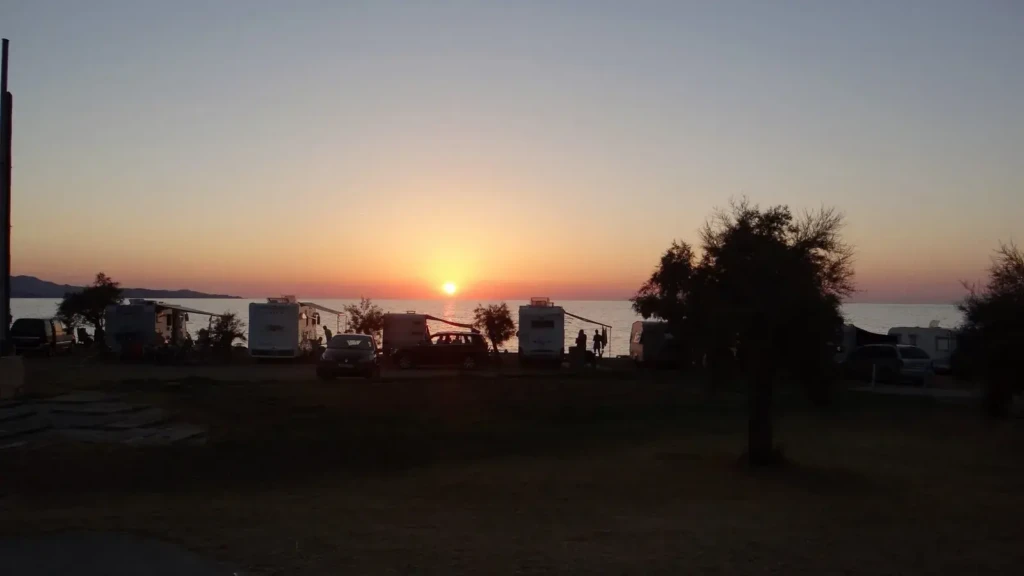
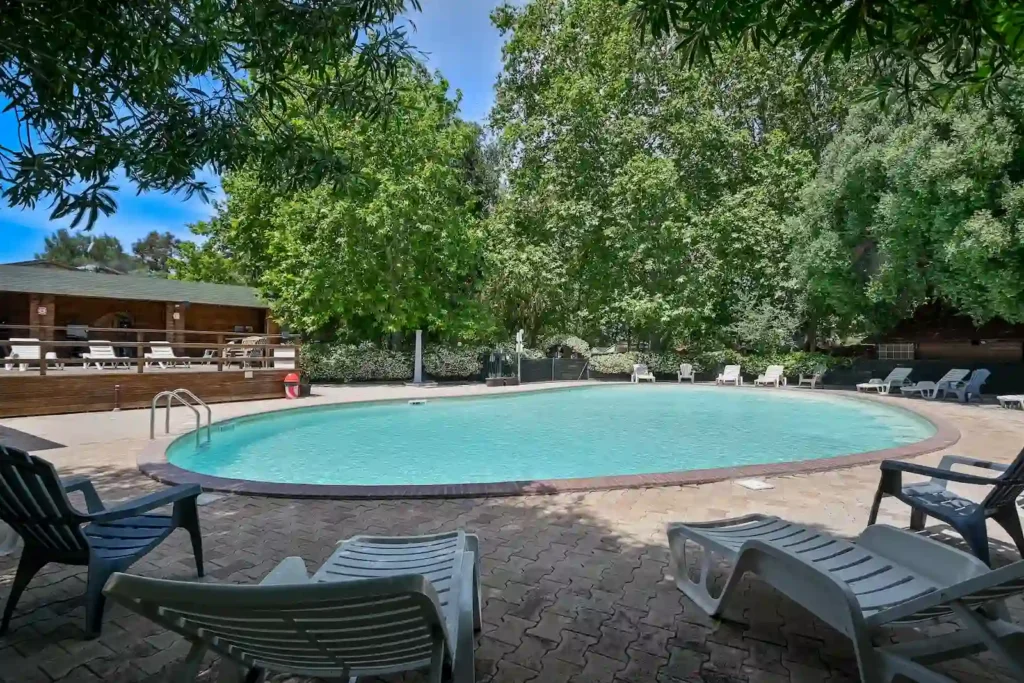
The best nearby campsites in Balagne

Pigna, the village of artisan craftspeople that turned its fate around
Perched in inland Balagne, Pigna was destined for abandonment like many Corsican mountain villages until a handful of artisan craftspeople decided, in the 1960s-70s, to buy back and restore its ruined houses. Potters, luthiers, makers of barrel organs and music boxes settled there, gradually transforming the village into a place where the transmission of know-how became the very driving force of local life. Today the village is home to a musical creation centre where the tradition of Corsican polyphonic singing is kept alive, and no other village in Haute-Corse has experienced a renaissance so directly driven by art.
What strikes you in Pigna is the coherence of the whole: carefully restored stone houses, car-free cobbled lanes and workshops open to the street create a setting where craftsmanship is not merely visited, it is observed as it happens. The village is now considered one of the most accomplished examples of rural renaissance through culture in Corsica, often cited as a reference for other mountain village revitalisation projects.
Hilltop villages and architectural heritage of Balagne
Around Pigna, several villages complete this heritage landscape. Sant'Antonino, a 9th-century medieval village listed among the most beautiful villages in France, unfolds its cobbled granite lanes and its 360° view over the whole of Balagne, from the sea to the inland peaks. Corbara, one of the oldest villages in the area, preserves a notable religious heritage with its convent, chapels and a collegiate church adorned with a work by the painter Pietro Sicuri. In Montemaggiore, the 18th-century Baroque church of Saint-Augustin bears witness to the same architectural vein, in a village marked by the local olive-growing tradition, celebrated each year at a fair dedicated to the olive tree.
These villages share a local granite stone architecture, narrow lanes designed to protect against sun and wind, and a hilltop location that once met defence needs against incursions from the sea. This urban layout, which has remained almost intact, explains why Balagne is now considered one of the best-preserved regions of Corsica architecturally.
- Sant'Antonino, one of the most beautiful villages in France perched in Balagne
- Corbara and its religious heritage
- Montemaggiore, Baroque church and olive-growing tradition
- Calvi and its 15th-16th century Genoese citadel
The citadel of Calvi, a Genoese fortress standing on a rocky promontory, completes this architectural overview with its old-town lanes and its Saint-Jean-Baptiste cathedral. The Calvi, jewel of Balagne feature looks in more detail at this architectural heritage and the rural and artisanal legacy of the area.
Polyphonies and artisan crafts: living traditions
Corsican polyphonic singing, a traditional three-voice vocal practice, has one of its active centres in Balagne thanks to the musical creation centre in Pigna, where this vocal art is still passed on to new generations of singers. The same spirit of transmission is found in local artisan crafts, between pottery, lutherie, engraving and the making of barrel organs and painted music boxes, which has earned the area its reputation well beyond Corsica. The objects made in Pigna, often from local wood and hand-decorated, illustrate this continuity between utilitarian craft and a work of art in its own right, with no two pieces from one workshop to another ever quite alike.
When to go to discover the art and heritage of Balagne
Spring, when the olive groves are in bloom and temperatures remain mild for wandering through the steep alleys of the hilltop villages, is the best period. Autumn is also very pleasant, with particularly photogenic light on the facades of Pigna and Sant'Antonino, and significantly lower visitor numbers than in July-August. In the height of summer, it is better to visit the citadel of Calvi early in the morning or at the end of the day to avoid the heat stored by the stone, and to reserve the hottest hours for a break by the sea near Calvi or Île-Rousse.
Visiting with family
Pigna and Sant'Antonino can be visited on foot without any particular difficulty, although the sloping alleys require suitable shoes for younger children. Children generally enjoy seeing artisans at work in their open workshops, a concrete way to make the visit lively rather than purely contemplative. After the visit, Bodri beach in Corbara offers a great family swimming option right next to the villages visited. Many campsites in the Calvi area make it easy to reach all these sites in less than half an hour's drive, without imposing long journeys on the youngest after a day of visits.
Other activities to combine
Balagne lends itself particularly well to combining a cultural visit with an outdoor activity, as the diversity of the area's landscapes (sea, olive-covered hills, mountain forest) allows you to vary your pleasures during the same stay. The area offers in particular:
- hikes in the hinterland, between hilltop villages and the Bonifatu forest;
- canyoning in the Figarella gorges;
- kayaking along the coast between Calvi and Île-Rousse;
- scuba diving in the waters of the bay of Calvi;
- via ferrata around Monte Grosso, in the Balagne hinterland.